

Hmong New Year 2025 in Ha Giang: Dates, Traditions & Festival Guide for Loop Travellers
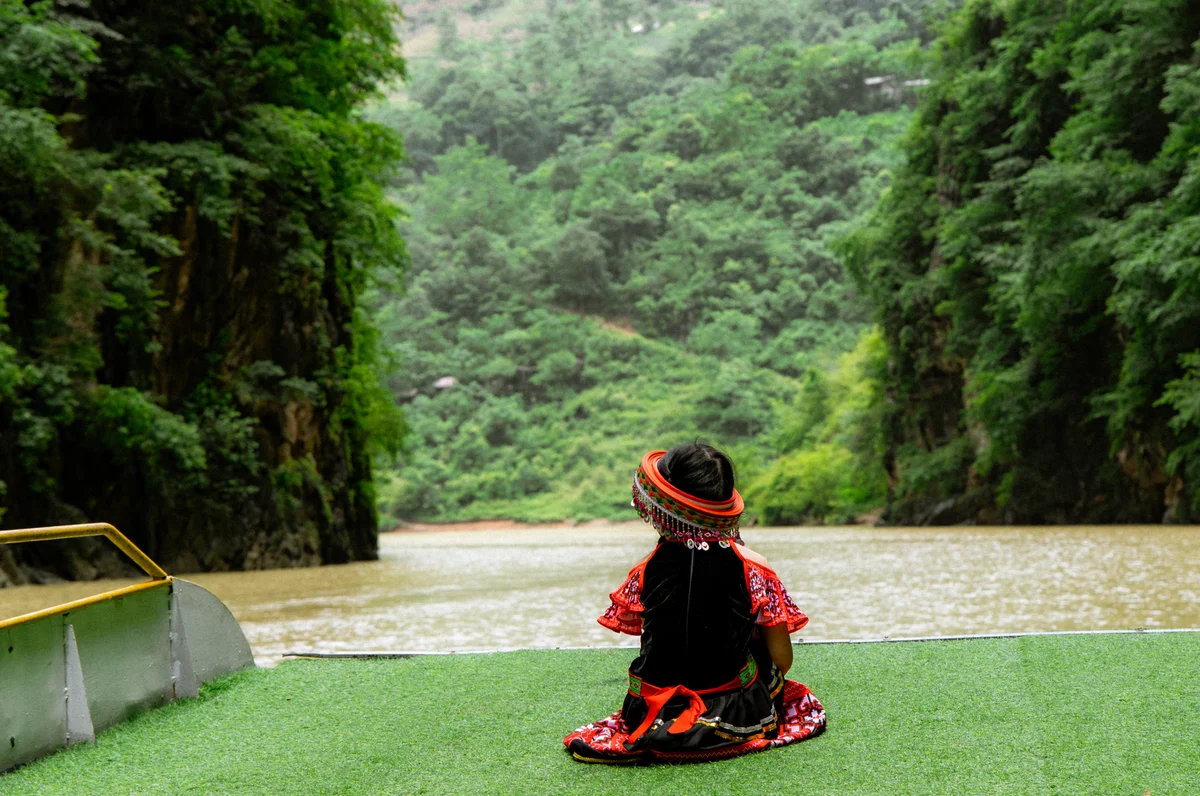
Planning to ride the Ha Giang Loop in late 2025? One of the best times to visit is during Hmong New Year 2025, a cultural festival that takes place across northern Vietnam from late November to early December.
As you cruise through the mountains, you’ll notice the valleys suddenly erupt into colour, music, and celebration—this is Noj Peb Caug, the most important traditional festival of the Hmong people.
Hmong New Year transforms Ha Giang’s villages into lively cultural gatherings filled with rituals, games, traditional clothing, and unforgettable hospitality. It’s one of the most unique festivals you can experience while travelling the Ha Giang Loop.
Before diving into how you can experience Hmong New Year 2025, let’s look at the origins of this celebration and why it still matters today.
Who Are the Hmong People?
The Hmong, living high in the mountains of northern Vietnam—in places like Sapa, Mu Cang Chai, Son La, Lai Chau, and, of course, Ha Giang, are one of Vietnam’s 54 officially recognized ethnic groups.
Their steep terraced farms, intricate embroidery, and high-energy festivals are as much a part of the landscape as the limestone peaks themselves.
The Hmong didn’t start here, though. Historically, they trace their roots back to southern China, where they lived for centuries before migrating southward into Laos, Thailand, and Vietnam.
Political unrest, persecution, and centuries of resistance to Chinese imperial rule pushed them to seek refuge in Southeast Asia’s rugged highlands—remote enough to protect their autonomy and way of life.
That journey wasn’t easy. Hmong history is marked by perseverance, resilience, and reinvention. From fighting colonial forces to being caught up in the Secret War during the Vietnam conflict, their story is one of survival against staggering odds.
Yet through it all, the Hmong have kept their culture remarkably intact—language, dress, rituals, and festivals like Noj Peb Caug still thrive.
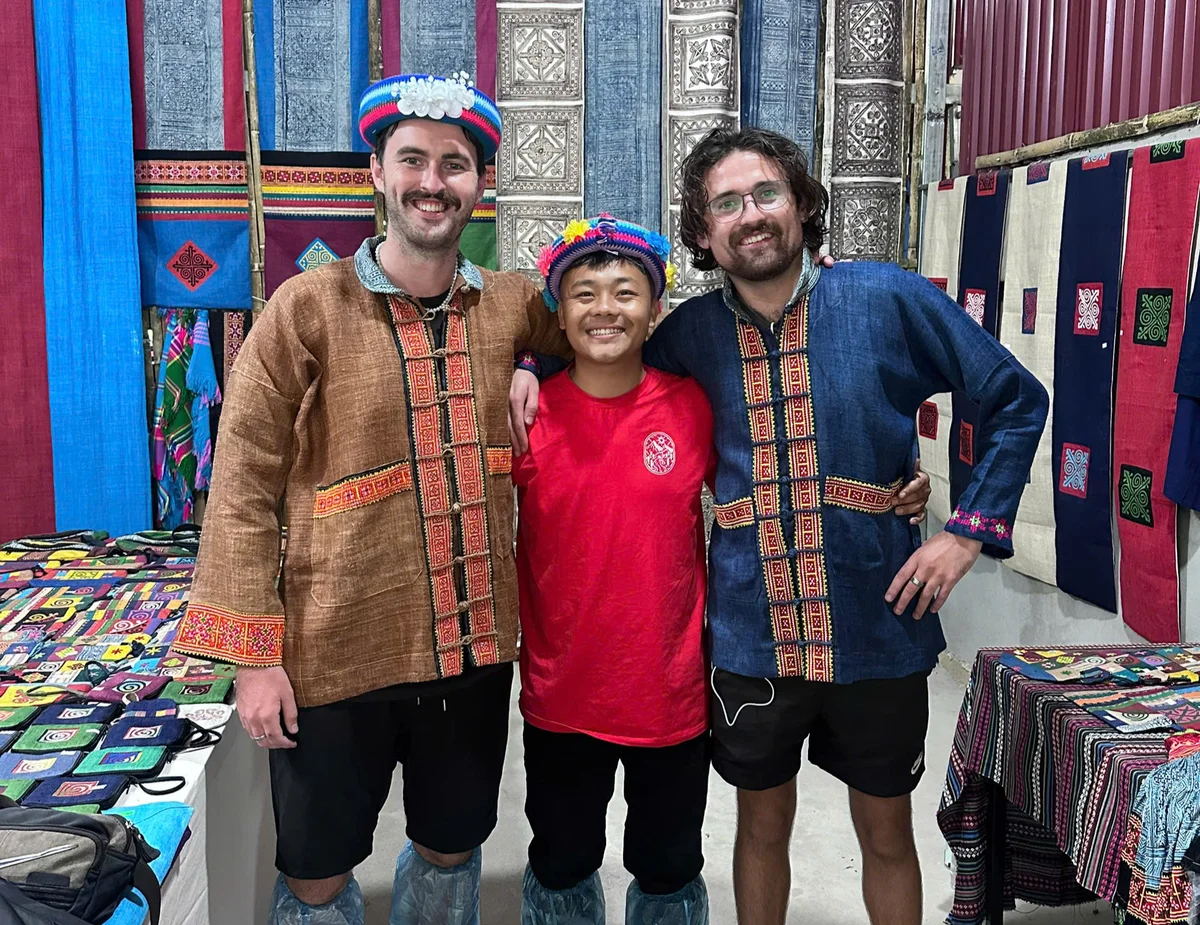
One of our original Bong Hostel Leaders 'Cho' is always proud to Teach Guests about his Hmong Heritage
What Is Hmong New Year? Meaning, Origins & Traditions
A Festival Born from the Harvest
The Hmong New Year, known as Noj Peb Caug—literally “Eat Thirty”—marks the completion of the harvest season.
While some say the name refers to feasting across three days with ten dishes each, others link it to the 30th day of the twelfth lunar month when celebrations begin.
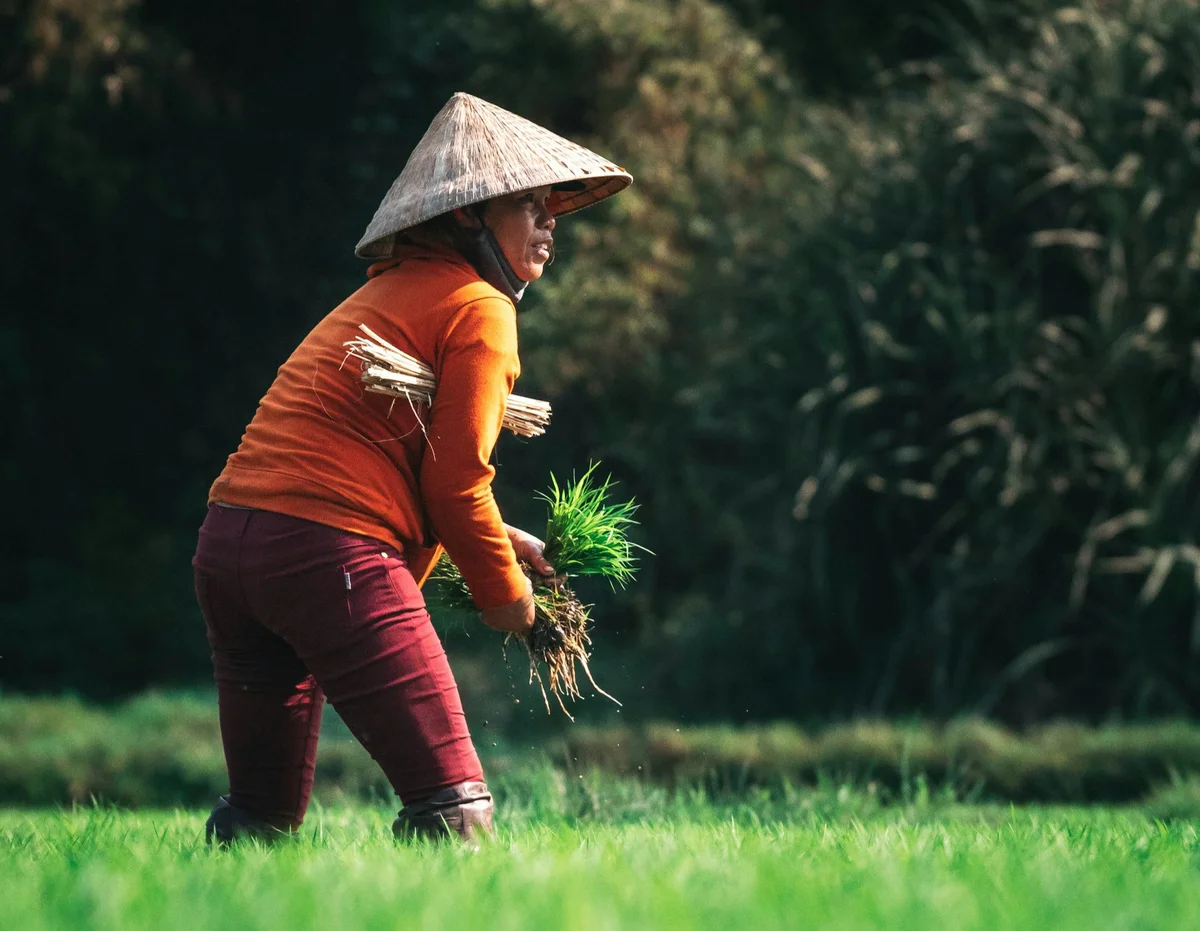
Regardless of the interpretation, the meaning remains the same: abundance, gratitude, and community after a year of hard work in the fields.
Related article: The Best Rice Terraces to See in North Vietnam During Harvest Season (2025 Edition).
Cleansing and Renewal: Preparing for a Fresh Start
The days before Noj Peb Caug are dedicated to cleansing and spiritual reset.
Homes are swept, scrubbed, and decluttered to drive out bad luck and make space for good fortune in the new year. Elders even make a special bamboo broom tied with green, red, and yellow strings to conduct this task.
Broken tools and old decorations are discarded, symbolising the release of misfortune. And even livestock receive blessings through small protective rituals.
Families who practise traditional Hmong shamanism may invite a txiv neeb (shaman) to conduct ceremonies that use incense, chants, and symbolic offerings to reconnect the human and spiritual worlds.
One of the most important rituals is Hu Plig—the “soul-calling” ceremony.
The Hmong believe each person has multiple souls, and if one wanders away because of illness, stress, or misfortune, the person becomes imbalanced.
Before the new year begins, families gather to call their wandering souls home, restoring harmony, strength, and spiritual wholeness.
Honouring the Ancestors
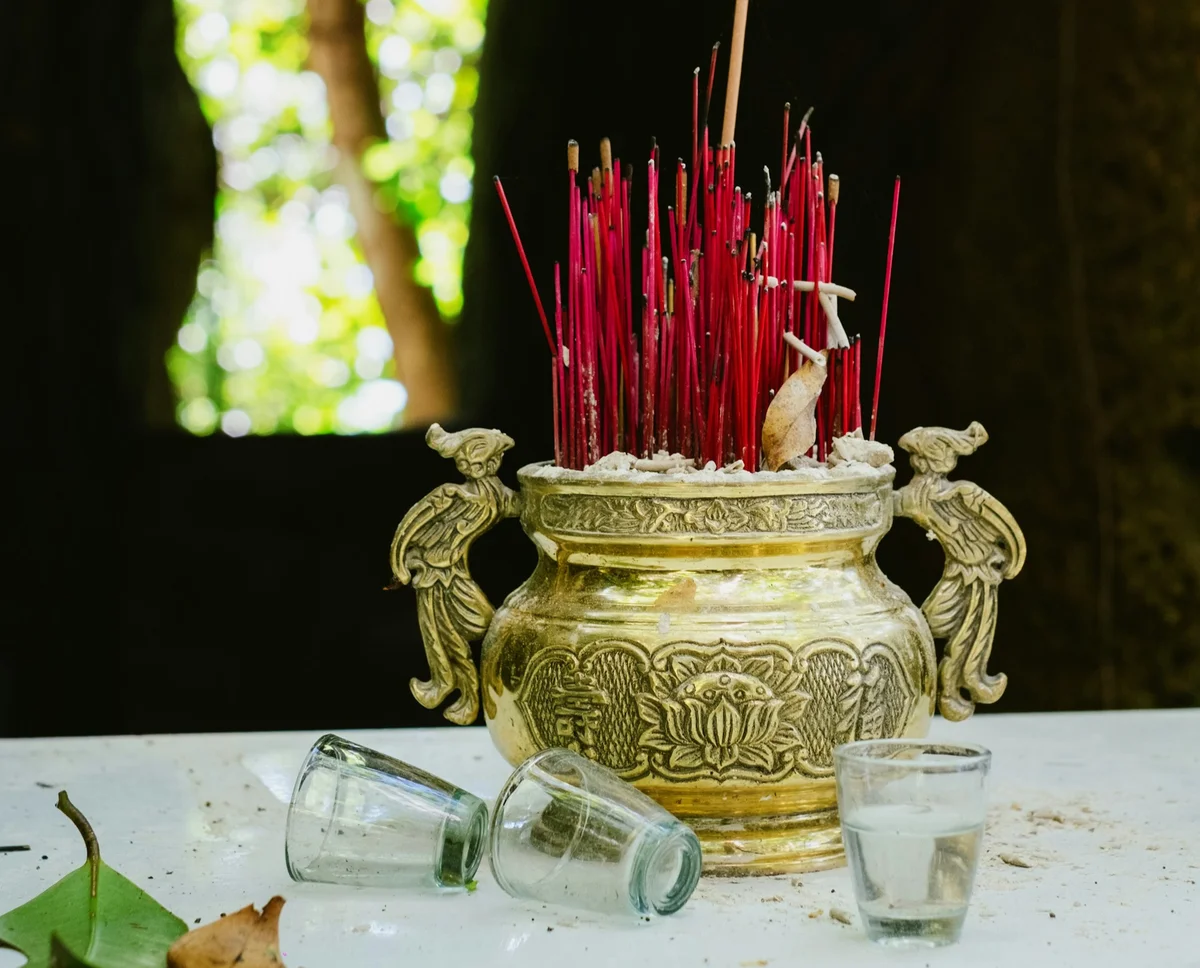
Ancestral reverence is central to Hmong culture. During Noj Peb Caug, household altars are cleaned and refreshed with white paper, incense, symbolic chicken feathers, and fresh food offerings.
Families kneel, bow, and offer prayers of gratitude, asking for protection, good health, and favourable weather in the coming year.
Before any feasting begins, households prepare trays of rice, meat, tea, and homemade rice wine as offerings to ancestral spirits and household guardians.
Each offering carries meaning:
Chicken: Protection and vitality.
Rice: Sustenance and prosperity.
Rice wine: Unity, joy, and celebration.
Only after the ancestors are served do the living begin to eat—a gesture that reflects deep respect for the past and the belief that blessings flow from earlier generations.
Honouring Tools and Animals
In Hmong tradition, respect extends beyond people.
During the festival, families also decorate their tools, ploughs, and livestock shelters with bright yellow or red papers.
These are small acts of gratitude—thank-yous to the items and animals that help them survive throughout the year.
For three days, no work tools are touched. The hoes, knives, and ploughs get their own mini vacation.
Ten days later, they’re ceremoniously used again refreshed, respected, and ready for another year of hard work.
From Sacred Rituals to Community Celebration
Once household ceremonies are complete, the festival shifts from solemn tradition to lively celebration.
Villages fill with music, dancing, and colourful embroidered clothing as people of all ages gather to socialise.
For young people, this period is especially significant. The Hmong New Year is one of the rare times when boys and girls from different villages can meet freely—and often find future partners.
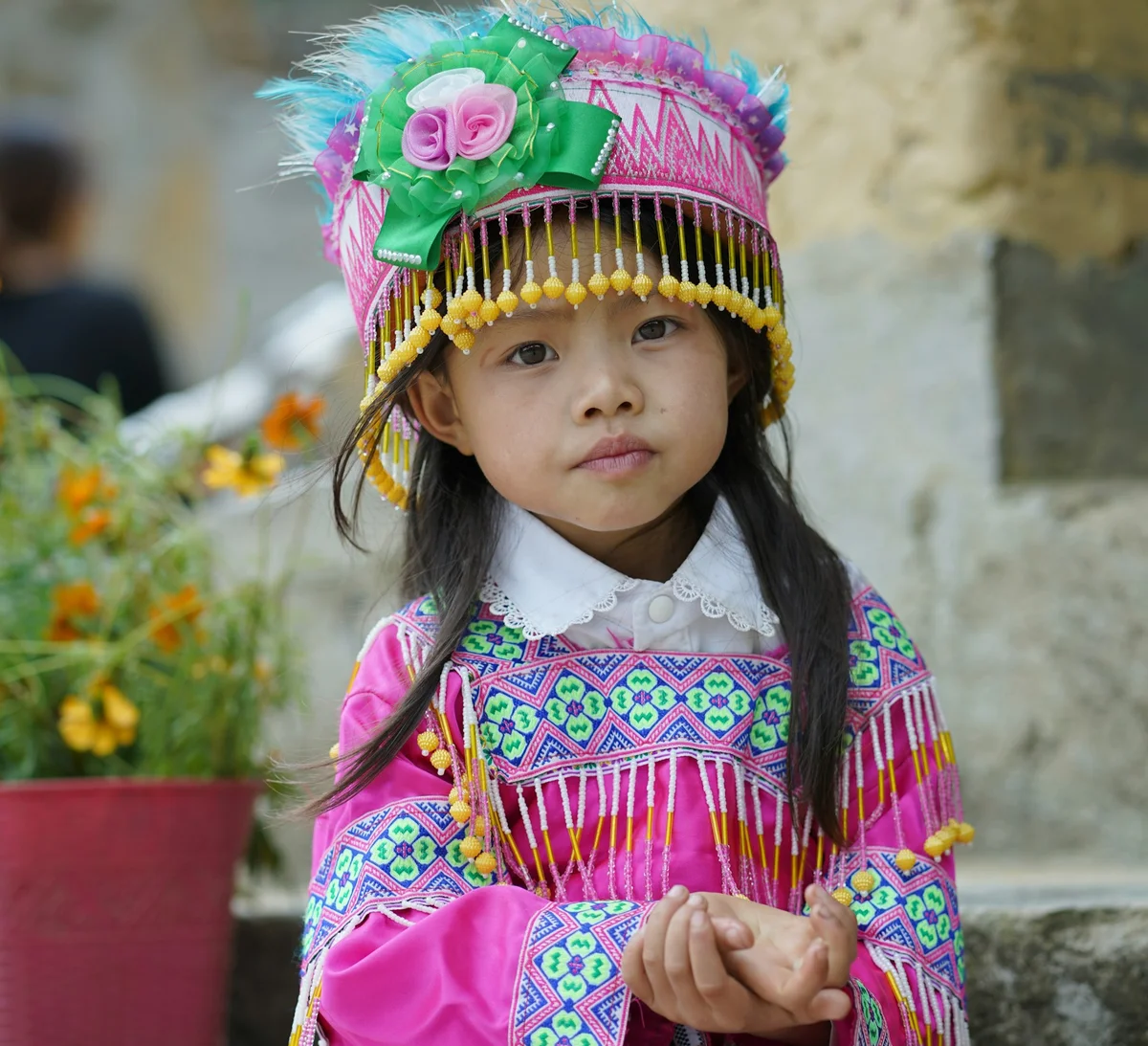
Hmong New Year is a time for the younger generation to learn more about their language, history, and culture
Clothing Worn at the Hmong New Year Festival
Forget Paris. Forget Milan. During Hmong New Year 2025, the true runway runs through the valleys of Ha Giang.
Traditional Hmong Clothing
Every Hmong New Year, people bring out their best handmade traditional outfits, many of which have been months in the making.
Women wear pleated hemp skirts dyed with indigo and decorated with bright embroidery and batik wax patterns. Their tops shimmer with silver coins and beads, each one representing good fortune.
Men don colourful jackets with bold trims and sashes, their outfits equally steeped in meaning and craftsmanship.
Every stitch tells a story. The Hmong call their embroidery paj ntaub (pronounced “pa dow”), meaning “flower cloth.”
Each pattern symbolises something—fertility, protection, harmony, or family lineage. The colours are chosen with care too: pinks and greens for vitality, blues for peace, silver for wealth, and red for good luck.
What Should Tourists Wear?
If you’re planning to join the festival, dress respectfully. That means clean, modest clothing—shoulders and knees covered, no revealing outfits.
Related article: What Not to Wear on the Ha Giang Loop | Responsible Travel Guide.
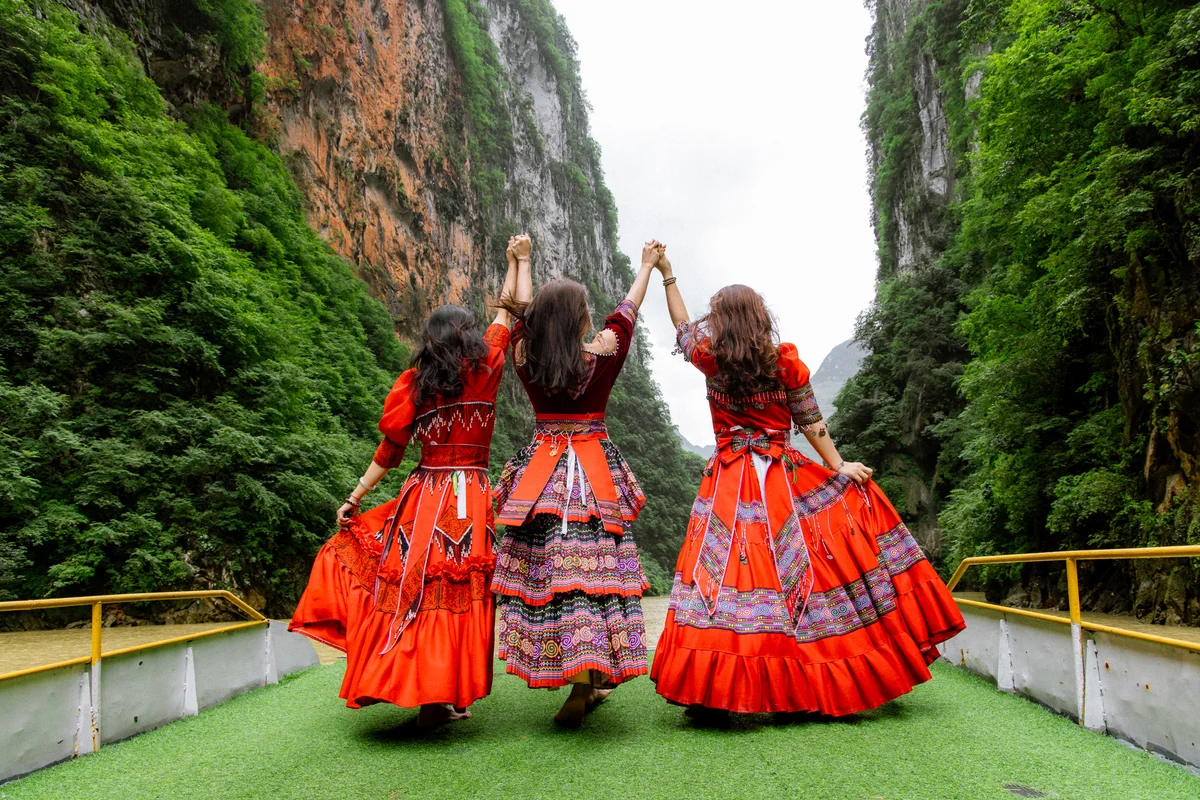
The Beauty of Hmong Traditional Clothing | ⓒ Claire Thomas
Hmong New Year Games, Songs & Cultural Activities
Once the rituals are done, the villages come alive. The air fills with music, laughter, and the delicious smell of grilled pork and sticky rice.
Pov Pob: The Hmong “Meet-Cute” Game
One of the most iconic sights of the Hmong New Year is the pov pob, or “ball-tossing” game. Picture two lines of young men and women tossing a soft fabric ball back and forth, singing and laughing as they do.
It might look like a game, but it’s actually a subtle matchmaking ritual. Dropping the ball isn’t a bad thing either—it just means you owe the other person a song or small gift.
Many Hmong marriages begin with a single well-aimed throw.
Traditional Music
Music pulses through every part of the celebration. Men often play the khen, a bamboo reed instrument that produces deep, soulful tones.
Others bring out flutes, drums, or simply sing—songs of love, work, and the beauty of the highlands.
It’s spontaneous and communal. One moment you’re watching a khen performance; the next, you’re being pulled into a circle of dancers, your steps (and wine intake) getting more confident as the night goes on.
Traditional Games and Sports
The festival also features stick-pushing, top spinning, and tug-of-war, all of which test strength and teamwork.
These aren’t just for fun—they’re a way to show health and vitality, key traits in a culture deeply tied to the land and physical labour.
Related article: Festivals in North Vietnam 2025: A Guide on Celebrations, Culture, and Chaos.
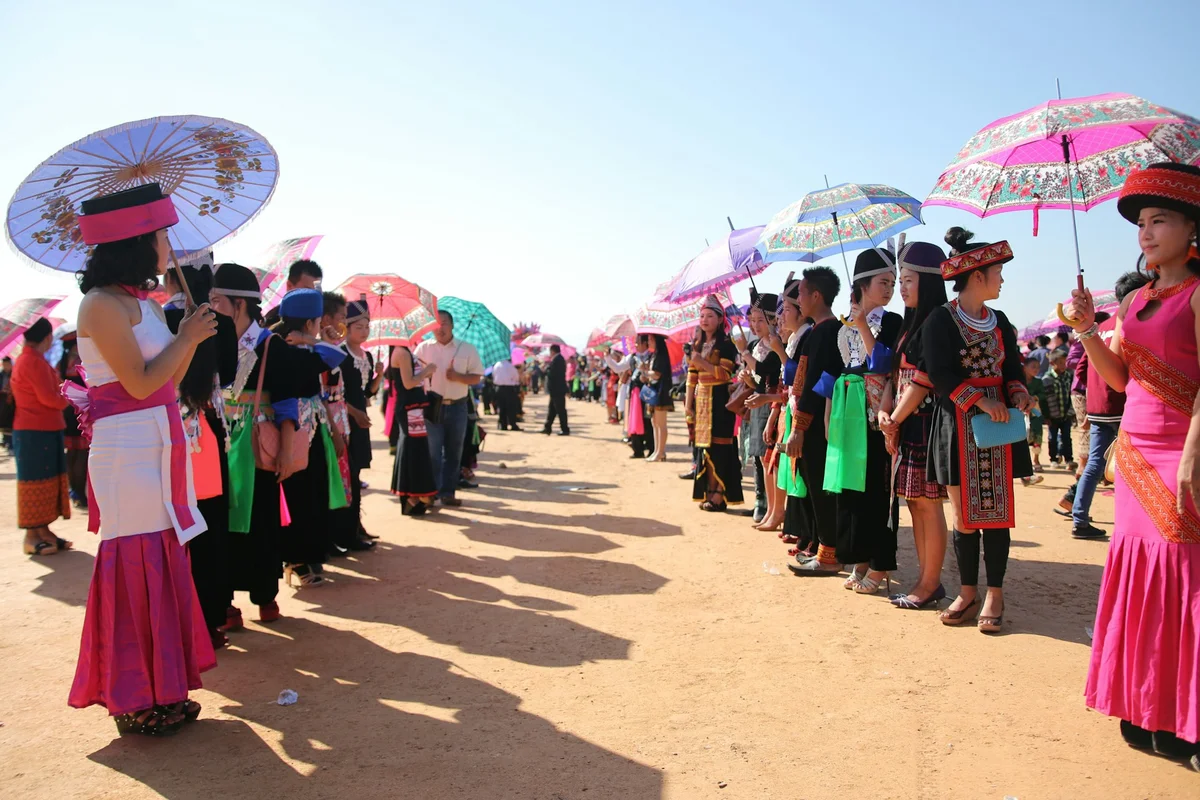
Traditional Activities during Hmong New Year
What to Eat During Hmong New Year 2025
If there’s one thing the Hmong New Year in Vietnam doesn’t skimp on, it’s food.
Bánh Giầy: The Hmong New Year Cake
The star of the feast is bánh giầy, a round sticky rice cake pounded by strong hands until it’s smooth and chewy.
While the Vietnamese bánh chưng is square to represent the earth (which was believed to be square at the time), the Hmong cake is round, symbolising the sun and moon—the eternal cycle of life.
It’s both an offering to ancestors and a treat for guests, eaten with pork, sesame, or simply on its own.
Sticky Rice, Pork, and Herbal Dishes
Sticky rice (xoi) appears in nearly every meal, paired with grilled meats, sausages, and herbal soups made from local plants.
You might also see boiled chicken, chili dips, and wild greens—simple ingredients elevated by tradition and love.
If you’re lucky, you’ll be offered a cup of homemade rice wine (rượu ngô). Be warned: it’s deceptively smooth and alarmingly strong. Sip slowly, smile often, and be ready for refills.
Related article: Food on the Ha Giang Loop: A Vegan & Allergy-Friendly Guide.
Can Tourists Join the Feast?
Absolutely. The Hmong are renowned for their hospitality. If you’re wandering through a festival and someone invites you to share a meal—accept graciously.
Sit, eat, and show genuine curiosity about the dishes. You don’t need to speak Hmong to express appreciation; a warm smile and nod go a long way.
Just remember: always wait until the host begins eating before you do (usually after an introductory shot of rice wine), and never waste food—it’s considered disrespectful.
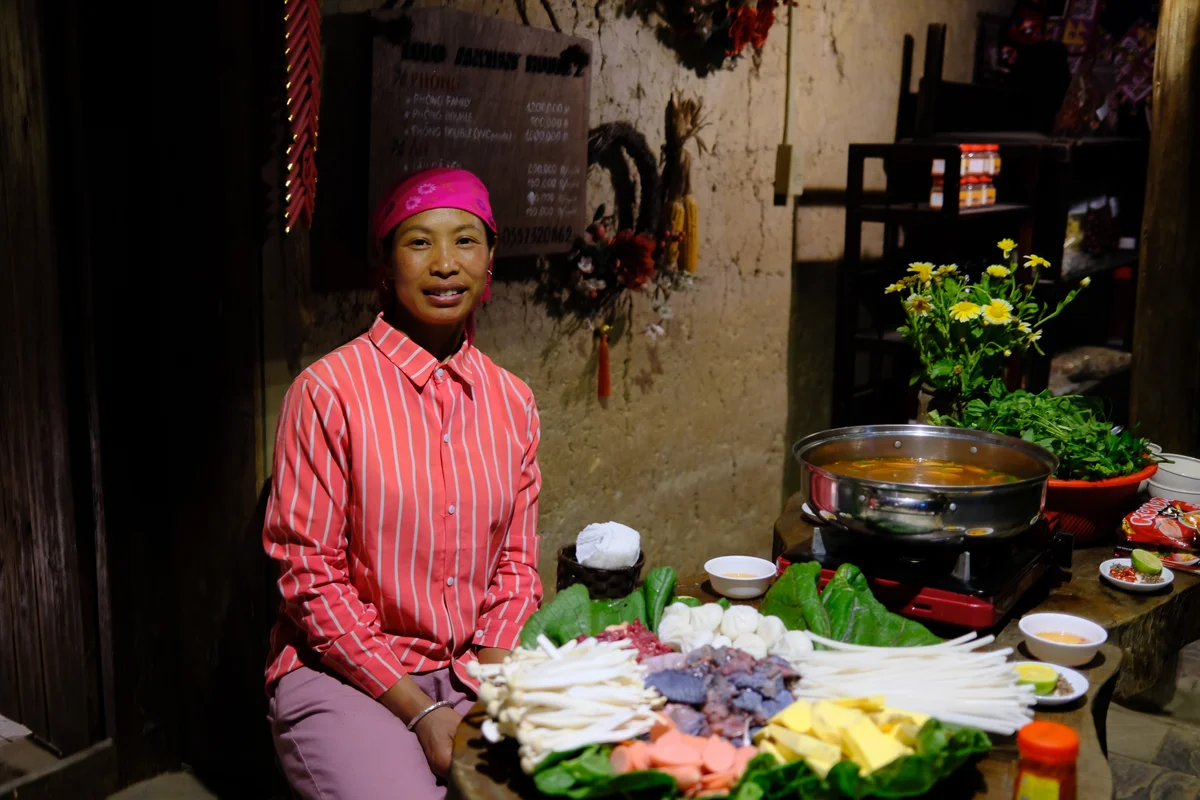
How to Experience Hmong New Year on the Ha Giang Loop (2025 Guide)
The Hmong New Year festival in Ha Giang isn’t a performance for tourists—it’s a community celebration, and joining respectfully can be one of the most meaningful parts of your Loop experience.
Below is everything you need to know to plan your trip around Noj Peb Caug in 2025.
When Is Hmong New Year 2025 in Vietnam?
While dates vary between villages and family clans, Hmong New Year in Ha Giang typically happens between:
Late November – Early December
Most celebrations begin around the 30th day of the 12th lunar month, which in 2025 falls near the end of November.
If you’re riding the Loop during this window, you will almost certainly pass through villages preparing food, playing games, or holding ceremonies.
Interesting Fact: Hmong New Year isn’t tied to the Western calendar or even the Vietnamese lunar New Year (Tet), though modern celebrations often overlap. Traditionally, the Hmong celebrated their new year one month before Tet, according to their own calendar.
Related article: When is the Best Time to Do the Ha Giang Loop? A Guide from Someone Who's Done It All Year Round.
How Long Does the Celebration Last?
The Hmong New Year celebrations can last anywhere from three days to two weeks, depending on the size of the village and how strong the local rice wine is.
Each day brings new activities: rituals in the morning, food and games in the afternoon, and music and dancing as the sun sets over the limestone peaks.
For the Hmong, these aren’t just festival days—they’re sacred time. The longer the celebration lasts, the longer families get to honour their ancestors, reconnect with distant relatives, and share their traditions with the younger generation.
And for visitors? The longer the festival, the better your chance of being invited to join the fun (and maybe a round or two of Happy Water).
Related article: 10+ Tips to Help You Stay Safe on the Ha Giang Loop.
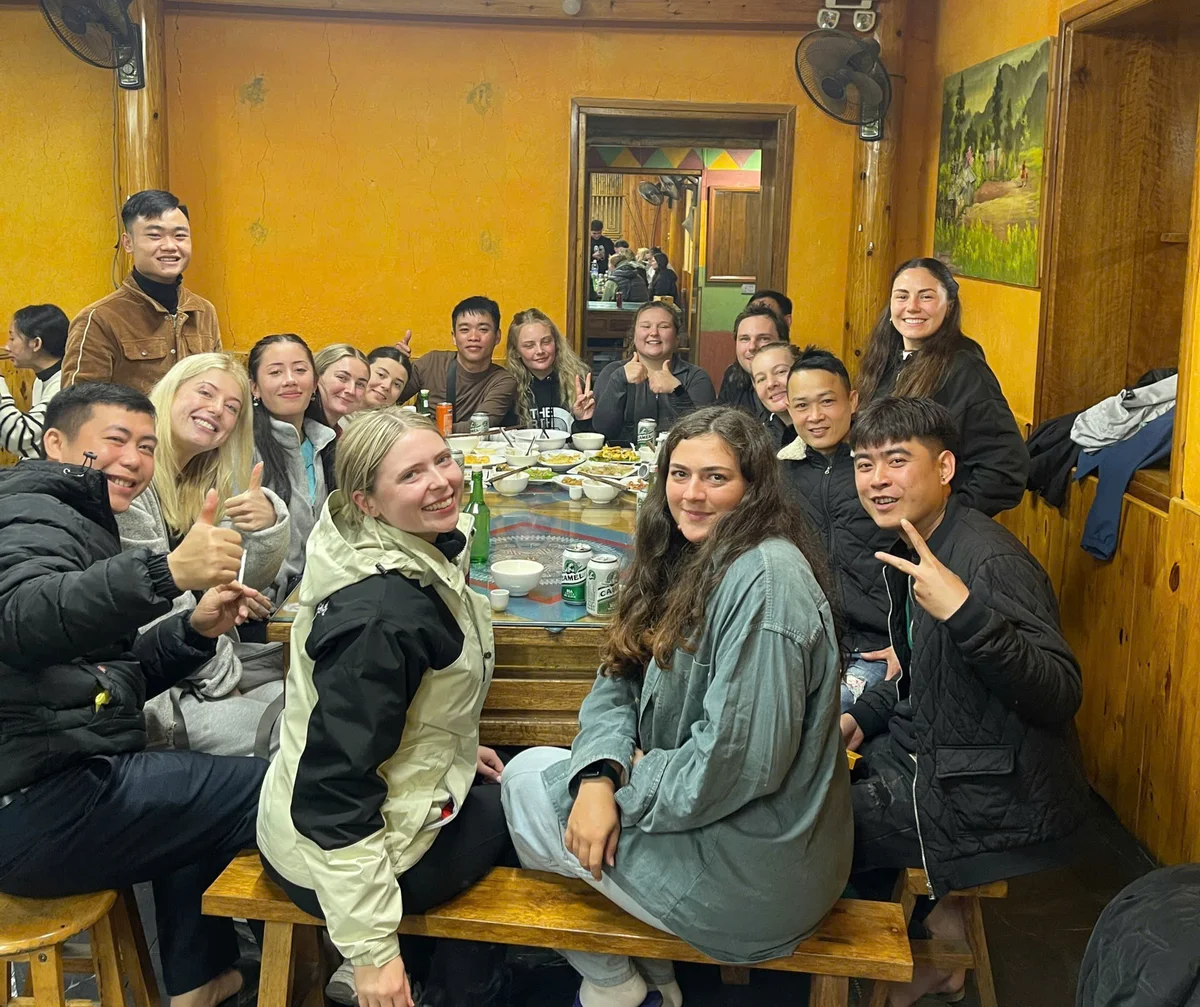
Ha Giang is the Perfect place to Celebrate Hmong New Year 2025
Best Places to Experience Hmong New Year on the Loop
Hmong communities are spread across the entire Ha Giang Loop, but some areas are especially lively during Noj Peb Caug.
These locations offer the richest combination of rituals, games, traditional clothing, and village gatherings.
1. Dong Van
The Dong Van Karst Plateau, a UNESCO Global Geopark, has many Hmong communities.
Expect:
Traditional clothing markets.
Ball-tossing (pov pob) games in the town square.
Bamboo music (khen) performances.
Community feasts.
2. Meo Vac
One of the best places to see multi-day celebrations and family gatherings.
You might encounter:
Soul-calling ceremonies.
Ancestral offerings.
Evening dance circles.
Food stalls with holiday dishes like rice cakes and grilled pork.
3. Lung Cu
Perfect for travellers wanting a quieter, more traditional setting.
Expect:
Smaller, family-based ceremonies.
Women wearing exquisite embroidered outfits.
Kids playing games around the flag tower area.
Less touristic atmosphere.
4. Sung La Valley
Known for its flowers and traditional houses, Sung La offers:
Stunning backdrops for New Year outfits.
Opportunity to visit households making rice cakes.
More intimate community interactions.
Related article: Rain or Shine: Your Guide to Ha Giang Loop Weather.
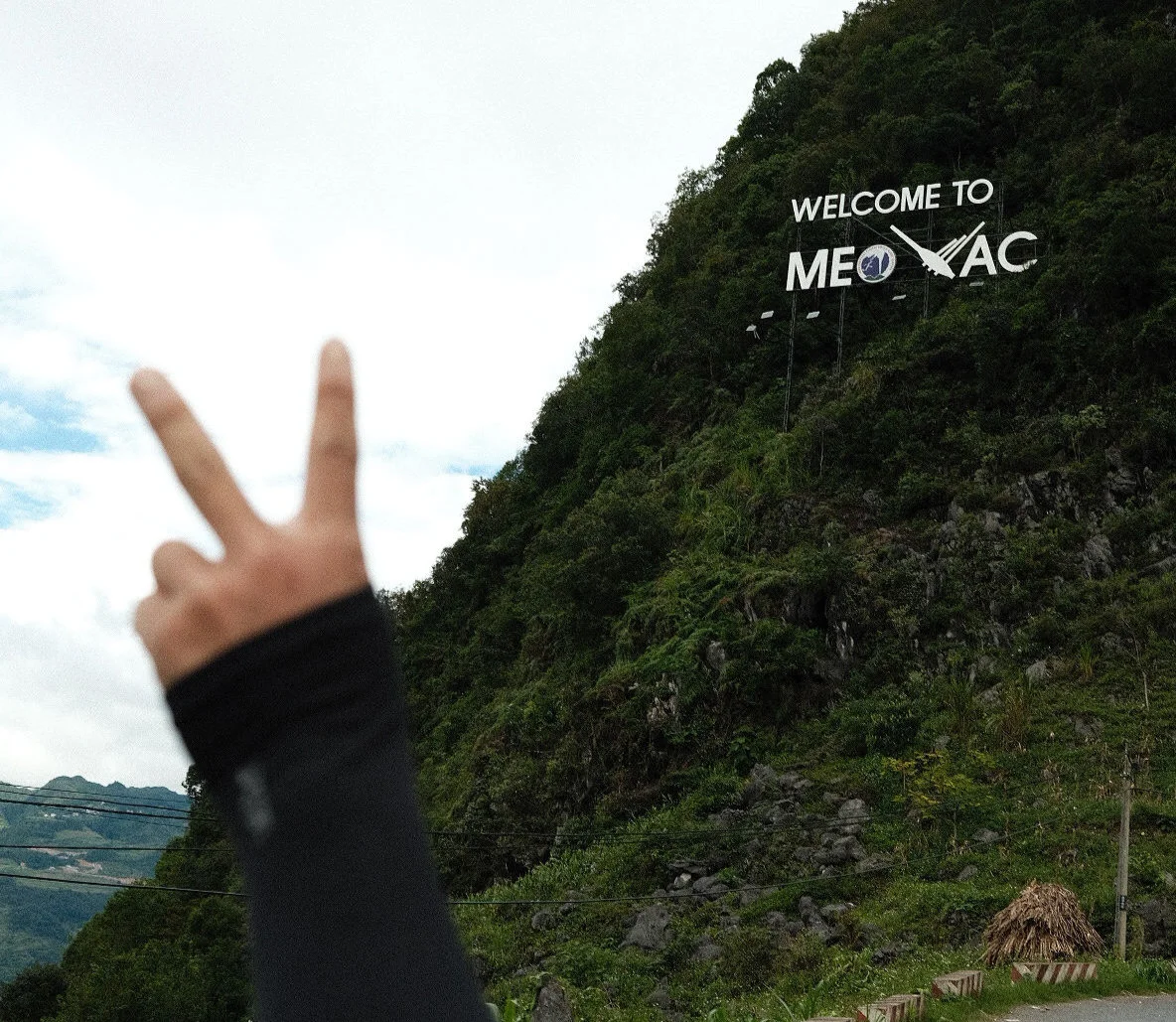
Celebrate Hmong New Year 2025 in Meo Vac with Bong Hostel
Where to Stay During Hmong New Year
Staying in the right area helps you wake up to festival life right outside your door.
Dong Van
Best for travellers who want a buzz of activity.
Easy access to markets and events.
Lots of homestays + accommodation options.
Meo Vac
Best for seeing traditional rituals.
Great for photographers wanting authentic village life.
Ha Giang City (Before or After the Loop)
Ideal for preparing your trip.
The easiest place to join a guided Loop tour.
Comfortable to rest after before and after the loop.
If you are joining the Loop with Bong Hostel, you’ll usually lunch in Dong Van and overnight in Meo Vac—perfect timing and location to cross paths with Hmong New Year celebrations.
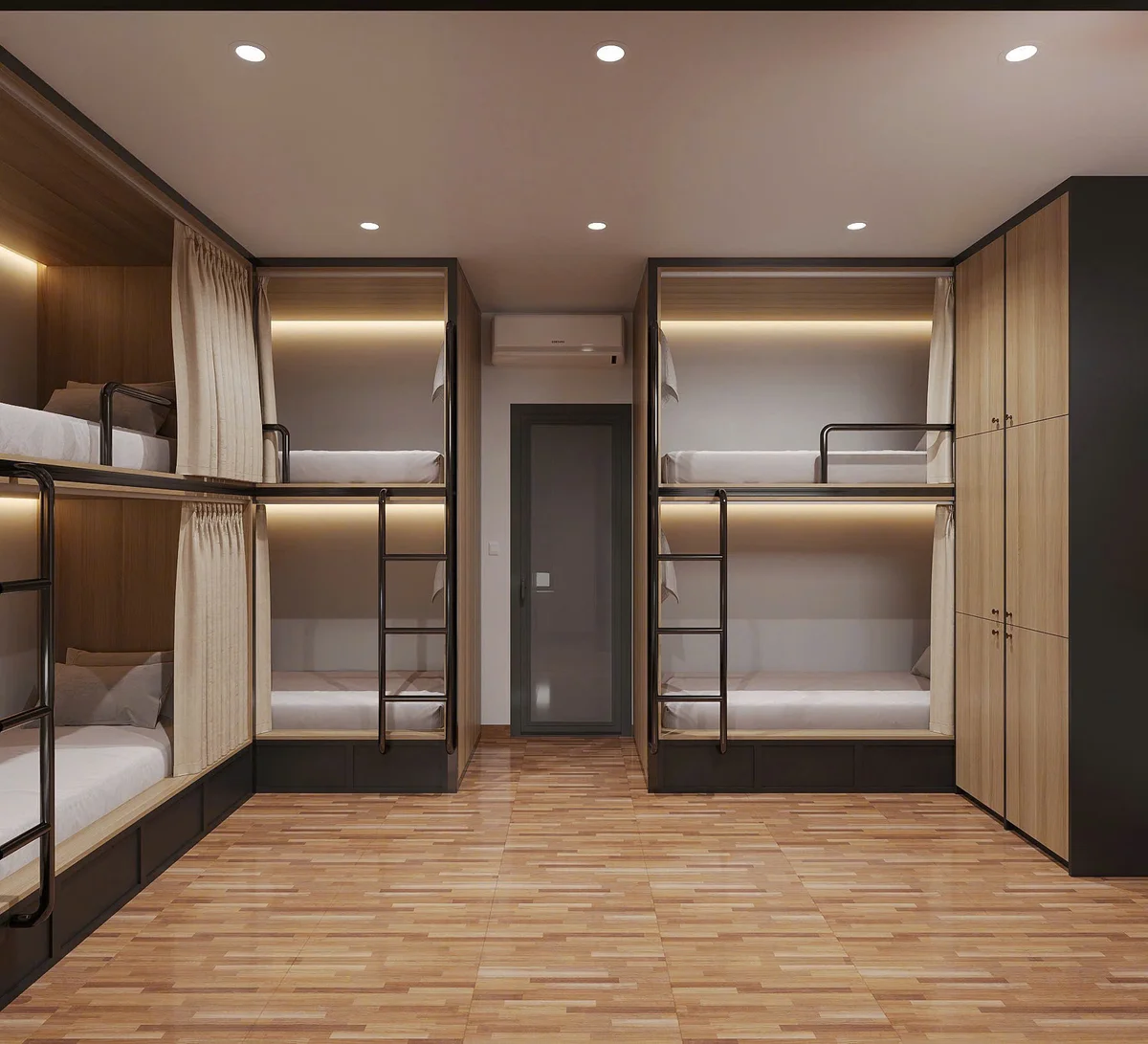
Stay at Bong Hostel Ha Giang before your Ha Giang Loop Tour
The Benefits of Going with a Guide (Especially During Festival Season)
You can absolutely join Hmong New Year independently, but going with a guide—especially an ethnic minority guide—adds enormous value.
A guide can help you:
Understand the meaning behind rituals.
Translate conversations with locals.
Introduce you to families or households.
Explain which traditions tourists can join.
Teach respectful behaviour.
Avoid unintentionally entering spaces meant only for family members or elders.
Guided tours (including Bong Hostel’s Easy Rider tours) naturally align with the festival route, since local riders know which villages are celebrating on which days.
Related article: Why You Should Get an Easy Rider for the Ha Giang Loop.
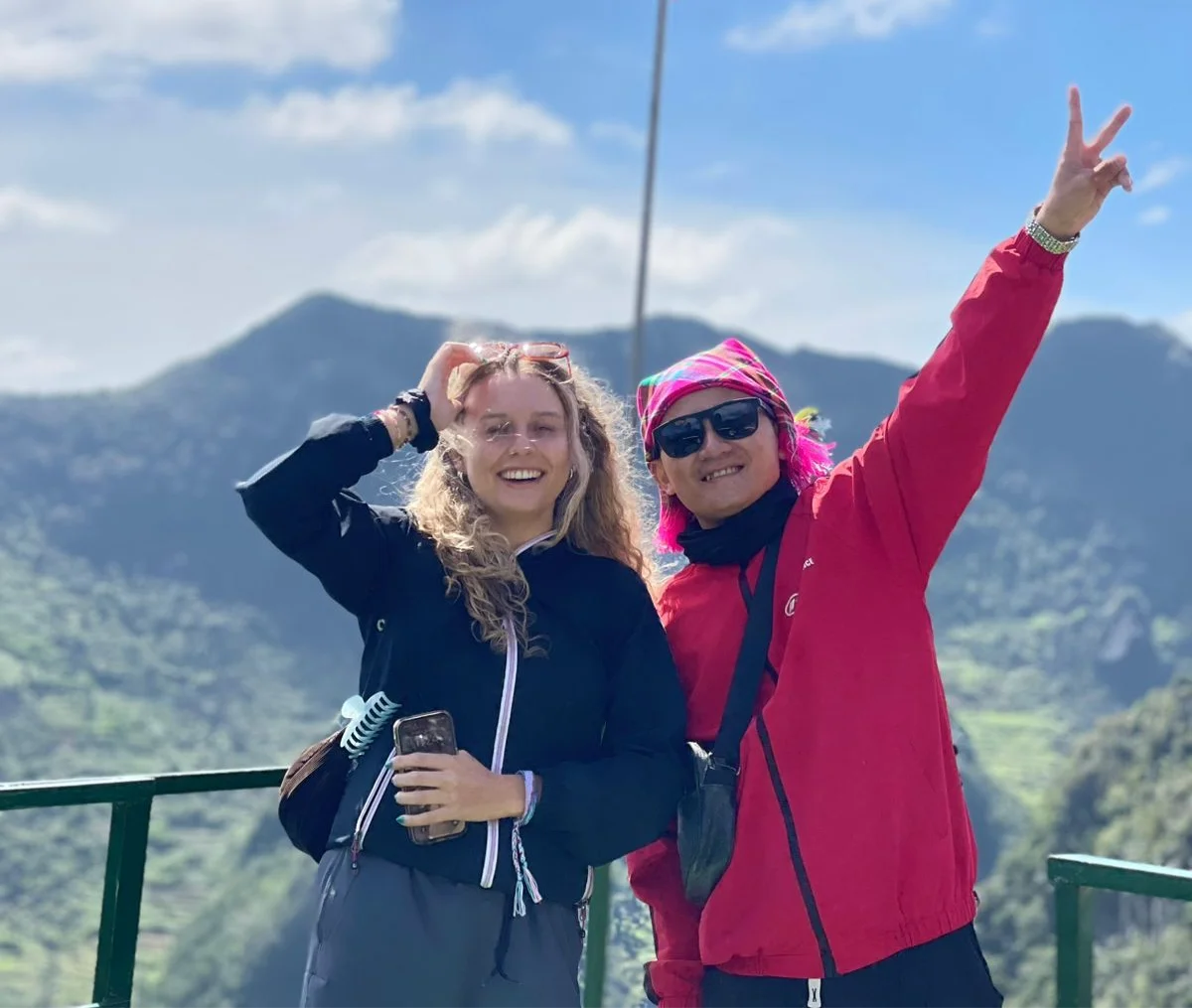
What NOT to Do During Hmong New Year
To keep the festival authentic and respectful—for both locals and travellers—avoid the following:
🚫 Don’t walk into a home without being invited
Many ceremonies are private and spiritually significant.
🚫 Don’t photograph rituals without asking
Especially soul-calling or ancestral offerings.
🚫 Don’t touch traditional outfits
These garments often take months to sew.
🚫 Don’t offer alcohol to elders
It can be considered disrespectful unless they initiate.
🚫 Don’t treat the festival like a tourist show
Participate with humility, curiosity, and gratitude.
🚫 Don’t give children money or sweets
This creates long-term problems for communities already targeted by “poverty tourism.”
Pssst join our Bong Hostel Culture Tour and we will visit the Hmong King Palace so you can learn more about the Hmong culture before celebrating Hmong New Year 2025!!
Related article: Ethical Travel in Vietnam: Why You Shouldn't Give Money to Children on the Ha Giang Loop.
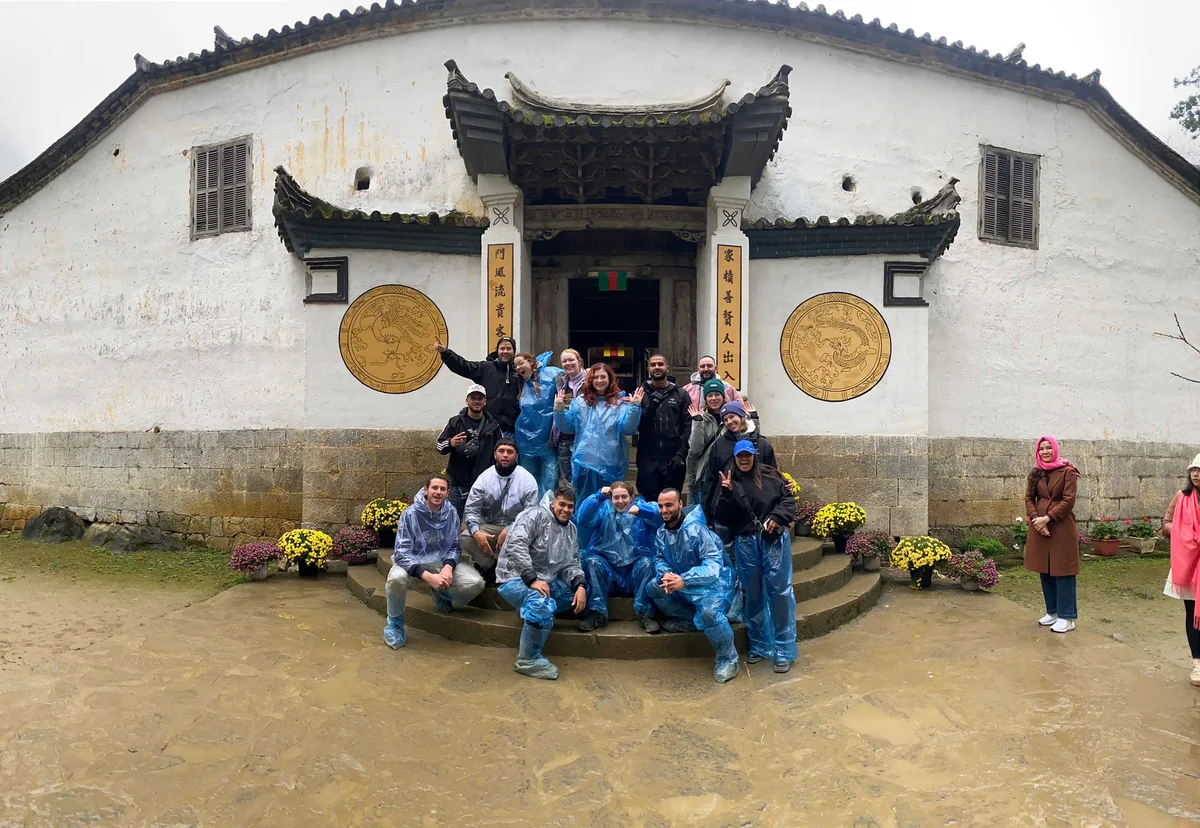
Why Not Visit the Hmong King Palace on the Ha Giang Loop?
How Tourists Can Join Respectfully
Here are simple ways to make your experience meaningful:
Smile, greet people, and wait for invitations.
Cover shoulders and knees, and bring layers—it gets chilly in the mountains.
Accept small offers of food or tea (it’s a big honour).
Compliment outfits—locals appreciate it.
Buy local snacks or handmade cloth items.
Prepare a small gift of fruit, tea, or sweets if you anticipate being welcomed into a family home.
Expect spontaneous invitations, lively games, and lots of rice wine (Happy Water).
Observe rituals quietly and move gently through crowded areas.
Learn a few key phrases: “Chúc mừng năm mới!”: Happy New Year! (in Vietnamese); “Ua tsaug!”: Thank you! (in Hmong)
Most importantly: Always follow your guide’s advice—they understand cultural boundaries far better than any traveller.
Related article: Cultural Etiquette in Vietnam: 20 Dos and Don'ts for Respectful Travel.
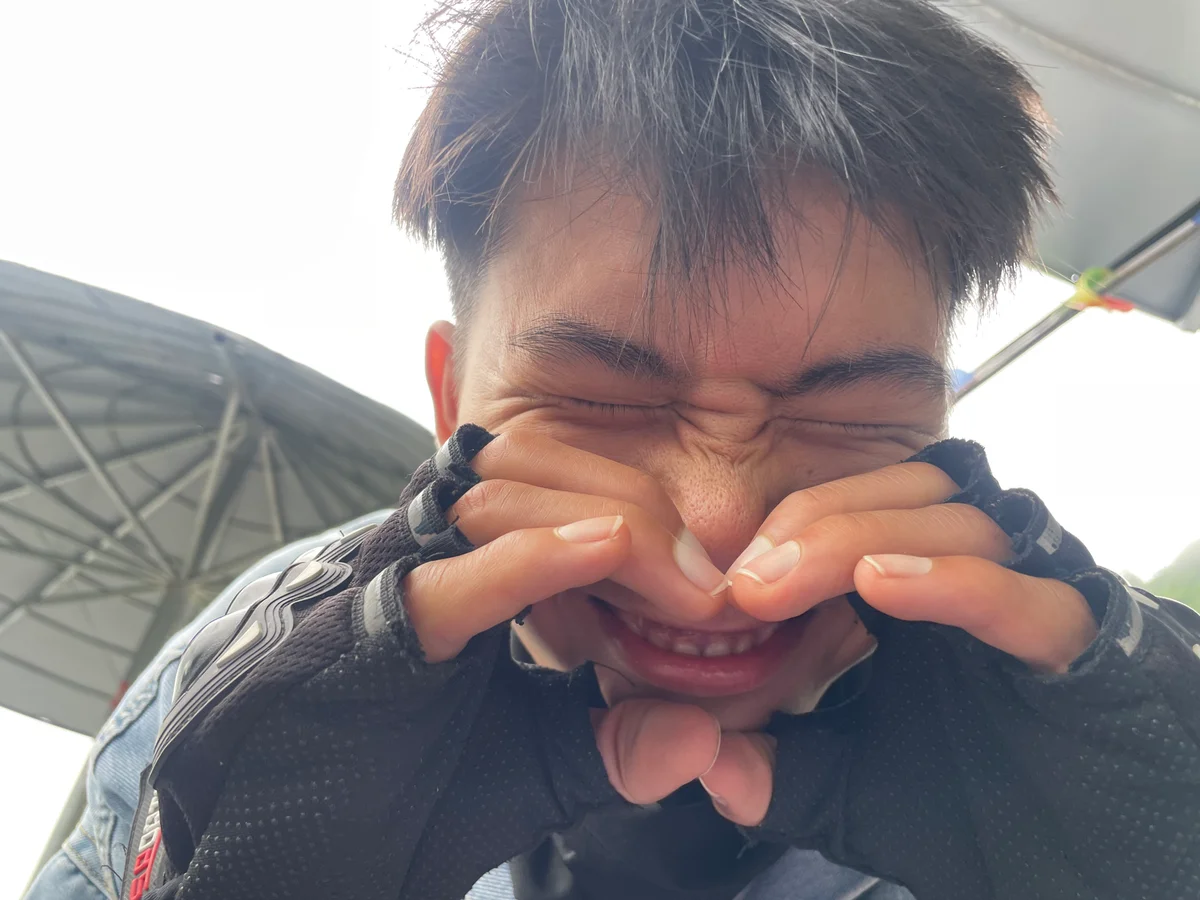
Thank you for travelling Respectfully and Responsibly in Ha Giang
FAQ: Hmong New Year 2025 (Ha Giang Loop)
Q. When is Hmong New Year 2025?
A. Late November to early December, depending on the Hmong lunar calendar.
Q. Where’s the best place to see it?
A. Dong Van, Meo Vac, Lung Cu, and nearby Hmong villages along the Ha Giang Loop.
Q. What happens during the festival?
A. Ancestral offerings, cleansing rituals, Hu Plig (soul-calling), traditional games, music, dancing, and the famous pov pob ball-toss courtship.
Q. Can tourists join?
A. Yes—public celebrations are open. Just be respectful and ask before taking photos.
Q. Does it affect Loop travel?
A. Roads stay open; towns and markets get livelier with colour, food stalls, and events.
Q. What should I wear?
A. Warm, modest clothing. Avoid revealing outfits, especially near homes or altars.
Q. Is Hmong New Year the same as Tet?
A. No. It’s a Hmong festival in late Nov/early Dec. Tet happens in Jan/Feb.
Q. How do I plan my trip around it?
A. Book early, stay in Dong Van or Meo Vac, and consider joining a guided tour for cultural insight.
Q. Is photography allowed?
A. Yes—just ask permission, especially during rituals or when photographing elders or children.
Related article: 12 Best Photo Spots on the Ha Giang Loop (With Map Pins and 15+ Photography Tips).
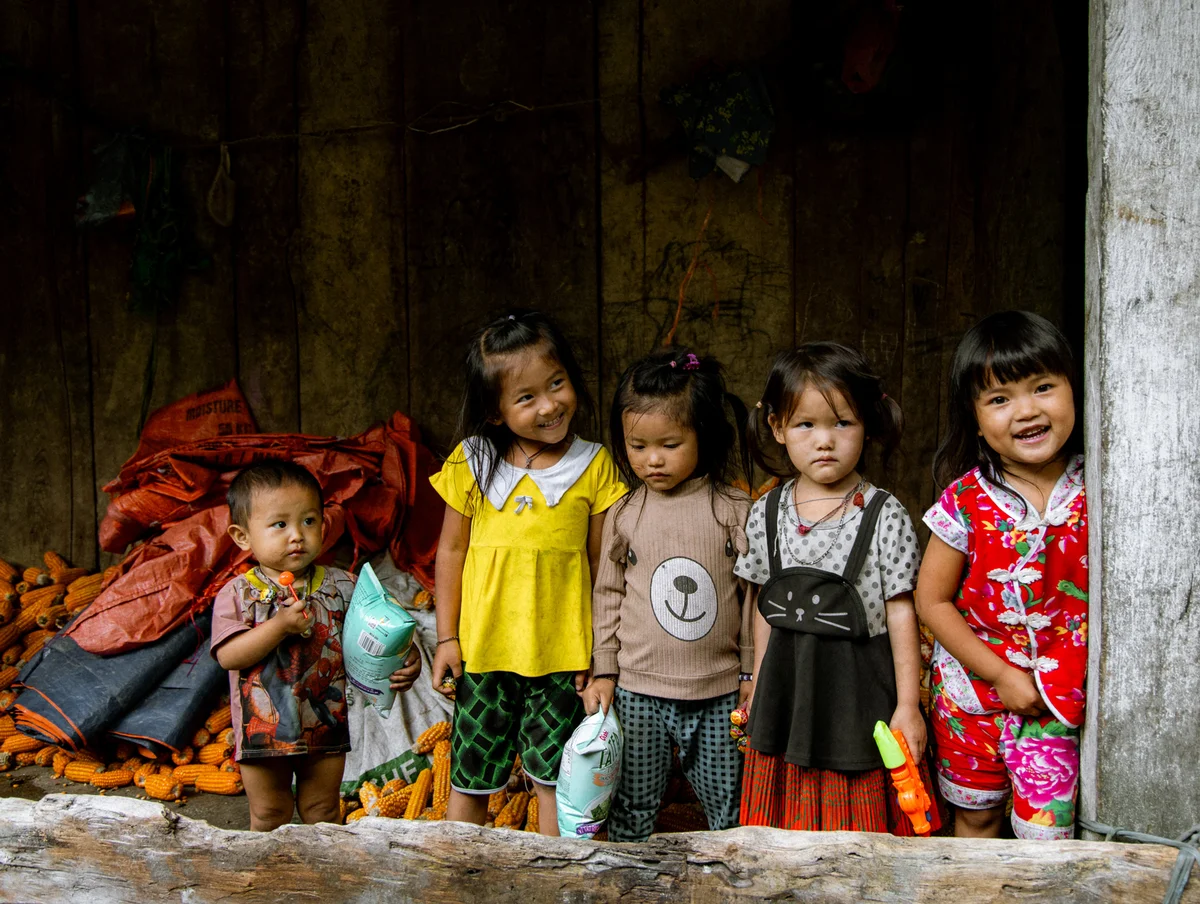
The Evolution of Hmong New Year
Like most traditions, the Hmong New Year has evolved with time and migration.
In Vietnam, despite changes over time, especially across different regions of northern Vietnam, the heart of the Hmong New Year remains the same.
It is a festival dedicated to gratitude, renewal, and connection—to the land, the ancestors, the community, and the self.
In Ha Giang’s mountain villages, these traditions continue to thrive. Noj Peb Caug is not just a celebration; it is a reaffirmation of identity and belonging.
But for Hmong families who have resettled abroad—especially in the U.S.—the festival has taken on a new layer of meaning. It’s become a way to preserve identity and pass down traditions in a new homeland.
Large-scale Hmong New Year events now take place in cities like St. Paul, Minnesota, and Fresno, California, drawing tens of thousands of people.
They feature fashion shows, singing contests, dance performances, and pageants—all celebrating the artistry and pride of the Hmong diaspora.
Even with these modern touches, the essence of Noj Peb Caug remains unchanged: gratitude, togetherness, and cultural continuity.
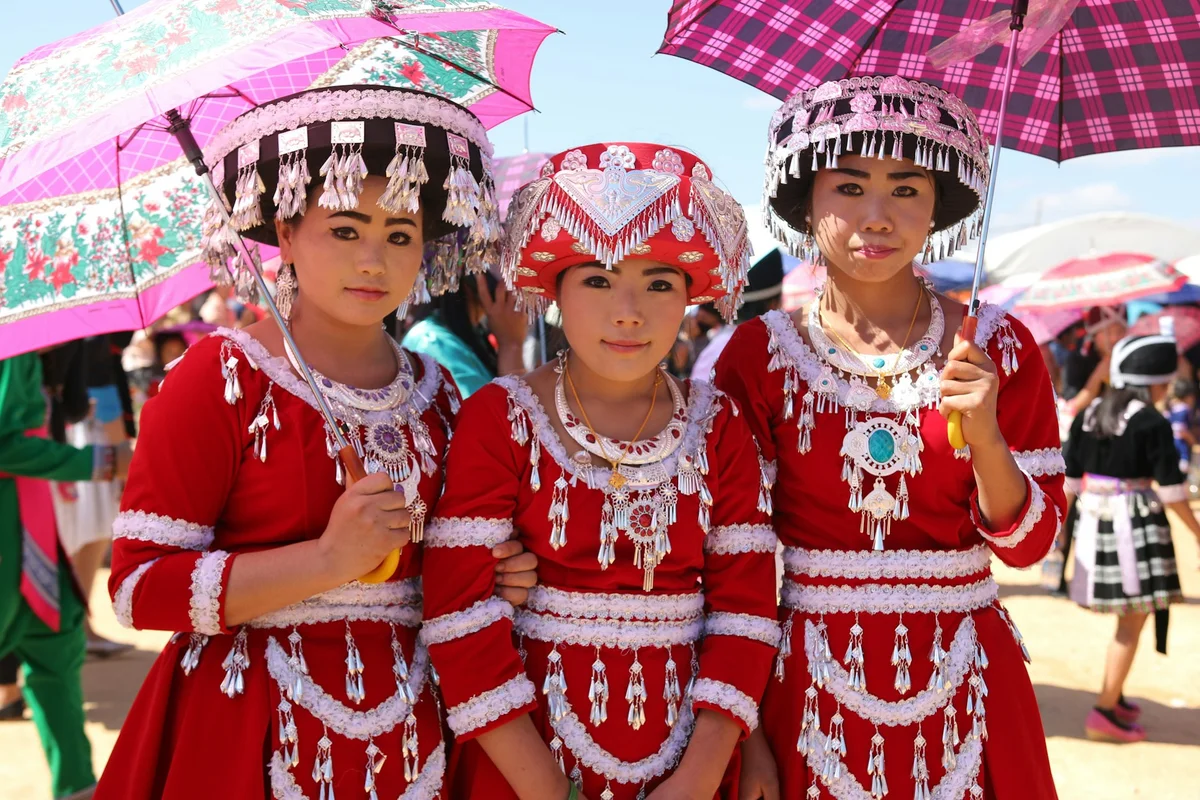
Hmong New Year is Not Only Celebrated in Vietnam
Final Word: Don’t Miss Hmong New Year on the Ha Giang Loop
Experiencing Noj Peb Caug on the Ha Giang Loop offers something rare in modern travel: a chance to slow down, learn, and be welcomed into a culture that has carried its customs through generations.
You’ll witness a festival that hasn’t lost itself to modernity (or tourism)—a celebration still rooted in gratitude, family, and joy. It’s not staged or sanitised; it’s real, raw, and alive in the chill mountain air.
So, if your travel dates align with Hmong New Year 2025, pack a warm jacket and a willingness to say yes—to a game, a meal, a song, or a dance.
The Hmong will welcome you like an old friend and you’ll leave with a story that you’ll be re-telling forever.
About Faye Hilling
Travel writer and Vietnam explorer sharing authentic experiences and insider tips for discovering the beauty of Vietnam.