

The Best Rice Terraces to See in North Vietnam During Harvest Season (2025 Edition)
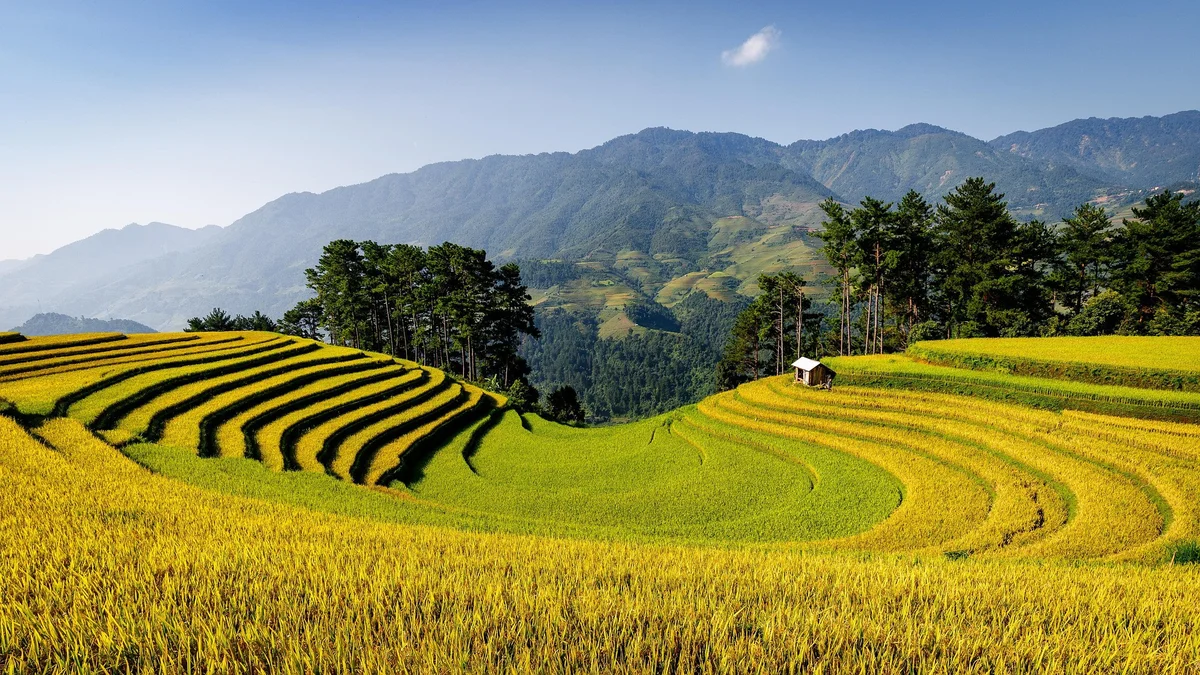
Vietnam is one of the world’s biggest rice producers (right up there with Thailand!) and it’s safe to say the country knows a thing or two about turning grains into gold.
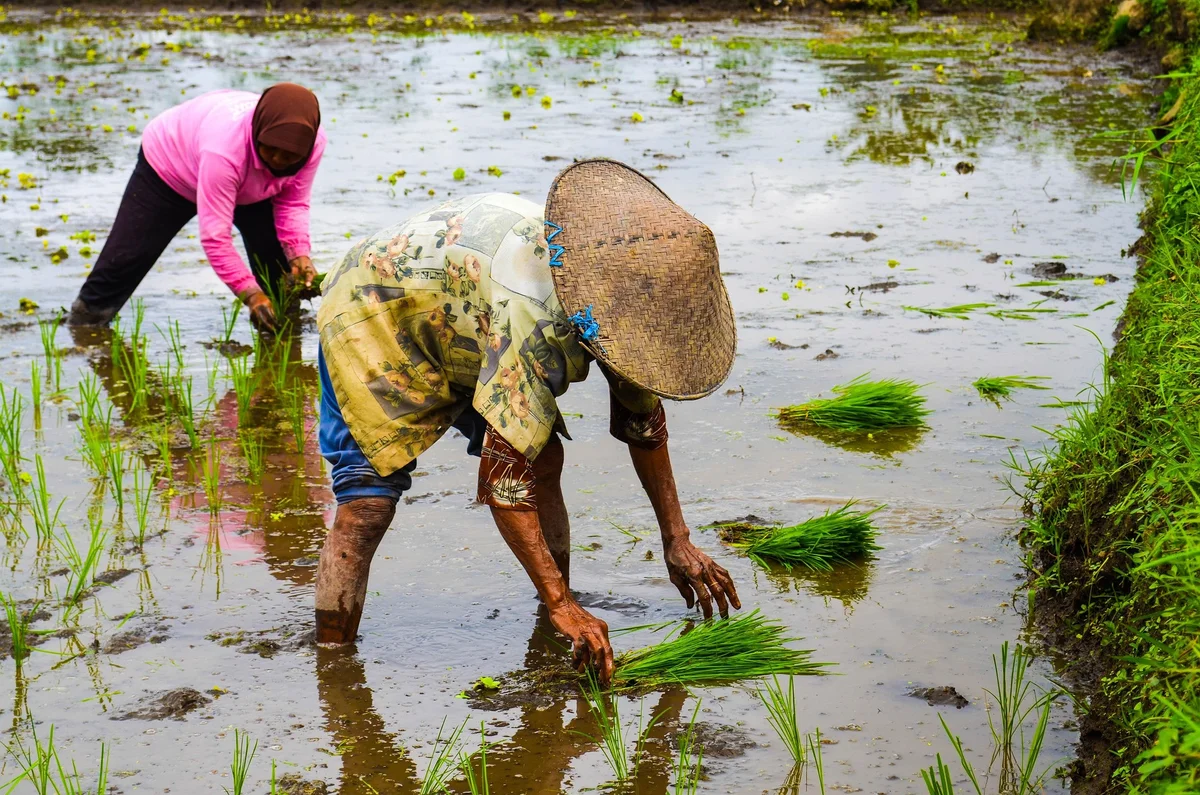
While most of us are chanting Happy Water cheers on the Ha Giang Loop, Vietnamese farmers are knee-deep in golden fields, working sunrise to sunset, come rain or come shine.
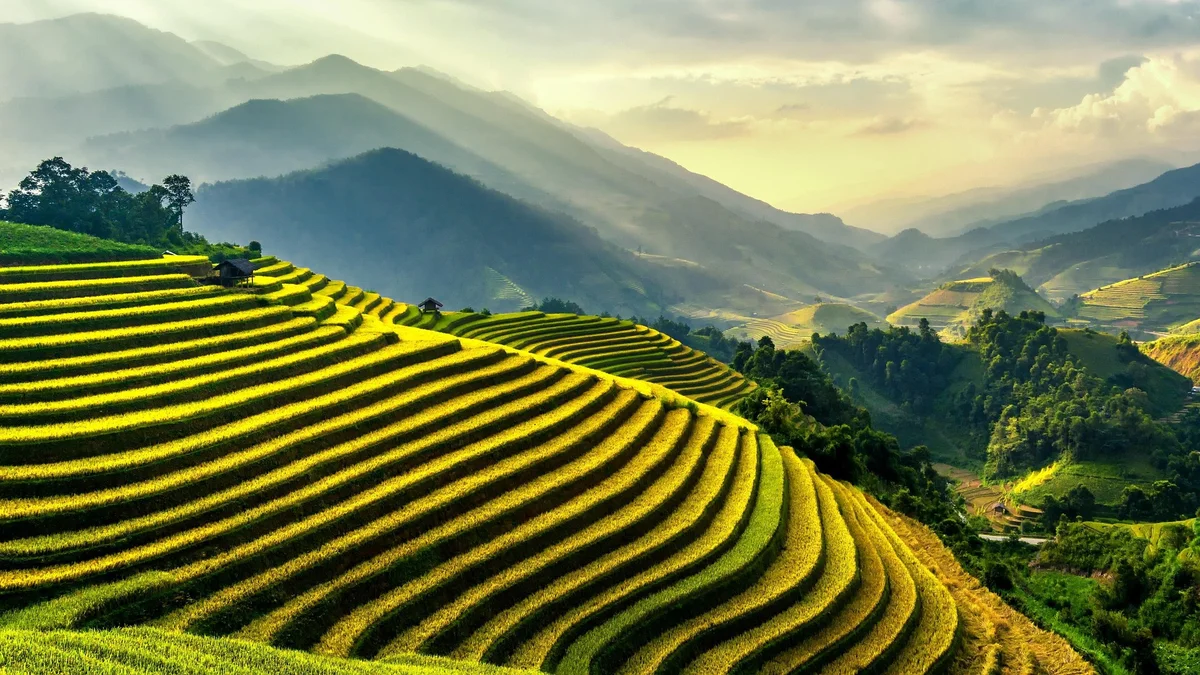
During harvest season, these efforts burst into life. Golden rice terraces drape across mountains like stairways to the valleys below, and the whole countryside transforms into a living postcard.
If you’re traveling in 2025 and wondering where to see the best rice terraces in Vietnam, buckle up—we’ve laid it all out for you.
When Is Vietnam’s Harvest Season?
In the north, harvest season typically happens from late August to early October, although the exact timing can vary depending on the weather and region.
For the Red River Delta (like Ninh Binh), harvest time lands around late May to early June.
In the Mekong Delta, you can catch multiple harvests throughout the year thanks to the flat terrain and abundance of water.
But for those golden, jaw-dropping terraces? You’ll want to focus on the Northern Highlands.
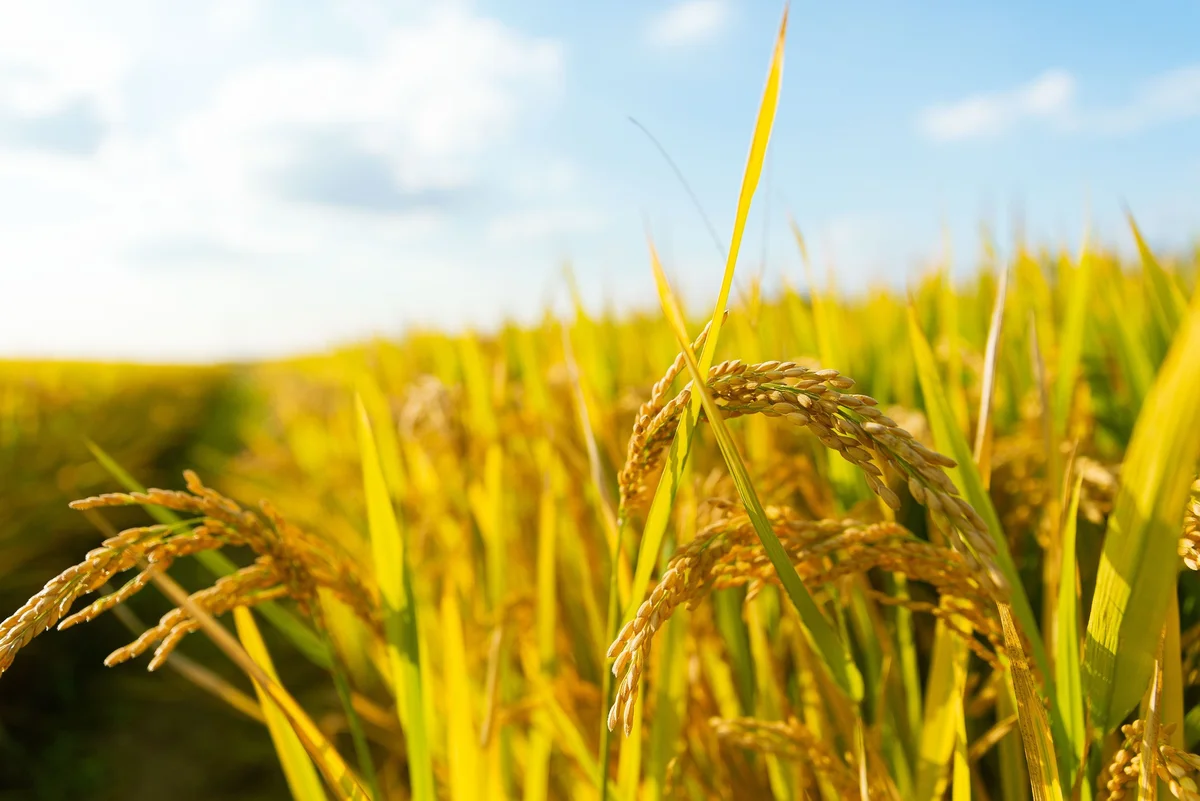
What Makes Vietnam’s Rice Terraces So Special?
Terraced farming is a feat of agricultural genius. In Vietnam’s mountainous regions, flat land is as rare as a quiet Hanoi roundabout.
So, farmers carve out step-like plots into the hillsides to hold water and grow rice. But these cascading curves aren’t just functional—they’re works of art.
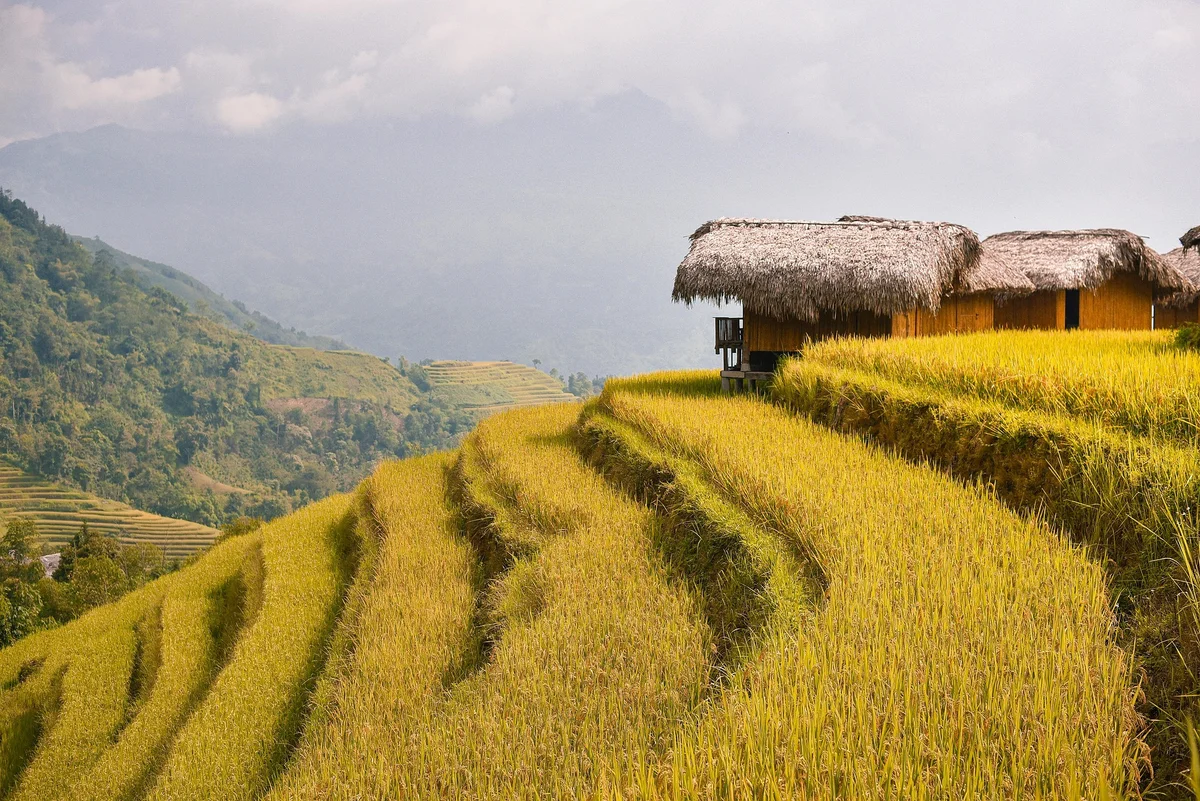
Come harvest season, they shine in shades of gold and amber, framed by winding mountain roads and rustic stilt houses.
Related article: Discover 9 Must-Visit Local Ethnic Villages on the Ha Giang Loop (Plus 1 Secret Village with Bong Hostel).
The Best Rice Terraces to See in Vietnam (2025 Edition)
Let’s break it down by region, shall we?
1. Mu Cang Chai (Yen Bai)
Best time to visit these rice terraces: Mid-September to mid-October
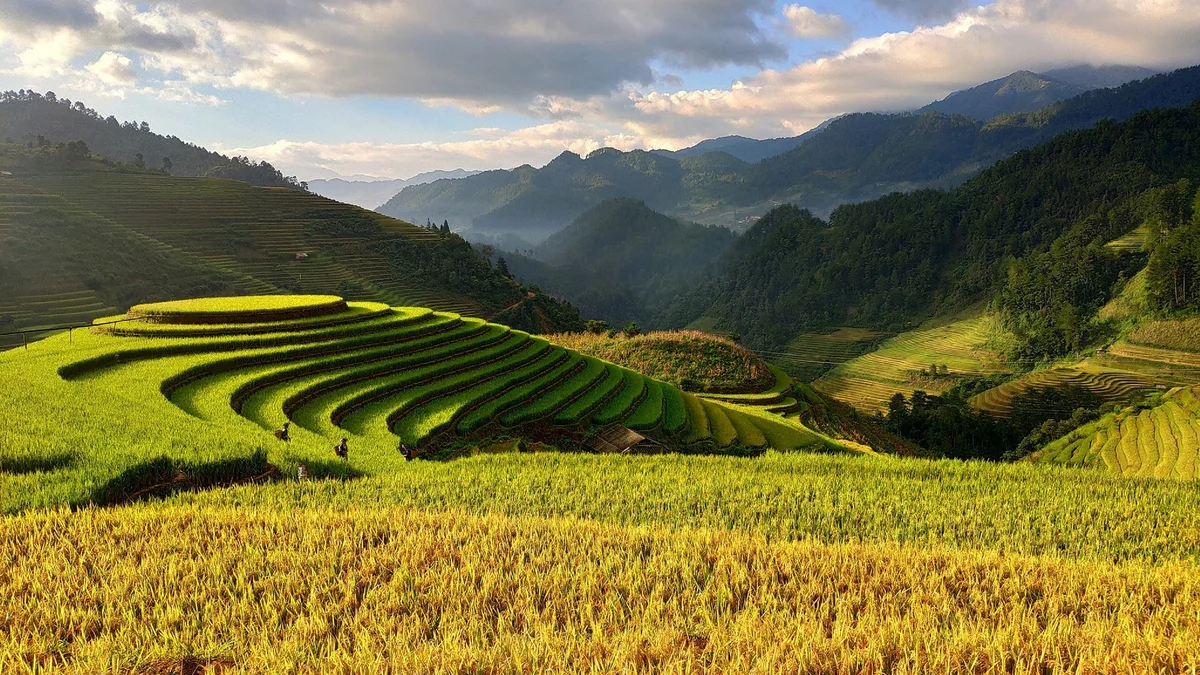
Known for its dramatic curves and vibrant yellow fields, Mu Cang Chai is the Beyoncé of Vietnam’s rice terrace scene.
National Geographic even called it one of the most magnificent landscapes on Earth. Not to brag, but they’re kind of right.
Top spots to photograph: Lim Mong Valley, Mam Xoi Hill, Horseshoe Hill.
Bonus round: Cross the legendary Khau Pha Pass, bathe in hot springs in Tram Tau, and sample sticky rice in Tu Le.
How to get there: If you’re wondering how to get to Mu Cang Chai from Hanoi first thing’s first: Take a bus from Hanoi to Than Uyen. Then you can rent a motorbike to reach Mu Cang Chai. Or go full adventurous and ride the whole way from Hanoi.
2. Hoang Su Phi (Ha Giang)
Best time to visit these rice terraces: September to late October
For terraced rice fields that literally climb into the clouds, Hoang Su Phi is your place.
These fields were designated a National Heritage Site in 2012, and once you see them, you’ll understand why.
Where to go: Ban Phung, Ban Luoc, Nam Ty, San Sa Ho, Ho Thau, Thong Nguyen.
What’s the vibe? Less touristy, more soul-nourishing. Plus, sky-high terraces dubbed Vietnam’s "stairways to heaven."
How to get there: From Hanoi, take a bus to Ha Giang, then continue via bus or motorbike to Hoang Su Phi. Facilities are sparse, so pack snacks and patience.
3. Sapa (Lao Cai)
Best time to visit these rice terraces: Late August to early October
As is to be expected, Sapa is the crowd-pleaser.
Even when it’s a bit packed, the Muong Hoa Valley’s golden terraces between Sapa Town and Fansipan are totally worth it.
What else? Sky-high mountains, good trekking scene, waterfalls, and Hmong markets. It’s also a great place to tuck away in a quiet coffee shop with a good book or map out the rest of your Vietnam itinerary.
How to get there: Train or sleeper bus from Hanoi to Lao Cai, then a short ride to Sapa.
Related article: Top 10+ Waterfalls in North Vietnam to Visit in 2025 (With Swimming & Trekking Tips).
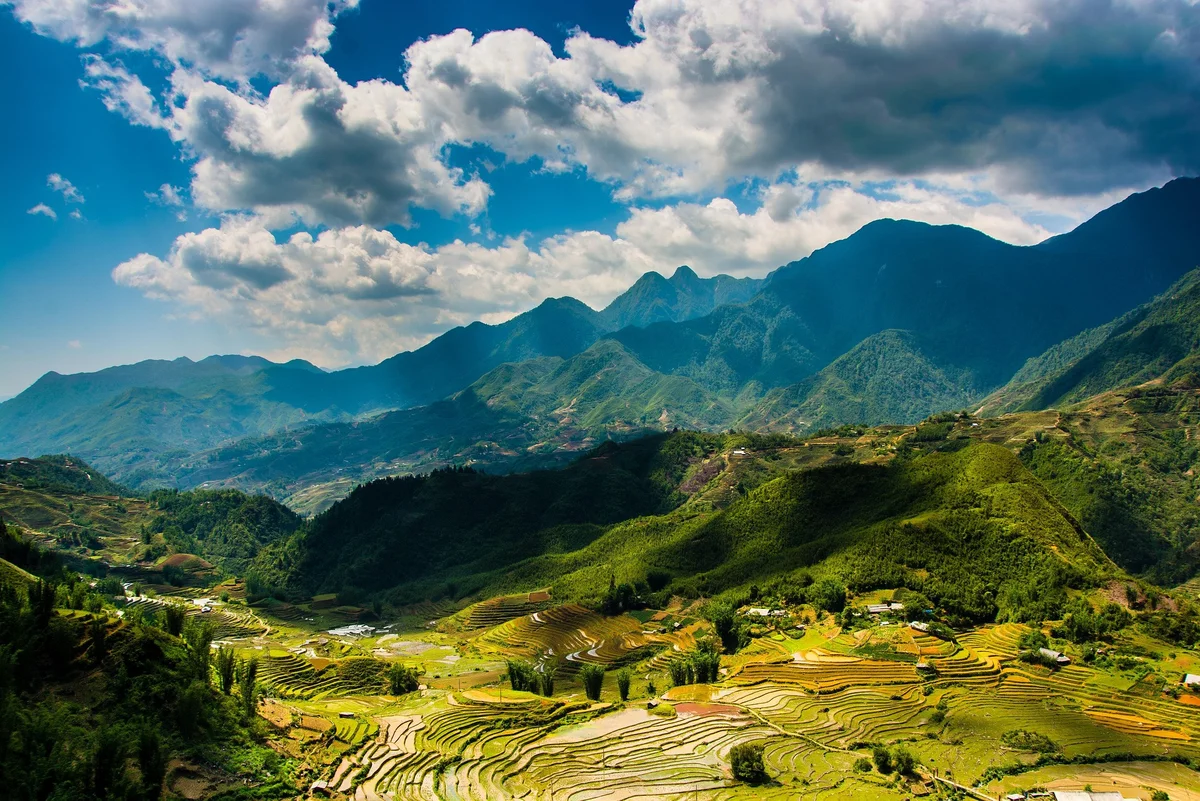
Some of the best terraced rice fields are in Sapa
4. Y Ty (Lao Cai)
Best time to visit these rice terraces: Late August to early October
Y Ty is the introvert’s Sapa. Tucked away in the fog, it’s known for photogenic terraces, rare cloud formations, and Ha Nhi mushroom houses.
It’s peaceful, off-the-beaten-path, and still postcard-perfect.
Watch out for: Limited accommodation and the need for permits in certain areas.
How to get there: Train or bus to Lao Cai, then motorbike via one of two routes (via Bat Xat or via Sapa and Den Sang).
5. Ta Leng (Lai Chau)
Best time to visit these rice terraces: September to October
Looking to escape Sapa’s crowds but still soak up its beauty? Ta Leng is just a stone’s throw away—figuratively speaking. Its rice terraces are remote but deliver all the wow-factor of the main ones in Lao Cai.
Insider tip: Visit during the 'pour season' (March–April) or harvest season (September–October) for double the charm.
How to get there: Bus to Lai Chau or via motorbike from Sapa via O Quy Ho Pass.
Related article: The Mirror Season in Sapa: 10+ Rice Terraces to Visit in May 2025!
6. Mai Chau (Hoa Binh)
Best time to visit these rice terraces: May to June
Swap the mountain drama for peaceful paddies and stilt-house villages.
Mai Chau’s terraced rice fields are smaller but equally photogenic, and the region is a hub for White Thai culture.
Do this: Try colorful sticky rice (xoi nep nuong), cycle through Lac village, and sip can wine with locals.
How to get there: Buses from Hanoi or private shuttles to Mai Chau. Easy peasy.
7. Tam Coc (Ninh Binh)
Best time to visit these rice fields: Late May to early June
The karst landscape of Tam Coc and Trang An are the reason Ninh Binh is referred to as “Ha Long Bay on land”. But it also has incredible rice paddies too.
Drift along the Ngo Dong River while soaking in golden fields, limestone karsts, and cave tunnels. You may even stumble into a famous movie set along the way.
Don’t miss: Hang Mua Steps, Hoa Lu Ancient Capital, and Trang An Scenic Landscape Complex.
How to get there: Train or bus to Ninh Binh, then taxi or motorbike to Tam Coc.
Related article: The Ultimate 3-Day Ninh Binh Itinerary (Straight from Hanoi via Bong Hostel).
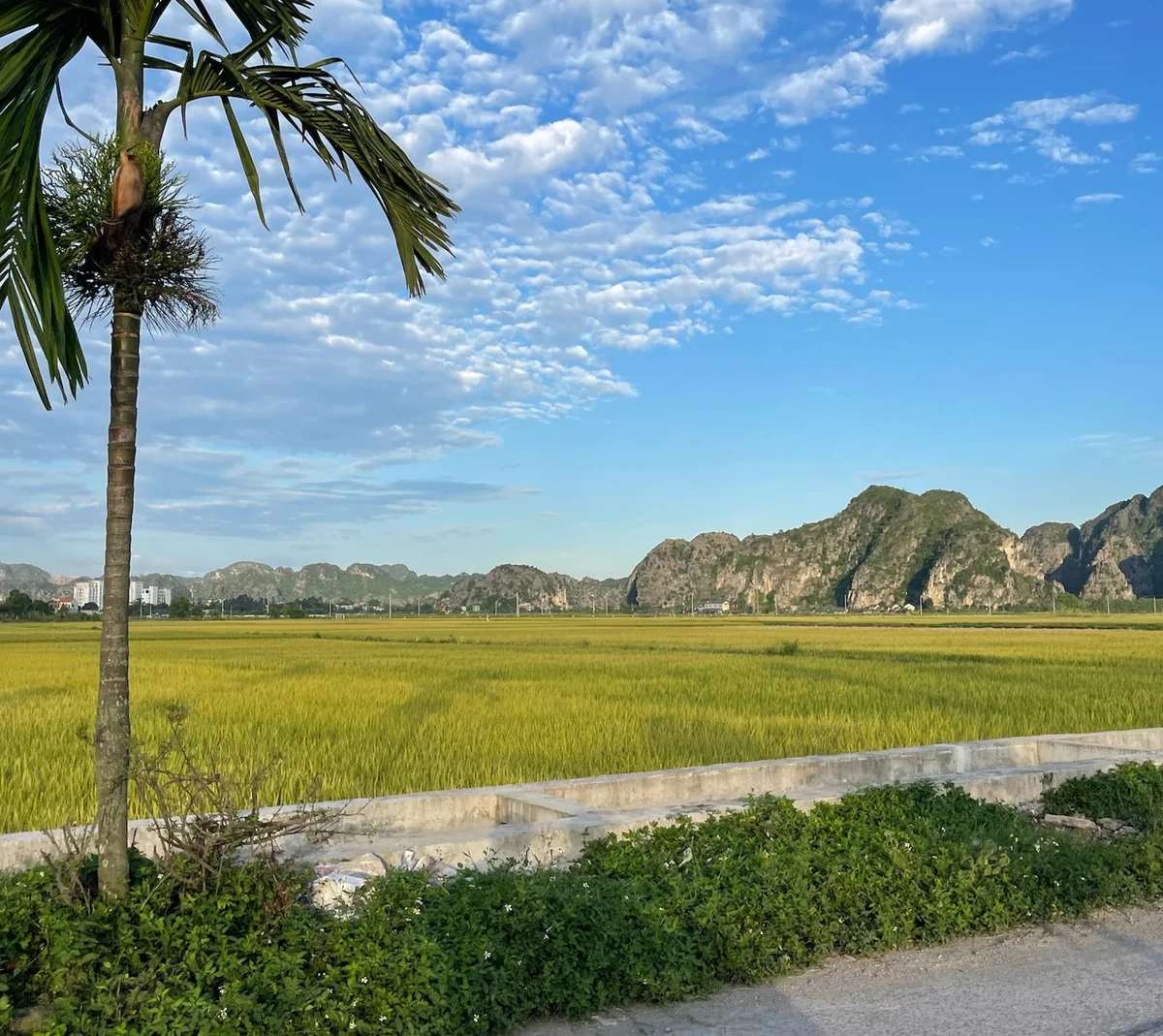
Rice paddies in Ninh Binh are flat
8. Pu Luong Nature Reserve (Thanh Hoa)
Best time to visit these rice terraces: May to June or September to October
Just three hours from Hanoi, Pu Luong is a blend of nature, culture, and terraced fields. Trek, cycle, or just lie back in a hammock with a good playlist and the smell of ripening rice in the air.
Cultural bonus: Visit nearby Mai Chau to learn traditional weaving, cooking, and farming (and check out their rice terraces of course!).
How to get there: Private car or motorbike from Hanoi.
9. Bac Son Valley (Lang Son)
Best time to visit these rice terraces: Late July or November
Bac Son’s rice fields aren’t terraced, but don’t let that stop you.
Set in a flat valley ringed by limestone peaks, these golden carpets glow against a dramatic backdrop.
Na Lay Peak offers stunning views for cloud chasers and sunrise seekers.
How to get there: Bus from Hanoi to Lang Son, then taxi or motorbike to Bac Son.
How to Travel Respectfully During Harvest Season
Seeing Vietnam’s best rice terraces isn’t just about the photos. It’s about connecting—respectfully—with the land and people who make this beauty possible.
Here’s how:
Ask before entering fields.
Support local homestays and eateries.
Say a few phrases in Vietnamese.
Minimise waste and use reusable items.
Respect cultural practices and traditions.
Related article: Cultural Etiquette in Vietnam: 20 Dos and Don'ts for Respectful Travel.
Cultural Festivities and Food Worth Farming For
Harvest season in Vietnam is a time of joy. There will be festivals, feasts, and music.
In rural areas, villagers give thanks to the land with offerings, shared meals, and traditional dancing.
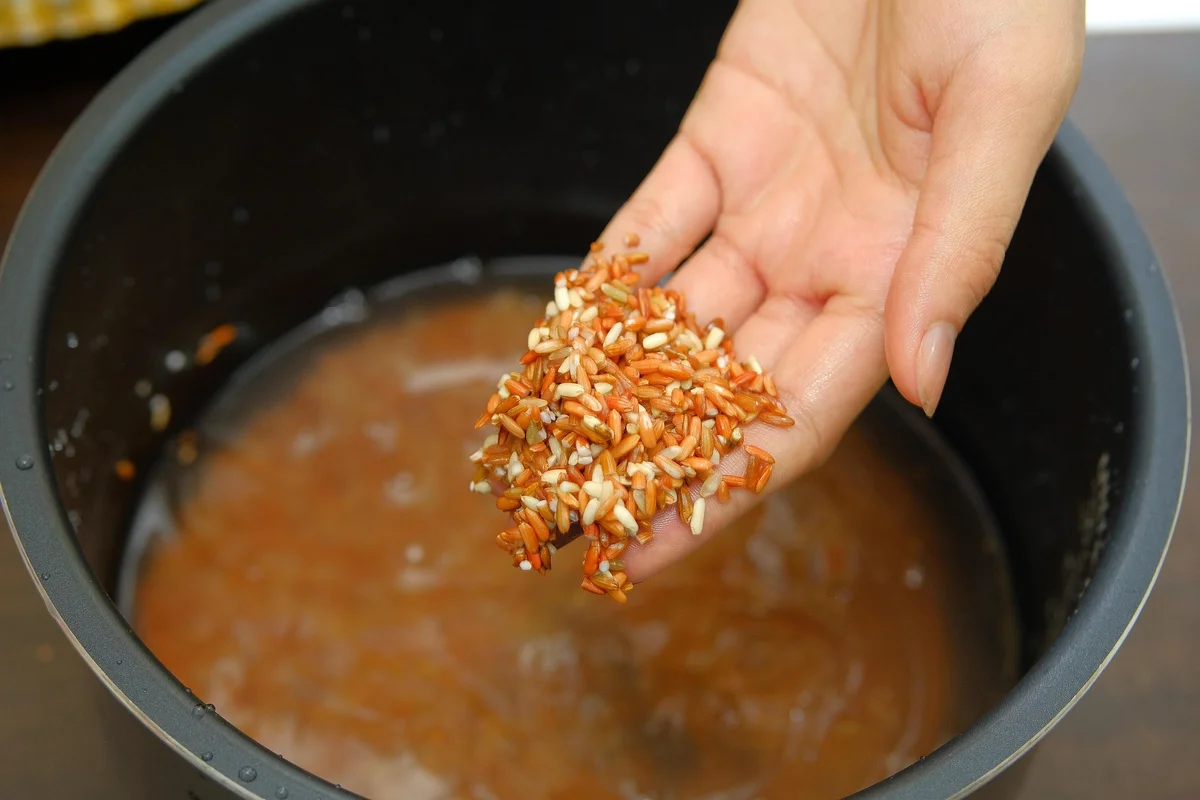
And yes—rice features heavily on the menu. From fresh rice noodles to sticky rice snacks, your taste buds will thank you.
What to Pack for a Rice-Filled Adventure
During late August to early October—when the rice terraces are being harvested—it is advised to pack the following items:
Light clothing and breathable fabrics.
Sturdy walking shoes or trekking sandals.
Rain gear (trust us, Vietnam’s still facing the rainy season in August and besides that, weather in the mountains is always a little spicy).
Reusable water bottle.
Insect repellent and sunscreen.
Travel insurance (just in case you get carried away with the views).
Related article: What to Pack for the Ha Giang Loop: The Ultimate Guide.
Eco-Friendly Souvenirs to Purchase in Harvest Season
Want a keepsake that supports local communities? Skip the fridge magnets and check out:
Rice paper goods (like notebooks or lamps).
Organic rice products.
Handwoven baskets or textiles.
Paintings of rice terraces by local artists.
Wood Carvings: Telling stories of ancestors and agriculture.
Our Thoughts on Visiting Vietnam in Harvest Season
Yes, Vietnam’s rice terraces are Instagram gold—but they’re also the result of centuries of hard work, ingenuity, and culture.
Visiting Vietnam during harvest season is like stepping into a moving painting, one with heart, hustle, and a whole lot of history.
So in 2025, pack your camera, brush up on your Vietnamese, and get ready to walk through golden staircases that lead not just to epic views, but deeper connections.
And if you’re staying with us at Bong Hostel in Hanoi, we’ll help you plan it all!
About Faye Hilling
Travel writer and Vietnam explorer sharing authentic experiences and insider tips for discovering the beauty of Vietnam.