
Ha Giang Loop FAQs: 65+ Questions Backpackers Ask Before Doing the Loop (A–Z Guide: Part 1)
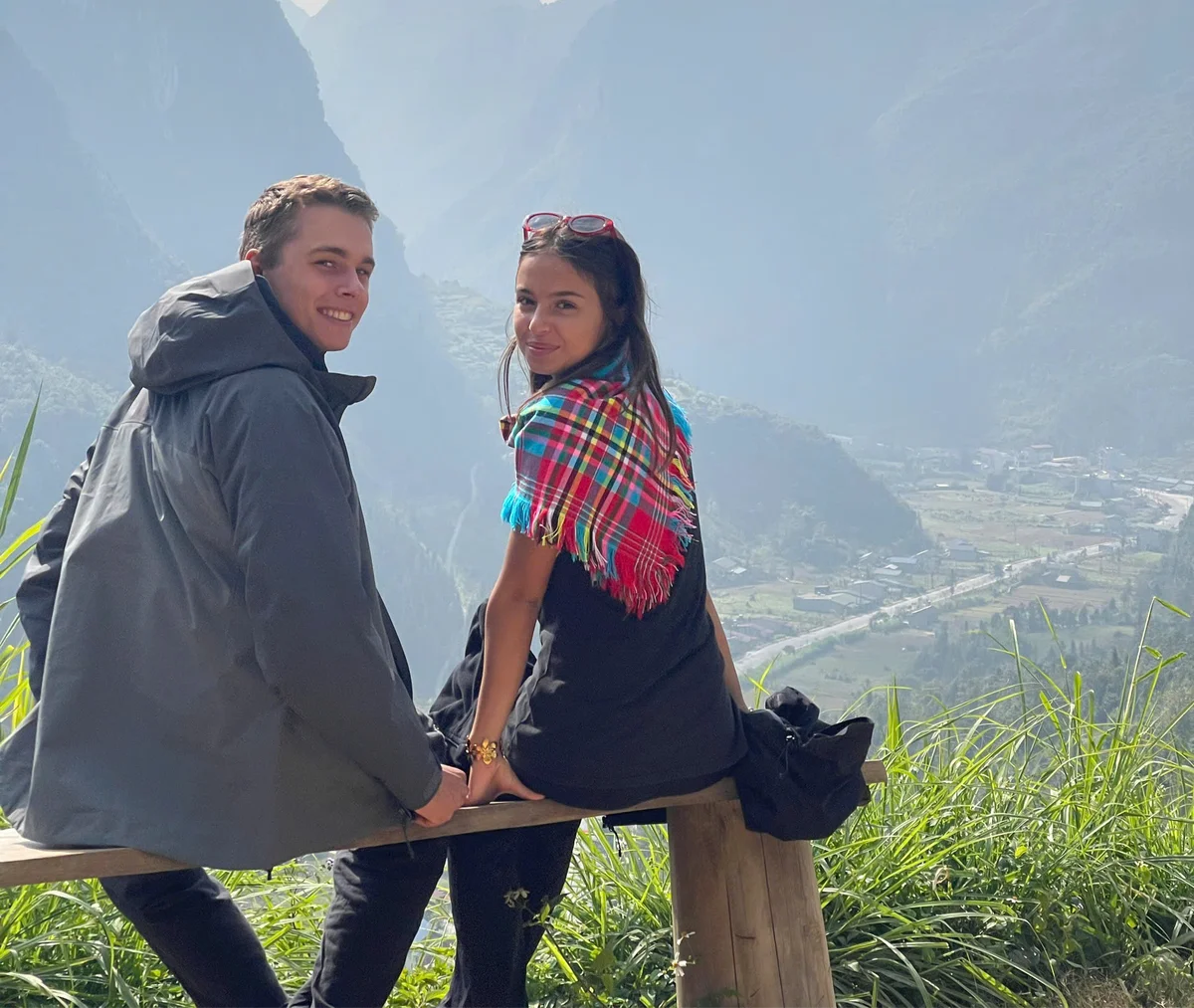
If you’re Googling “everything I need to know about the Ha Giang Loop” at 1 a.m. while half-packed and mildly panicking—welcome. You’re in the right place.
The Ha Giang Loop isn’t just a motorbike route. It’s a rite of passage. A jaw-dropping, mildly terrifying, deeply addictive adventure through Northern Vietnam’s wildest landscapes.
But because it’s not exactly your average backpacker activity, people have a lot of questions.
So instead of another dry checklist, we’ve created the ultimate A–Z of Ha Giang Loop FAQs—written by people who live it, ride it, and guide it.
This guide has it all whether it’s your first time riding, you’re debating Easy Rider vs self-riding, or you just want to know if there are toilets (spoiler: sometimes), this guide has you covered.
This post will cover A to K.
'A' Ha Giang Loop FAQs: Accommodation, ATMs, Authenticity, & Age
1. Accommodation on the Ha Giang Loop
Expect local homestays, family-run guesthouses, shared dorms, and yes, occasionally a mattress-on-the-floor moment.
But here’s the thing: loop accommodation is actually comfortable. The beds are warm and soft, the food is filling, and the people are genuinely welcoming.
After a long day riding mountain roads, these homestays feel less like “basic accommodation” and more like being adopted for the night.
Bong Hostel works with multiple trusted homestays across the Ha Giang Loop, chosen for cleanliness, comfort, and friendly hosts.
Prefer a little extra privacy? You can upgrade to a private room each evening for an additional cost, depending on availability—perfect if you want a quieter night or you’re travelling as a couple.
You might arrive dusty, tired, and hungry—but you’ll leave fed, warm, and happy.
2. ATMs in Ha Giang
They exist… but don’t rely on them.
It’s always best to withdraw cash in Ha Giang City before starting the Loop. Once you’re deep into Dong Van, Meo Vac, or the smaller villages, cash is king and ATMs are unpredictable at best.
If you’re really desperate, ask your tour leader—they sometimes know of a machine that might be working. No promises. Mountains don’t care how much cash you have left.
Author’s Tip:
Bring around 3–4 million VND for the Ha Giang Loop. This comfortably covers souvenirs, coffee stops at viewpoints, a few beers at homestays, snacks along the way, and a little extra to tip your Easy Rider if you feel they’ve looked after you well.
3. Authentic Experiences with Bong Hostel
The key is how you do it. Stick only to the main roads and big groups, and it can feel busy. Slow it down, detour onto back roads, and stay in smaller villages—and suddenly you’re somewhere very different.
That’s exactly why Bong Hostel created their brand new Culture Tour and Secret Tour, designed to move away from the crowded routes.
These tours focus on quieter roads, deeper village experiences, and genuine cultural interaction—not box-ticking viewpoints.
Authenticity still exists here. You just have to choose it.
Related article: Ha Giang Loop Tourism in 2026: Where Crowds Are—and How to Avoid Them.
4. Age (Am I Too Old to Do the Ha Giang Loop?)
Short answer: absolutely not.
While you must be 18 years old to ride a motorbike yourself, there is no upper age limit for doing the Ha Giang Loop. You don’t need to ride at all to experience it fully.
At Bong Hostel, we regularly welcome guests in their 40s, 50s, and beyond riding the Loop comfortably (often with Easy Riders and always having the best time).
In fact, we always think older travellers enjoy the Ha Giang Loop even more. They notice more, ask better questions, and connect more deeply with local culture.
If you want a deeper look, we’ve written a dedicated guide on doing the Ha Giang Loop at 50+, covering comfort, safety, and why age can actually make the experience better.
The Loop isn’t about how old you are—it’s about how open you are.
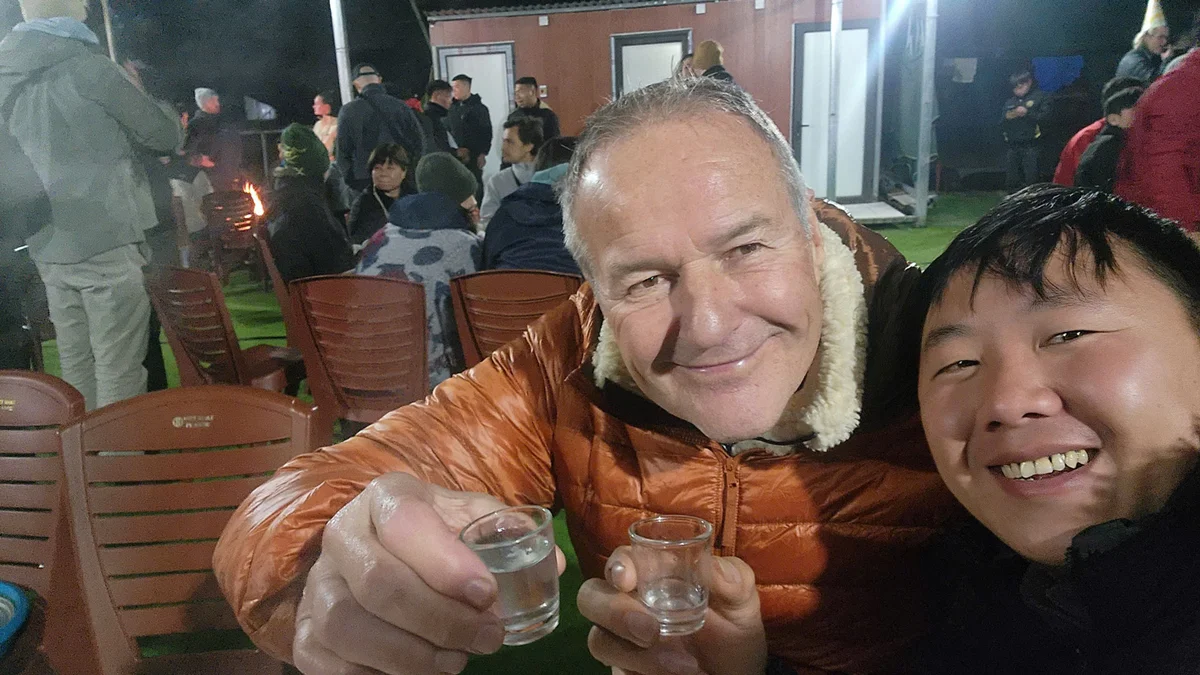 There's No Age Limit on Having Fun on the Ha Giang Loop
'B' Ha Giang Loop FAQs: Buses, Bags, & Buckwheat
5. Bong Hostel and Tours
Bong Hostel isn’t just a place to sleep—it’s a Ha Giang Loop institution.
We’ve been running Loop tours since 2016, we’re proudly family-run, and we operate two hostels: one in Hanoi and one right here in Ha Giang City.
We don’t rush.
We don’t herd people like cattle.
We don’t run chaos-for-content tours.
What we do run are safe, ethical, well-paced Ha Giang Loop experiences—built on local knowledge, trust, and years of doing this properly.
Related article: Why You Should Do The Ha Giang Loop With Bong Hostel.
6. Buses to and from Ha Giang
Most travellers arrive via overnight bus to Ha Giang—usually from Hanoi — but that’s far from your only option.
Bong Hostel can arrange buses to and from Ha Giang not just from Hanoi, but also Ninh Binh, Ha Long Bay, Sapa, and Cat Ba. Just let us know where you want to go when you sign up for the tour!
After your Loop tour finishes, you simply check in at the hostel, follow our instructions, and we’ll let you know when your bus arrives.
There are a few different bus styles to choose from:
Sleeper buses: More budget-friendly, comfortable enough, but you’re sharing space. You may get a snorer. You may get loud TikTok videos. You may, on rare occasions, get a chicken. Bring earplugs.
Cabin buses: More VIP. You get your own private sleeping pod, a curtain for privacy, and a generally quieter ride. Ideal if you value sleep or personal space.
Whichever you choose, getting the bus is easy with Bong Hostel!
Related article: Everything You Need to Know About Getting the Bus to Ha Giang for the Ha Giang Loop.
7. Bags (Where do I leave my Big Backpack?)
Pack light. Then pack lighter.
Your motorbike does not want your huge 70L backpack strapped to it. The good news? You don’t need it.
All large backpacks and suitcases are securely stored at Bong Hostel in Ha Giang while you’re on the Loop.
You’ll only take a small backpack with essentials—clothes, toiletries, layers, and valuables.
Important note: Do not leave your main bag at Bong Hostel Hanoi. You’ll be travelling to Ha Giang, so storage happens at the Ha Giang hostel, not in the capital.
8. Buckwheat Flower Festival in Ha Giang
From October to November, the Ha Giang mountains blush pink thanks to buckwheat flowers—and yes, they really are something.
Some of the best places to see buckwheat flowers include:
Dong Van Plateau.
Around Sung La Valley.
Roads between Yen Minh and Dong Van.
On the way down to the Nho Que River.
Smaller villages slightly off the main Loop route.
They tend to bloom best in open fields near villages rather than at the biggest viewpoints, so slowing down and taking back roads gives you the best chance of seeing them without crowds.
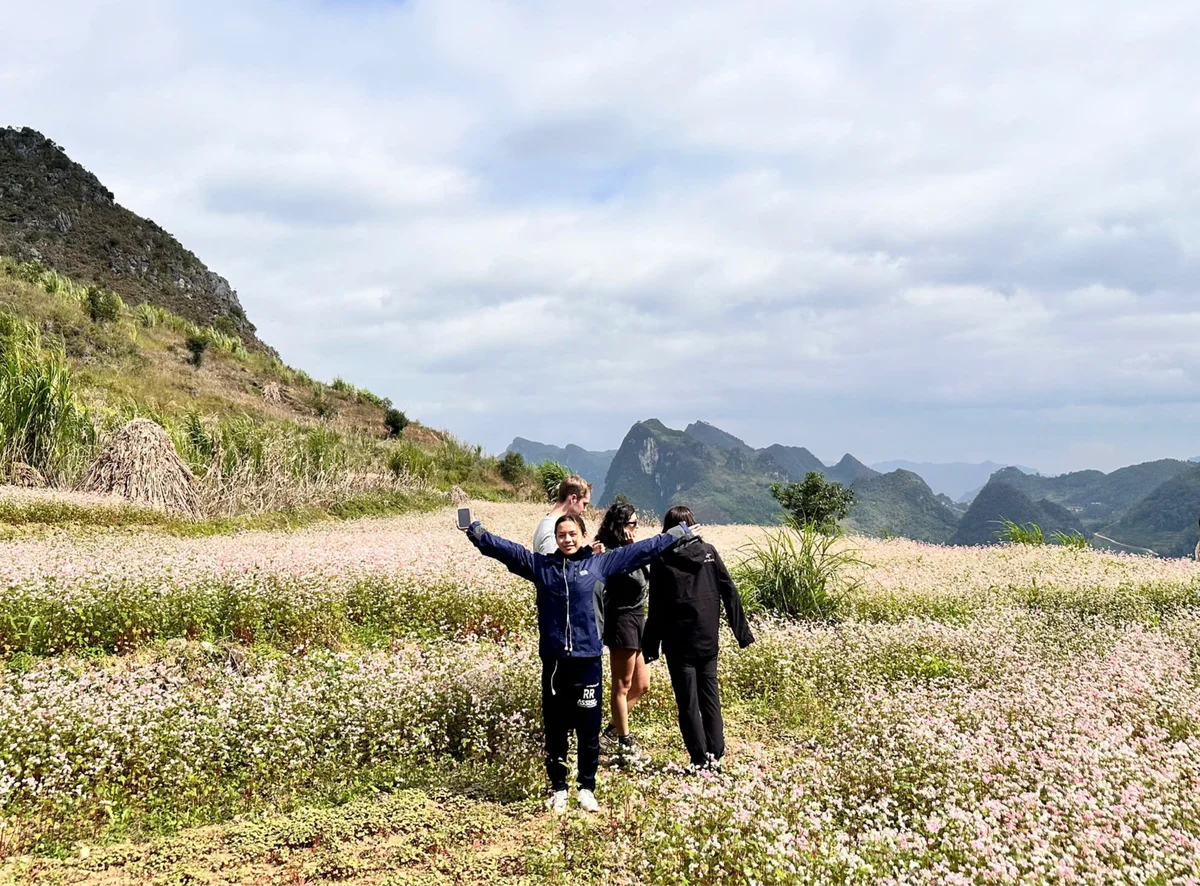 Come and Enjoy the Buckwheat Flower Festival in Ha Giang
'C' Ha Giang Loop FAQs: Culture, Children, Charity & Christmas
9. Culture in Ha Giang
The Ha Giang Loop winds through regions home to the Hmong, Tay, Dao, Lo Lo, and many other ethnic minority groups. These aren’t attractions or photo props—they’re living, working communities.
That’s why Bong Hostel’s Culture Tour exists. It’s designed to slow the Loop down, prioritise village interaction, and help travellers understand daily life here—not just ride past it.
10. Children on the Ha Giang Loop
Kids in Ha Giang are curious, friendly, and often excited to see travellers. Smiles, waves, and high fives are always welcome. Money and sweets are not.
Giving children cash can encourage them to skip school and hang around tourist areas (their parents will even actively send them there for these reasons as well).
The same goes for activities like hair braiding or posing with children holding flowers at places like Tham Ma Pass. These kids should be in school—not working as photo props.
Respect means letting kids be kids, not attractions.
11. Charity Tours with Bong Hostel
If you want to give back while travelling the Ha Giang Loop, there’s a better way than handing out sweets.
Instead, consider joining one of Bong Hostel’s charity-focused Loop tours, which support local schools and communities in a meaningful, responsible way.
These tours are designed with locals, not imposed on them—ensuring help is actually helpful and not performative for tourists’ benefits.
Good intentions matter. Good execution matters more.
12. Christmas on the Ha Giang Loop
Yes, people absolutely ride the Ha Giang Loop for Christmas (especially over the Christmas period).
There’s no snow, but it does get cold—especially in the mornings and evenings. Think crisp air, clear skies, and fewer crowds… plus festive vibes in homestays at night.
Just make sure you pack warm clothing, and embrace the cosy side of winter riding. Cold fingers, hot meals, unforgettable views.
Related article: Best Landscapes on the Ha Giang Loop: 15 Must-See Stops this Winter.
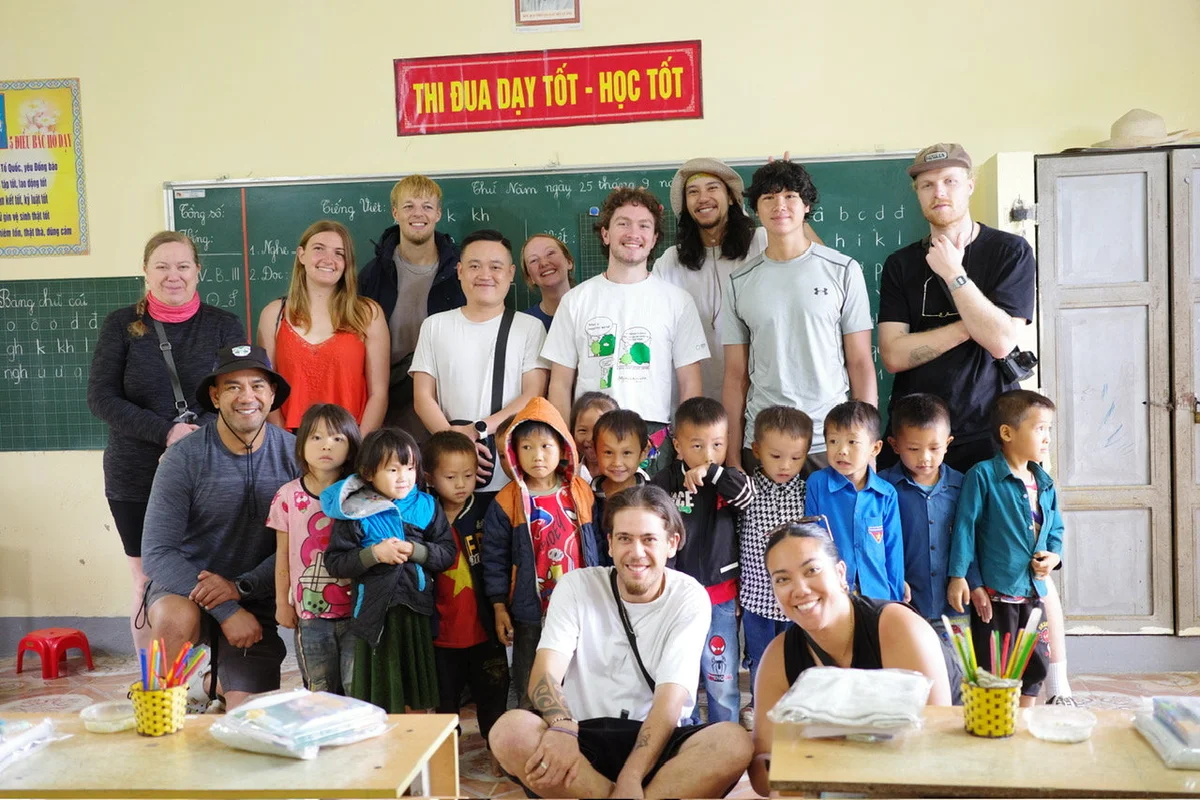 Join a Bong Hostel Charity Tour for a More Meaningful Ha Giang Loop Experience
'D' Ha Giang Loop FAQs: Danger & Discounts
13. Danger (Is the Ha Giang Loop Dangerous?)
The Ha Giang Loop can be dangerous. But honestly most risk comes from rushing, overconfidence, or ignoring local advice.
The single biggest safety factor on the Loop is trusting your driver or guide.
Bong Hostel’s Easy Riders and tour leaders know these roads personally—where they flood, where gravel collects after rain, and where visibility suddenly drops.
Listening to them, riding at a sensible pace, and respecting their instructions dramatically reduces risk.
14. Discounts with Bong Hostel
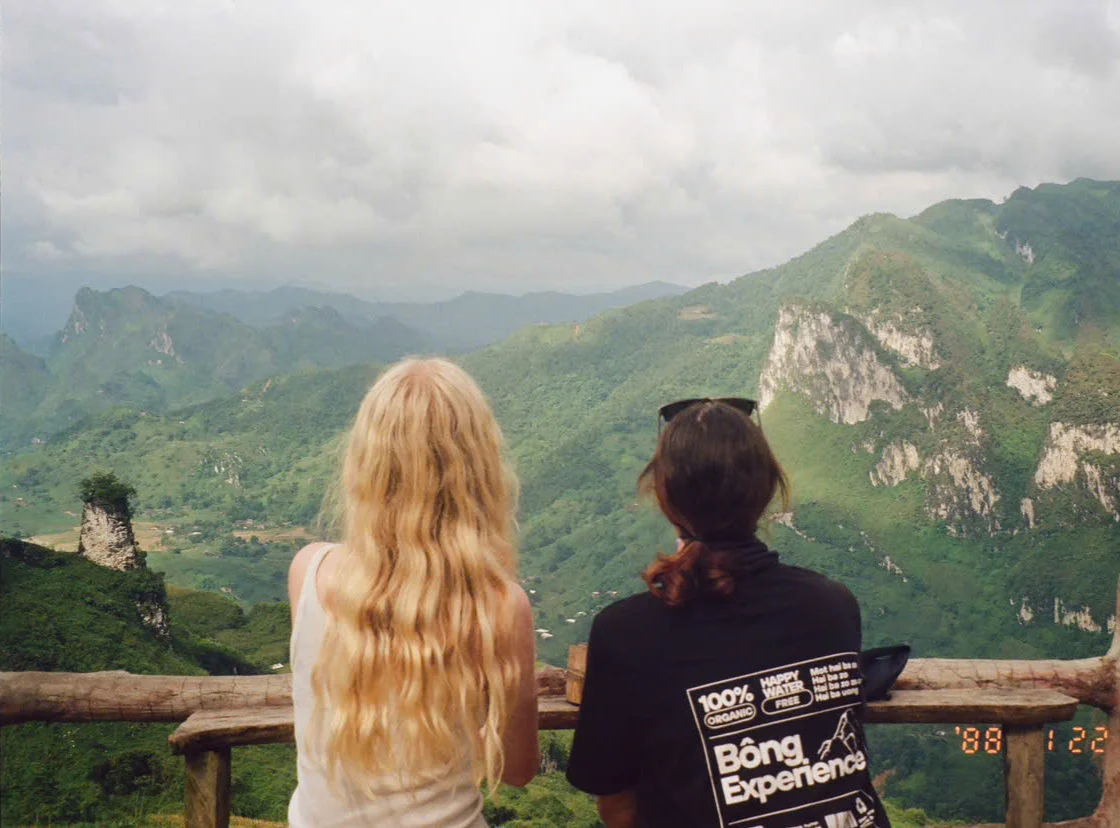
Group bookings, longer stays, and shoulder-season travel can mean better prices.
Ask at Bong Hostel Hanoi for information or visit our website.
 Keep a Lookout for Discounts on the Bong Hostel Website
'E' Ha Giang Loop FAQs: Easy Riders & Etiquette
15. Easy Riders on the Ha Giang Loop
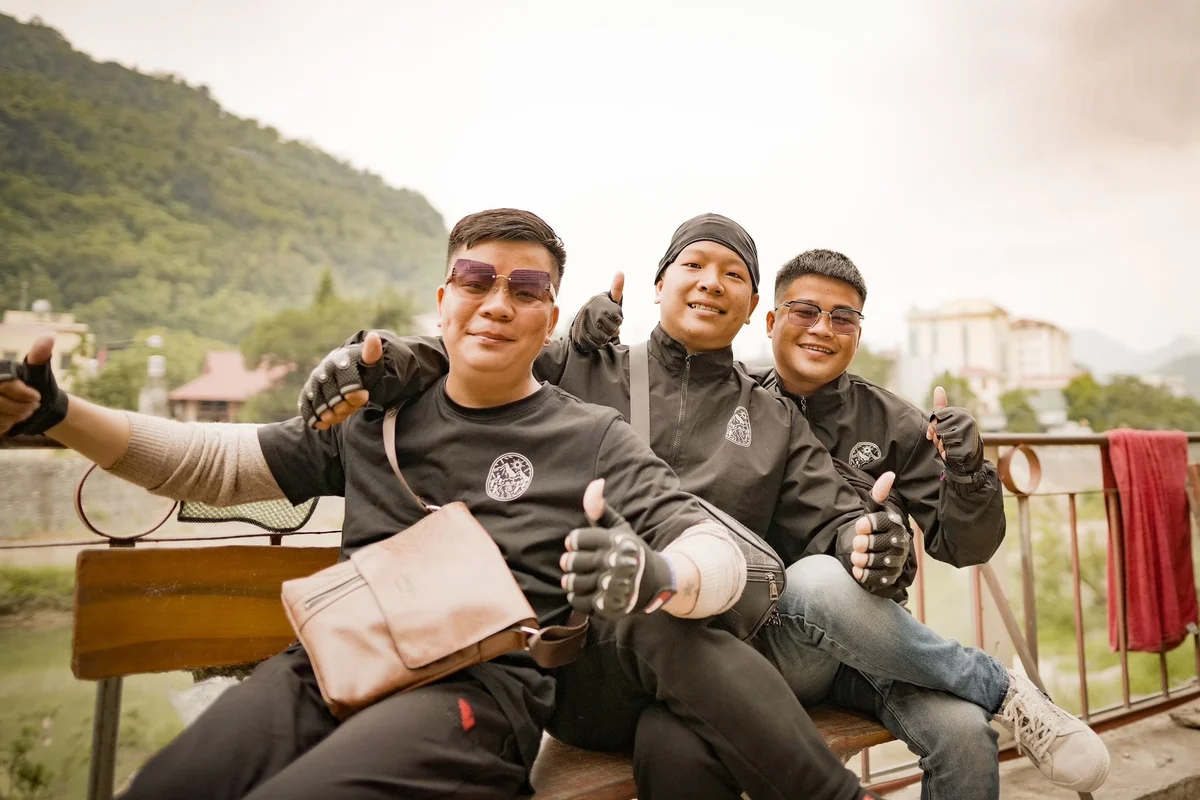
Hiring an Easy Rider means you experience the Ha Giang Loop with a local driver—someone who knows the roads, the shortcuts, the weather patterns, and the safest pace to ride.
But they bring more than just technical skill. Easy Riders often become:
Your princess treatment provider.
Your translator and cultural bridge.
Your concerned auntie when it’s cold.
Your hype person and personal photographer at viewpoints.
And very often, your new best friend.
They handle the riding so you can focus on the views, the villages, and the experience itself—no stress, no white-knuckling mountain passes.
Vietnam Traffic Laws also have a strict zero-alcohol policy for drivers, which means you never have to worry about how much Happy Water you had the night before.
16. Etiquette (Being a Responsible Tourist in Ha Giang)
Respect goes a long way on the Ha Giang Loop—especially in homestays and villages.
Dress modestly, keep your voice down, don’t point with your feet, and avoid touching people’s heads. In homestays, remember that you’re staying in someone’s family home, not a chain hostel.
This is also why karaoke ends at 10 pm. Early mornings, working families, and local communities come first. Being loud or rude late at night isn’t “fun travel energy”—it’s disrespectful.
If you treat people and places with care, you’ll be welcomed warmly everywhere you go.
Related article: Cultural Etiquette in Vietnam: 20 Dos and Don'ts for Respectful Travel.
 Ha Giang Loop Easy Riders
'F' Ha Giang Loop FAQs: Food, Festivals & First-Time Riders
17. Food (What will I be Eating on the Ha Giang Loop?)
Meals on the Ha Giang Loop are hearty, filling, and designed to refuel tired riders. Expect rice, vegetables, tofu, soups—all shared, family-style.
You’ll also see familiar comforts like spring rolls, and yes—even the occasional plate of french fries.
Have dietary requirements? No problem.
Bong Hostel can cater for vegetarian, vegan, and most allergies—just let us know in advance so we can plan properly and remind your Bong Hostel Tour Leader along the way.
18. Festivals in Ha Giang
Festivals add color and meaning to the Ha Giang Loop—but timing matters.
Travelling during Lunar New Year (Tet) is generally not recommended. Transport is limited, many businesses close, and tours may not operate.
If you’re visiting around this time, plan well in advance and expect delays.
Other festivals you can experience on the Loop include:
Hmong New Year (late November–December).
Local harvest festivals (September–October).
Buckwheat Flower Festival (October–November).
Lunar calendar market days in Dong Van and Meo Vac.
These events offer a deeper glimpse into local life—just be prepared for busier roads and slower travel days.
Related article: The Best Festivals on the Ha Giang Loop in 2026.
19. First-Time Riders
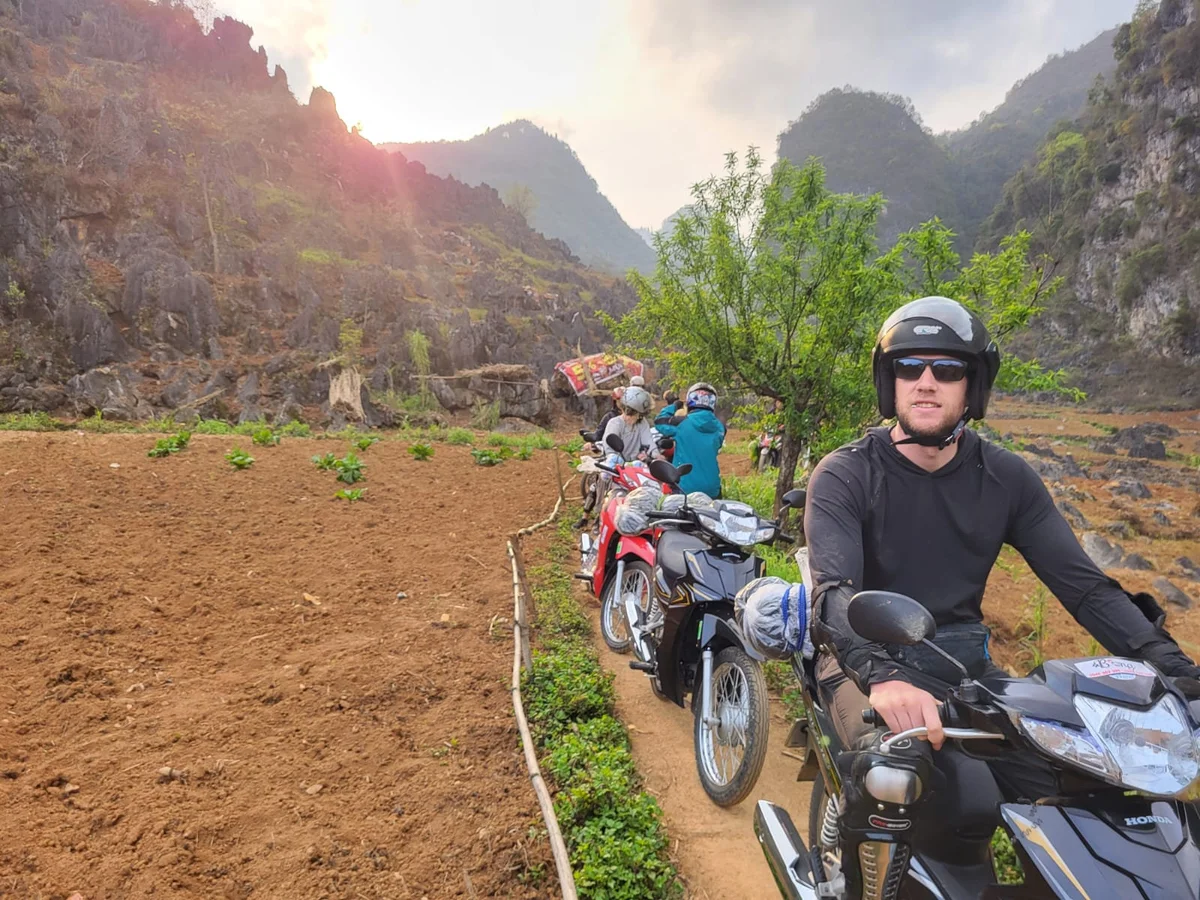
If you’re a first-time rider, the Ha Giang Loop is not the place to learn to drive a motorbike.
We strongly strongly recommended hiring an Easy Rider instead—especially depending on the time of year.
During the summer months, heavy rain can cause landslides, mud, and flood-damaged roads. Even confident riders can struggle in these conditions.
But confidence without skill is also risky. Ha Giang’s steep mountain passes, changing weather, and unpredictable road conditions require experience, patience, and adaptability.
Choosing an Easy Rider for first-time riders isn’t a “cop out” or the “easy option”—it’s the smart one.
 We Don't Recommend Driving the Ha Giang Loop as a First-Time Rider
'G' Ha Giang Loop FAQs: Google Maps, Translate, Games & Groups
20. Google Maps
Google Maps can be helpful on the Ha Giang Loop (I like to drop pins at my favorite spots)—but it should never be your primary decision-maker.
Road conditions change quickly due to weather, construction, or landslides. A route that looks fine on your phone may be muddy, damaged, or completely blocked in real life.
Local knowledge matters far more than a few squiggly lines on a screen.
This is why booking a guided tour (whether that’s a private tour with just you and your mates or a group tour to meet other travelers) and following your guide’s instructions is always safer than trusting navigation apps.
They know which roads are passable today, not just which ones exist digitally.
Related article: Mistakes When Planning the Ha Giang Loop and How to Avoid Them.
21. Google Translate (And a Little Tieng Viet 101)
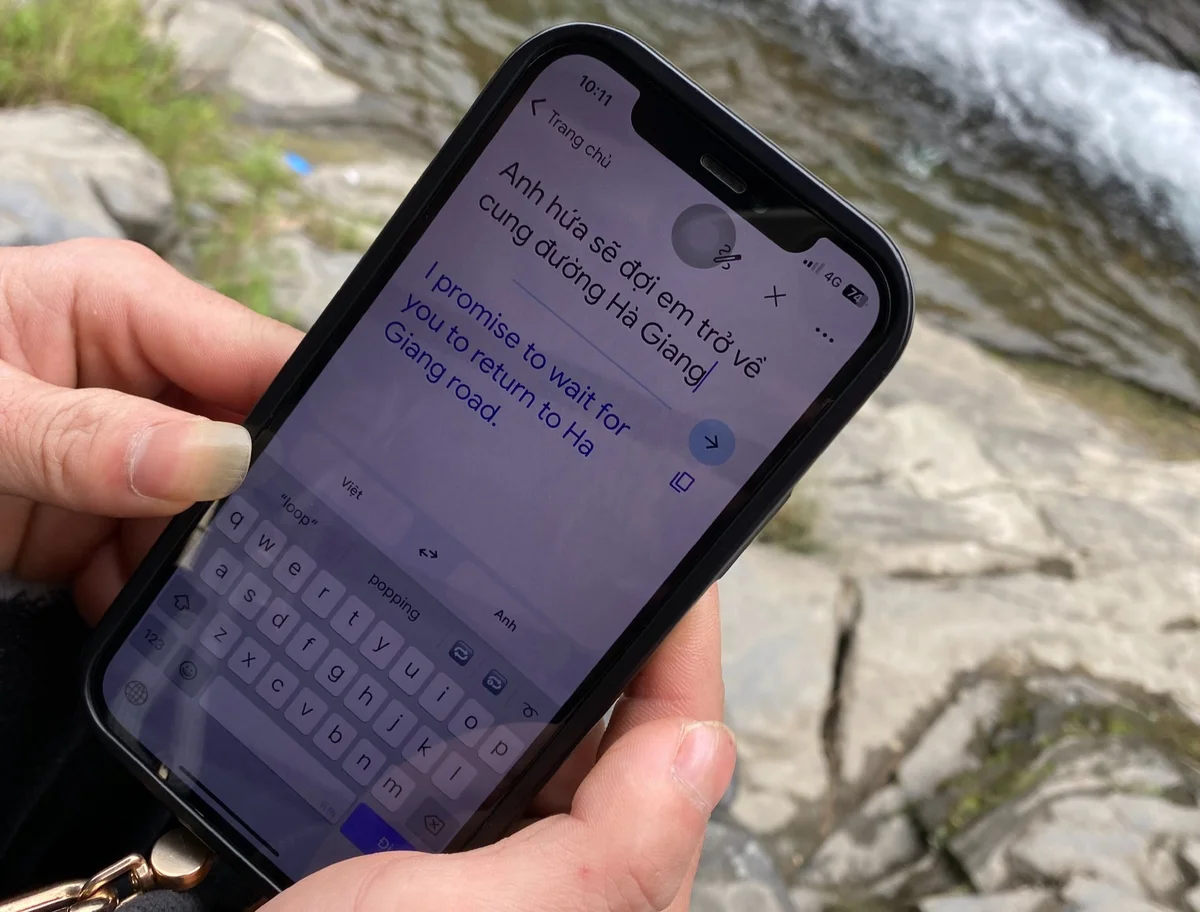
Downloading Vietnamese offline on Google Translate is incredibly useful—especially for menus, signs, and conversations with your Easy Rider.
That said, learning a few simple phrases also goes a long way. Try these:
Hello – Xin chào (sin chow)
Thank you – Cảm ơn (gahm uhn)
Sorry / Excuse me – Xin lỗi (sin loy)
Where is the toilet? – Nhà vệ sinh ở đâu? (nya veh-sing uh dow?)
Delicious! – Ngon quá! (ngon kwa!)
Stop, please – Dừng lại (zoong lie)
Beautiful! – Đẹp quá! (dep kwa!)
See you later – Hẹn gặp lại (hen gap lie)
A polite greeting or thank-you often earns smiles, patience, and better interactions.
22. Games
Throughout the day, Bong Hostel Easy Riders will often enjoy a bit of kicking shuttlecock (đá cầu) on the roadside—if you want to get involved go for it, they love watching you try (and sometimes fail).
At homestays, we also organise simple group games—card games, shared challenges, and billiards. It’s low-pressure, inclusive, and a great way to break the ice after a long ride.
23. Groups (How we Create our Groups and Group Sizes)
Group dynamics can make or break a Loop experience—and we take this seriously.
Bong Hostel does not split groups by nationality or ethnicity, unlike some operators.
Instead, we mix everyone together so you travel with people from all over the world—exactly how travel is meant to be.
Our typical group size is around 8–12 people, which keeps things social without feeling overwhelming.
At homestays, groups often come together with a few other Bong tours, creating a lively but comfortable atmosphere.
If you’re looking for something quieter or more tailored, we also offer:
Private tours.
Culture Tours.
Secret Tours.
These options keep group sizes smaller and focus more deeply on local life and off-the-beaten-path routes.
Related article: Why You Should Book a Group Tour for the Ha Giang Loop.
 Downloading Vietnamese offline on Google Translate for cute translations like this
'H' Ha Giang Loop FAQs: Happy Water, Helmets & Harvest Season
24. Happy Water
Happy Water is local rice wine—and it’s much stronger than it tastes.
It’s often shared as a sign of hospitality, especially during dinners.
Accepting a sip is polite. Inviting an Easy Rider or your Tour Leader to drink with you is even more polite. But pacing yourself is essential.
Don’t mix it with too much beer unless you enjoy headaches, and always drink plenty of water alongside it.
Remember: you’ll need to be ready to ride again early the next morning. Keeping everyone waiting because you can’t shift the hangover is not good group etiquette.
25. Helmets
Helmets are not optional on the Ha Giang Loop.
Bong Hostel provides quality, well-maintained helmets, and wearing one is mandatory on all our tours.
If your helmet feels slightly loose, wearing a thin hat or liner underneath can help improve the fit—though most helmets fit well as they are.
This isn’t about rules for the sake of rules. It’s about protecting you on unpredictable mountain roads, where conditions can change quickly.
26. Harvest Season
From September onwards, the rice terraces turn golden and villages come alive with harvest activity.
It’s one of the most beautiful times to do the Ha Giang Loop—but also one of the busiest for local communities.
This is a time for patience and respect. Roads may be congested, and villages are focused on farming rather than tourism.
When possible, your tour leader may even arrange opportunities to observe or help with simple farming tasks, offering a rare and meaningful insight into local life.
It’s a reminder that the landscapes you’re admiring are also someone’s livelihood.
Related article: The Best Rice Terraces to See in North Vietnam During Harvest Season (2025 Edition).
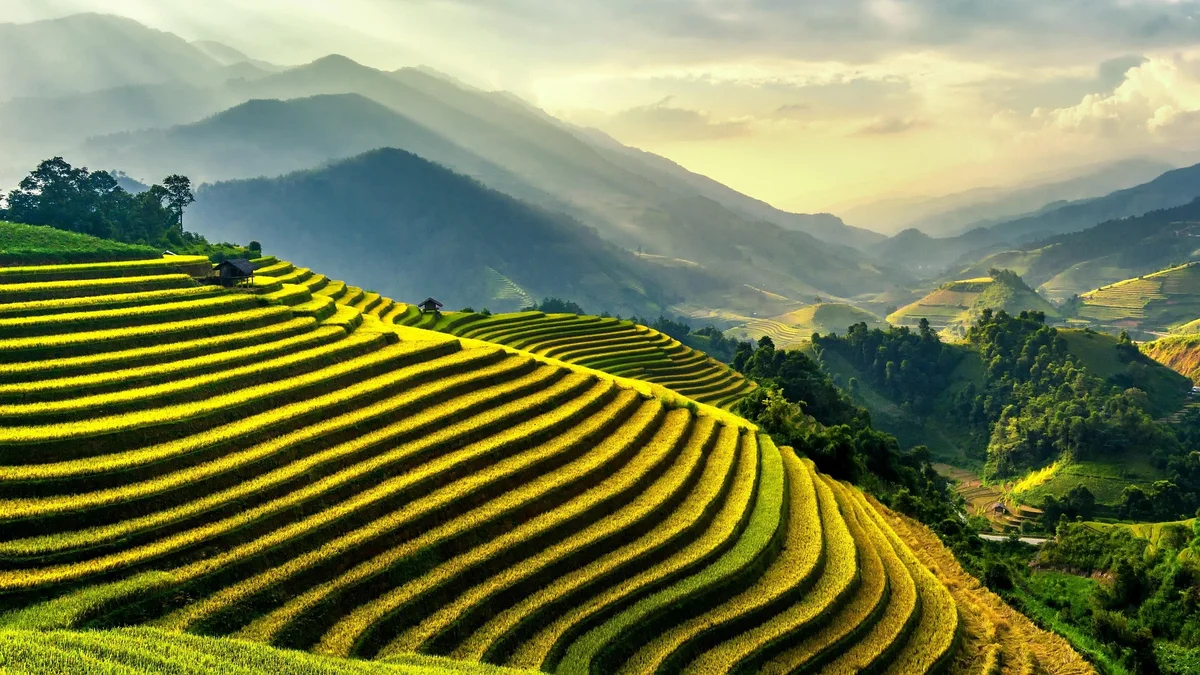 Terraced Rice Fields in Ha Giang During Harvest Season
'I' Ha Giang Loop FAQs: Information, Indigo Dye & Instagram
27. Information
There is a lot of Ha Giang Loop advice online—and not all of it is accurate.
Routes change, laws change, conditions on the Loop can shift overnight due to weather or road works. (Heck even whole provinces change!)
The most reliable information always comes from those who live and work here, not influencers passing through for a few days.
If you’re unsure about anything—weather, routes, safety, or timing—ask Bong Hostel. Local knowledge will always beat online guesswork (unless it's this online blog, of course).
Check out our full Travel Blog here: Ha Giang loop tips | Travel guide | Bong Ha Giang hostel.
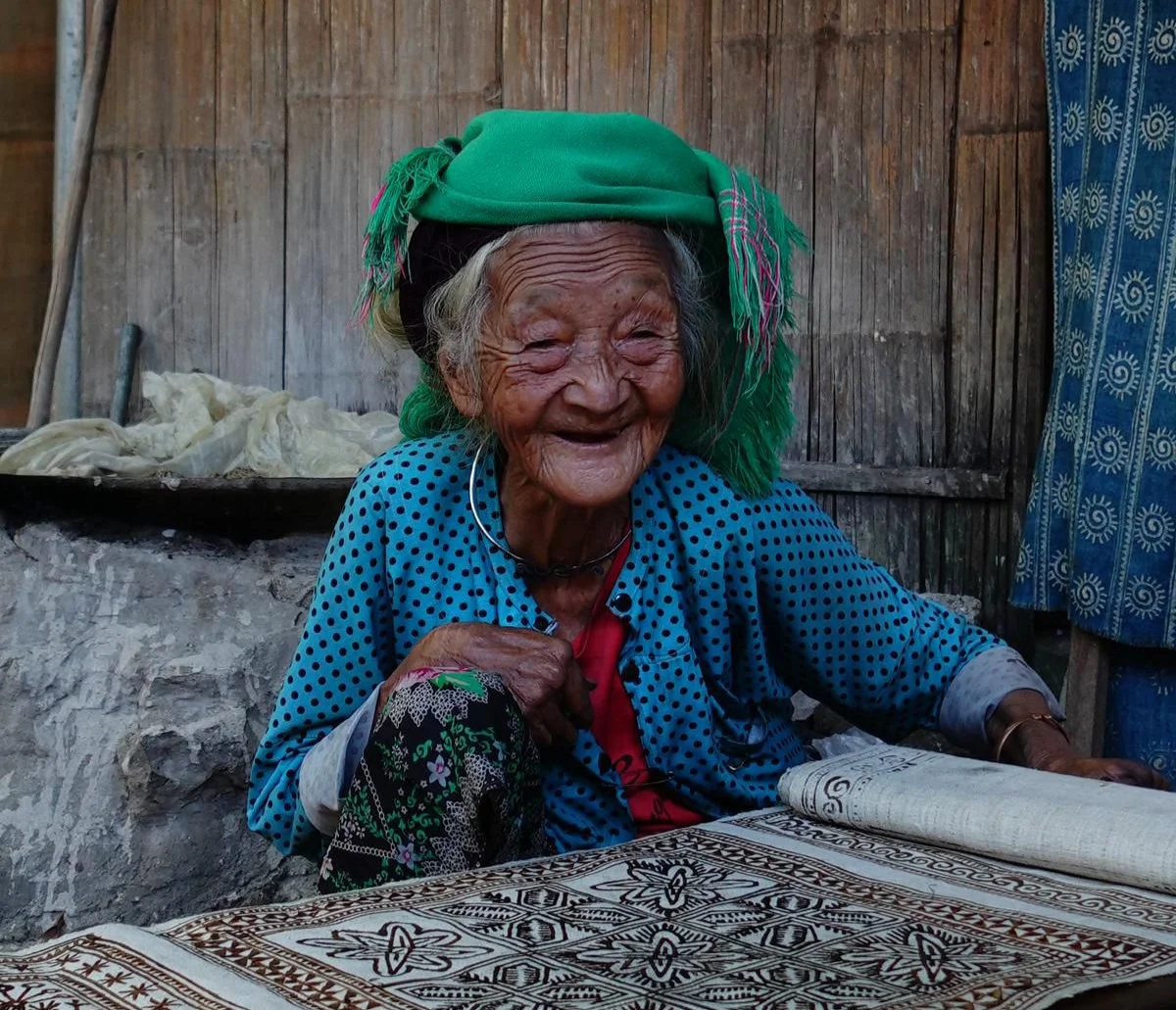
28. Indigo Dye
Traditional Hmong textiles are dyed using indigo plants grown and processed locally.
The deep blue fabrics you’ll see aren’t factory-made souvenirs—they’re part of a long-standing cultural practice passed down through generations.
If you choose to buy textiles, buying directly from villages or local markets helps support artisans and keeps these traditions alive.
29. Instagram
Yes, the Ha Giang Loop is wildly photogenic—but safety always comes first.
If you want real-time updates, follow Bong Hostel on Instagram. We regularly post:
Daily weather updates.
Road condition changes.
Behind-the-scenes Loop life.
And yes… occasional Easy Rider content.
You might even spot your Easy Rider on our feed.
P.S. Yes—he probably does have a new favorite passenger now.
'K' Ha Giang Loop FAQs: Karaoke
30. Karaoke on the Ha Giang Loop
Here’s a heads-up on Ha Giang Loop karaoke:
Karaoke will happen.
Usually in a homestay but sometimes in coffee shops.
Always after dinner (and a little liquid courage, A.K.A., Happy Water!).
Participation is encouraged but never mandatory. Talent is optional. Enthusiasm is appreciated.
And yes, your Easy Rider is secretly better than you!
Just remember karaoke ends at 10 pm—because you’re staying in local villages, not a nightclub.
Fun fact on Karaoke:
I recently overheard some travellers saying the Ha Giang Loop has been ruined because a few viewpoints now play loud music and karaoke.
I had to laugh—because I rode the Loop years ago, and guess what? It was exactly the same.
Karaoke isn’t a tourism gimmick here. It’s a core part of Vietnamese culture. Some villages along the Loop have very little yet still own a surprisingly high-tech karaoke machine.
That’s because the whole community often pools money to buy one, then shares it for weddings, festivals, family gatherings, and any excuse to celebrate.
So no—karaoke doesn’t signal the downfall of the Ha Giang Loop.
It was here long before travellers “discovered” Ha Giang, and it’ll still be echoing through the mountains long after you’ve gone home.
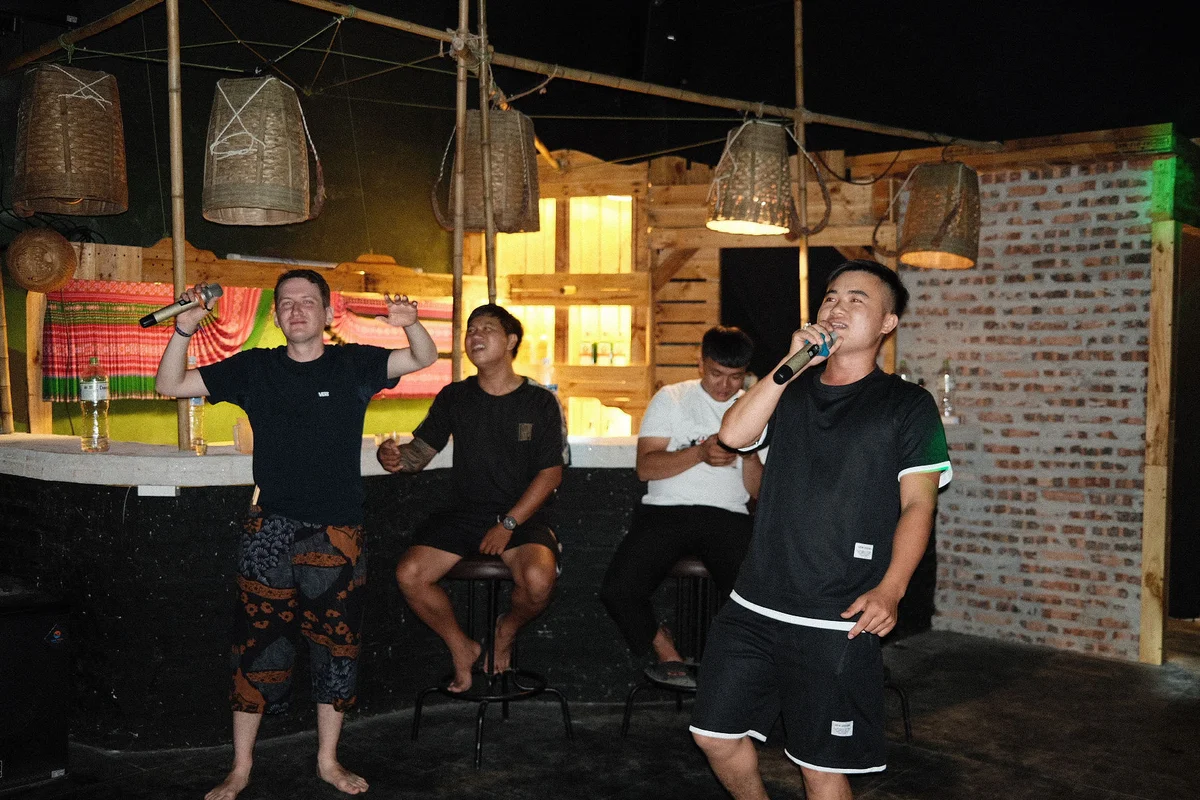 Are you Ready to Sing Karaoke on the Ha Giang Loop?
Continue Reading About Ha Giang Loop FAQs...
To continue reading part 2 of our ultimate guide on questions backpackers ask before doing the Ha Giang Loop, click here:
Ha Giang Loop FAQs: 65+ Questions Backpackers Ask Before Doing the Loop (A–Z Guide: Part 2).
Or if you’re ready to experience the Ha Giang Loop the right way—safely, responsibly, and with people who genuinely care—book with Bong Hostel.
We’ll take care of the rest.
About Faye Hilling
Travel writer and Vietnam explorer sharing authentic experiences and insider tips for discovering the beauty of Vietnam.