

The Best Festivals on the Ha Giang Loop in 2026
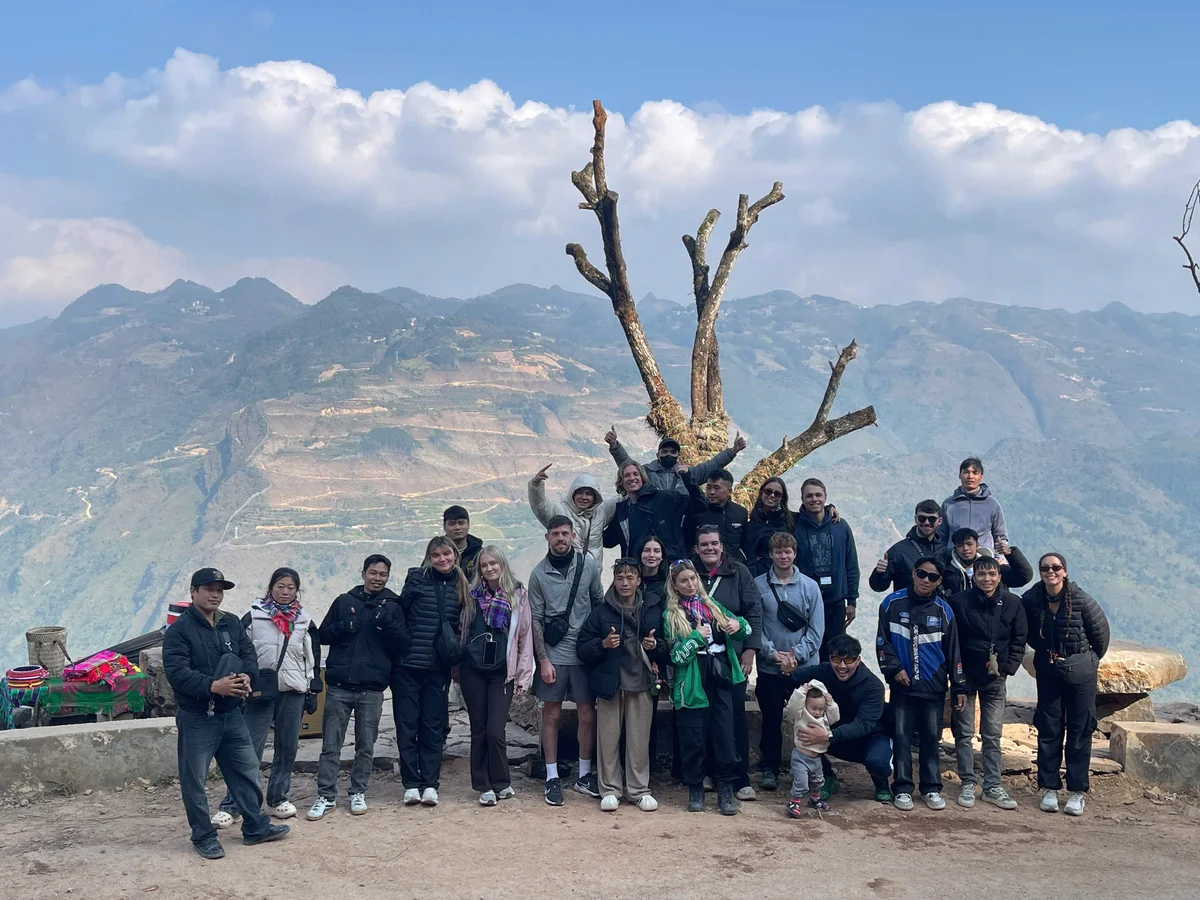
The Ha Giang Loop isn’t just Vietnam’s most dramatic motorbike route—it’s a cultural corridor, home to 19+ ethnic groups and centuries-old celebrations.
If you're planning your 2026 Vietnam itinerary, this is the year to go deeper than the viewpoints and explore the best festivals on the Ha Giang Loop that most travellers never get to see.
From fire dancing ceremonies to love-finding markets, ancestral worship to harvest celebrations, Ha Giang’s festival calendar is packed with color, music, spirituality, and meaning.
This guide breaks down the biggest and most culturally significant ethnic minority festivals in Ha Giang—what to expect, how to visit respectfully, and which events travellers can join.
If you want the most authentic version of the Loop, this is it.
Best Festivals to See on the Ha Giang Loop in 2026
Below are the most meaningful and visually stunning festivals happening on the Ha Giang Loop in 2026
1. Du Stem Festival
Date: Early spring (January–February)
Ethnic Group: Nung people
Where: Nung villages in Quan Ba and Yen Minh
Cultural Meaning
A community festival that celebrates gratitude to ancestors, unity within families, and blessings for the farming year ahead.
What Actually Happens
Incense offerings
Traditional Nung singing
Communal meals
Drumming performances
Blessings for fields and animals
What Travellers Can Expect
A quieter, more intimate festival with strong cultural symbolism.
How to See It on the Loop
Look for Nung communities near Quan Ba Heaven’s Gate. Alternatively, join the Bong Hostel Secret Tour to visit a Nung An community in Cao Bang.
Related article: Ha Giang Loop Culture Guide (2025–2026) | Best Cultural Tour in Ha Giang.
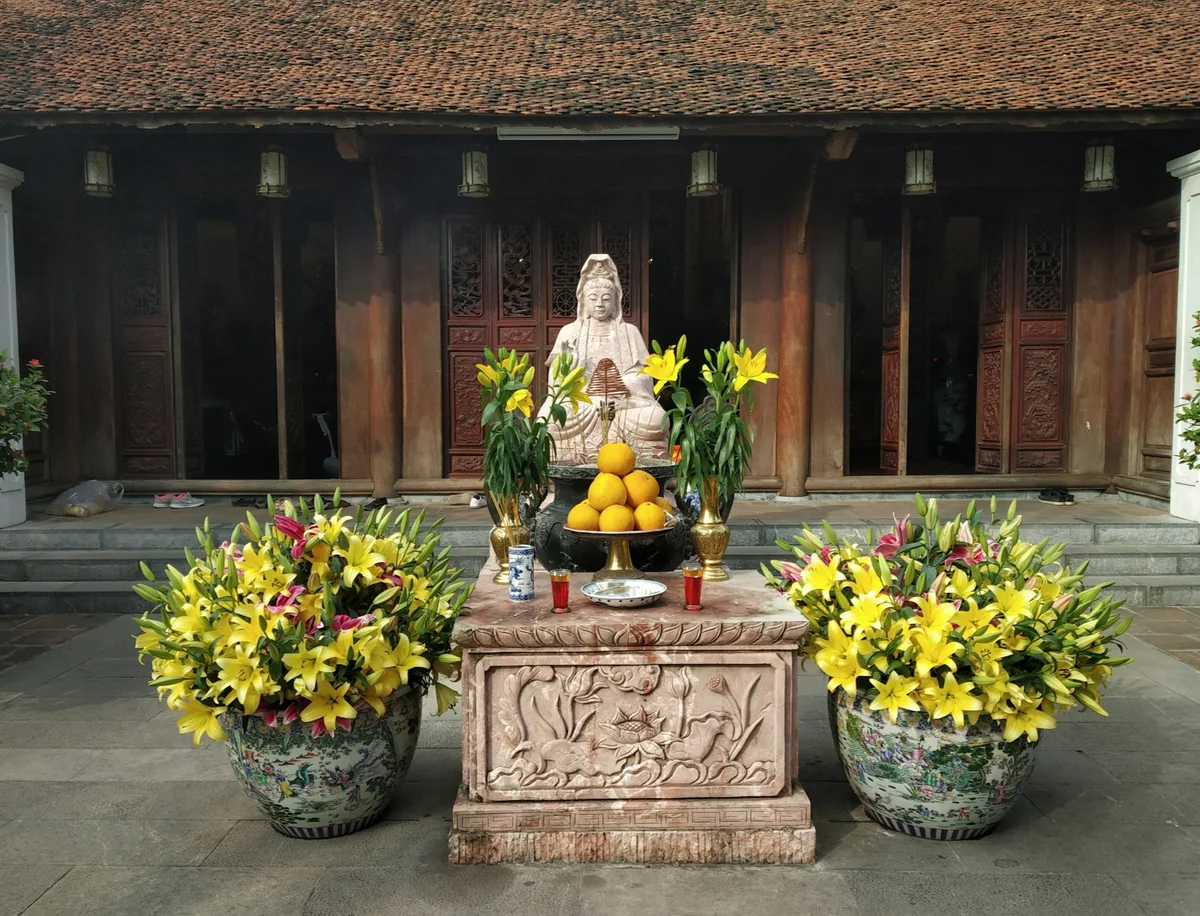
2. Gau Tao Festival (Hmong Plea Ritual Festival)
Date: First 12 days of the 1st lunar month → February 1–12, 2026
Ethnic Group: Hmong
Where: Dong Van, Meo Vac, Quan Ba & Yen Minh
Cultural Meaning
The Gau Tao Festival is an ancient Hmong ritual originally performed by families praying for:
Fertility
Health
Good harvests
Family blessings
Protection from misfortune
The festival traditionally began as a thank-you ceremony after a vow was fulfilled. Today, it is still deeply spiritual but also serves as a communal celebration of Hmong culture and identity.
What Actually Happens
Shamanic rituals
Offerings at the Gau Tao pole
Flute performances, drum dancing, folk singing
Horse racing, crossbow competitions, climbing games
Young people meet and flirt through singing and games
What Travellers Can Expect
Colorful outfits, energetic crowds, intimate rituals, and real community spirit—one of the least commercialised festivals in Vietnam.
How to See It on the Loop
The location changes yearly. Ask Bong Hostel to help you locate which village is hosting a Gau Tao festival this year.
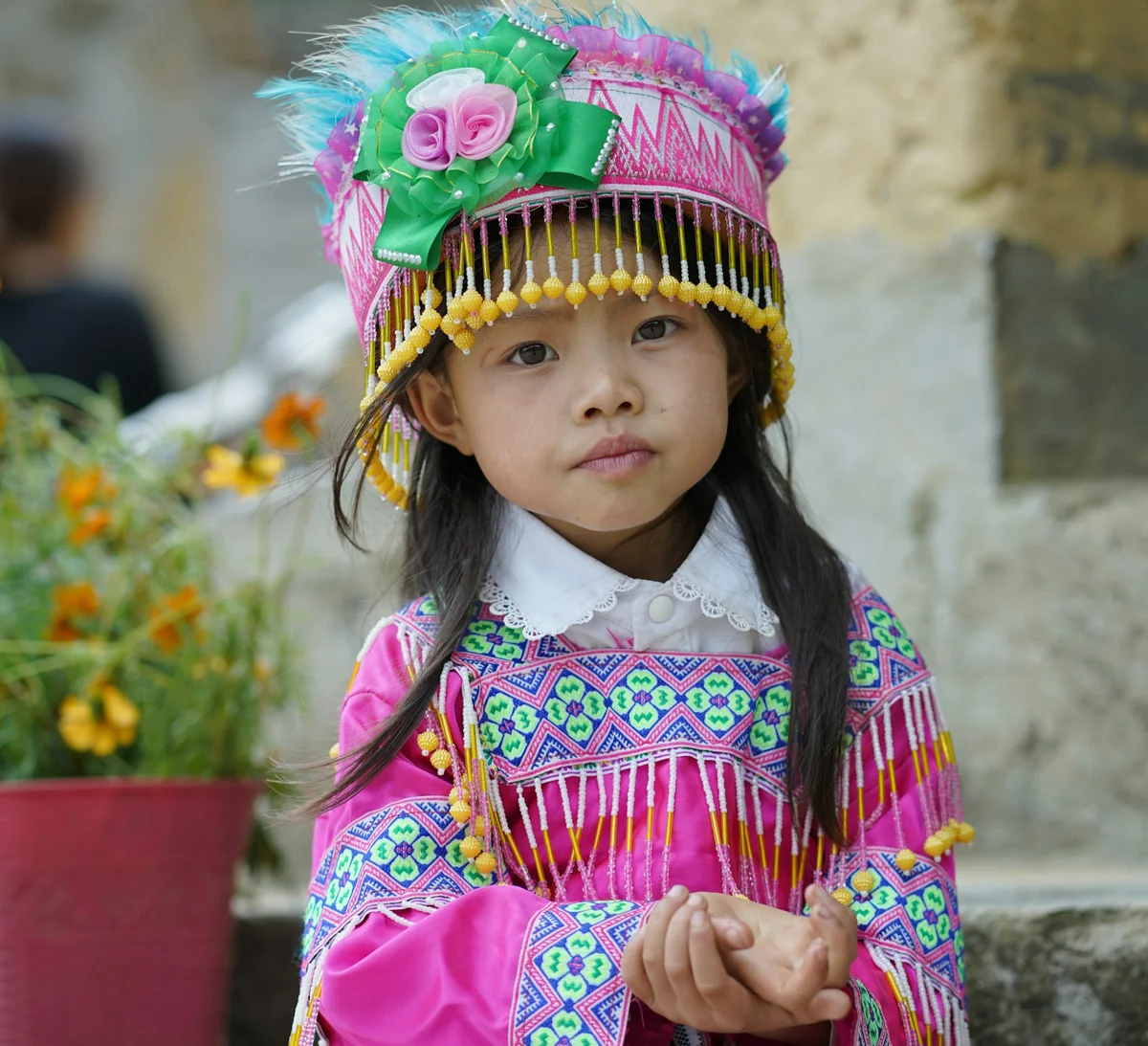
3. Lunar New Year (Tết Nguyên Đán)
Date: 1st day of the Lunar New Year → February 17, 2026
Ethnic Group: Celebrated by every ethnic community in Ha Giang
Where: Everywhere on the Ha Giang Loop
Tết Holiday is the most important festival in Vietnam—a spiritual reset. Communities clean their homes, pay debts, honor ancestors, and welcome a new year with fresh energy.
Among the Hmong, Tay, Nung, Dao, and Lo Lo, Tết also marks the beginning of agricultural season and the start of matchmaking rituals.
What Actually Happens
Families prepare huge feasts of pork, sticky rice, chicken, and corn wine
Ancestor altars are decorated with incense, fruit, and ritual paper
Villages beat drums and fire ceremonial paper firecrackers
Children receive lucky money
Traditional games, spinning-top battles, dancing, and folk songs fill the streets
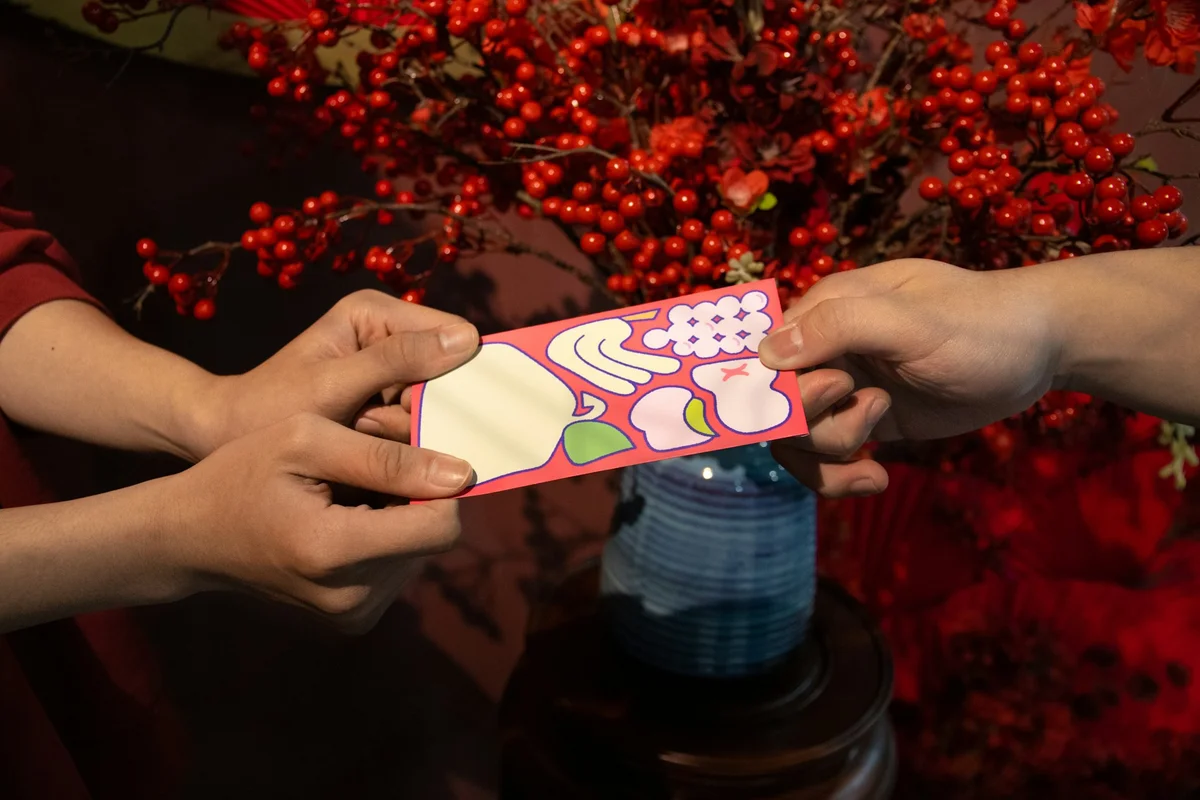
Children Receive Lucky Money on Tet Holiday
What Travellers Can Expect
Tết in Ha Giang is beautiful, but not ideal for travellers. Here’s what actually happens:
❌ Transport shuts down
Buses between Hanoi ↔ Ha Giang are full or cancelled, and ticket prices spike.
❌ Most shops, restaurants, and mechanics close for 5–7 days
If your bike breaks, you may be stuck.
❌ Homestays close to host guests
Local families travel, cook, and host relatives—not tourists.
❌ Markets operate on reduced hours
Supply runs low; food choices become limited.
❌ Sudden road closures
Village gates sometimes close for ritual days, and tourists aren't allowed to enter.
Is Bong Hostel Open During Tet?
When Tết arrives, our entire team returns home—because in Vietnam, this holiday is reserved for family, ancestors, and rest.
That’s why Bong Hostel does not run any tours during this period.
If you see other companies operating, please reconsider joining. Participating in those tours can unintentionally pull staff away from one of the most meaningful celebrations of the year.
Related article: Why You Should Rethink Your Trip to Vietnam During Tet (Lunar New Year).
Should You Travel the Ha Giang Loop During Tết? (Short Answer: No)
It's simple: Do NOT plan your Loop trip during Tết.
While travellers are often invited to drink rice wine, eat holiday food, and join ceremonies, this only happens if you’re already staying with a local family before Tết begins.
Arriving during the holiday is extremely chaotic and often disappointing.
If you want the best experience, visit either:
Before Tết (early February): Festive build-up, open businesses.
After Tết (from March onwards): Fully open, colorful villages, good weather.
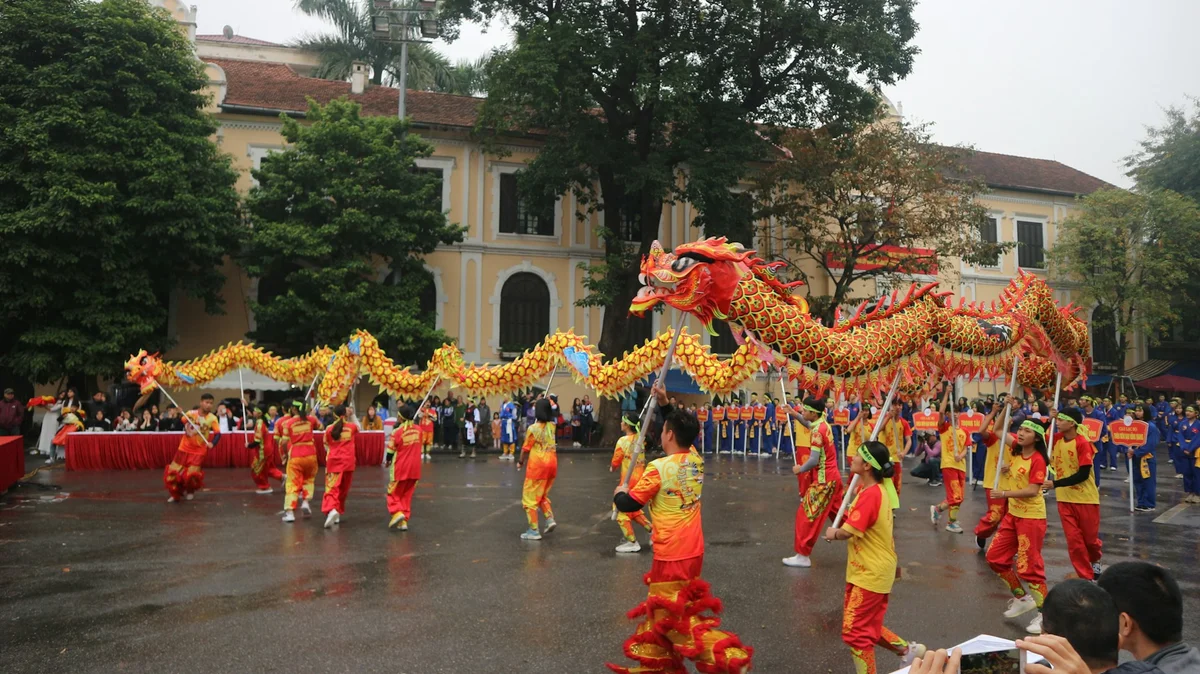
Lion Dances
4. Long Tong Festival (Tay People’s New Year)
Date: 5th–15th day of the 1st lunar month → Late February 2026
Ethnic Group: Tay
Where: Quan Ba, Yen Minh, and Tay villages along the Loop
Cultural Meaning
“Long Tong” translates to “Going Down to the Field.”
This is the Tay people’s new year blessing ceremony for agriculture. It asks for good weather, abundant crops, and community harmony.
What Actually Happens
Procession to the fields
Prayers for the land
Offerings of sticky rice, chicken, incense
Dancing and singing
Tug-of-war competitions
Cloth-ball tossing games
What Travellers Can Expect
It’s a laid-back agricultural festival with traditional costumes, folk music, and village games.
How to See It on the Loop
Plan your route through Quan Ba or Yen Minh in late February.
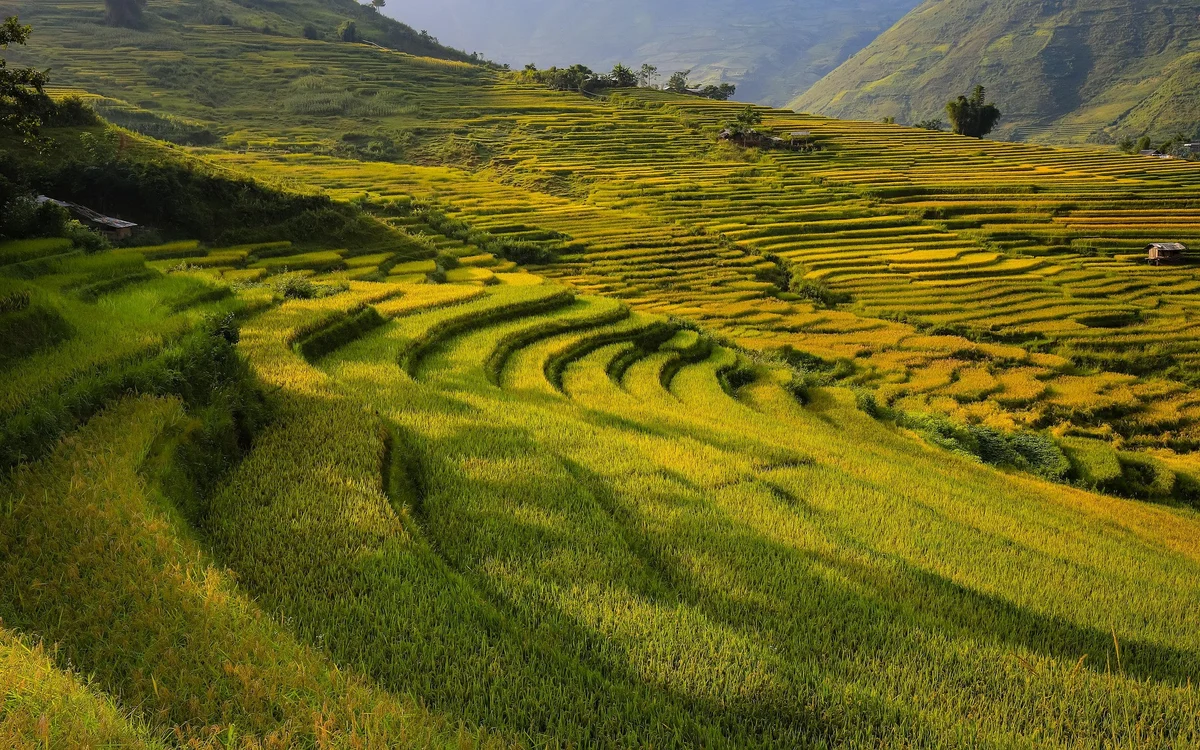
“Long Tong” translates to “Going Down to the Field”
5. Dong Van Karst Plateau Geopark Cultural Days
Date: Varies annually (usually March or April)
Ethnic Group: Multi-ethnic — Hmong, Tay, Lo Lo, Dao, Nung
Where: Dong Van Old Quarter, Dong Van Town
Cultural Meaning
This is Ha Giang’s biggest cultural showcase, created to celebrate the UNESCO Geopark’s heritage—not just its rock formations but its people.
Each ethnic group presents its own clothing, food, dances, and spiritual traditions.
What Actually Happens
Traditional dance performances
Hmong khèn flute shows
Lo Lo drum dances
Food stalls serving buckwheat cakes, thắng cố, sticky rice, corn wine
Craft demonstrations: weaving, indigo dyeing, silver jewellery making
Parades and night markets
What Travellers Can Expect
It’s the best “all-in-one” cultural festival in Ha Giang. If you want colorful photos, this is the one.
How to See It on the Loop
With Bong Hostel we enjoy lunch in Dong Van during our tours. Join us during festival week to witness the celebrations.
Related article: Festivals in North Vietnam: A Guide on Celebrations, Culture, and Chaos.
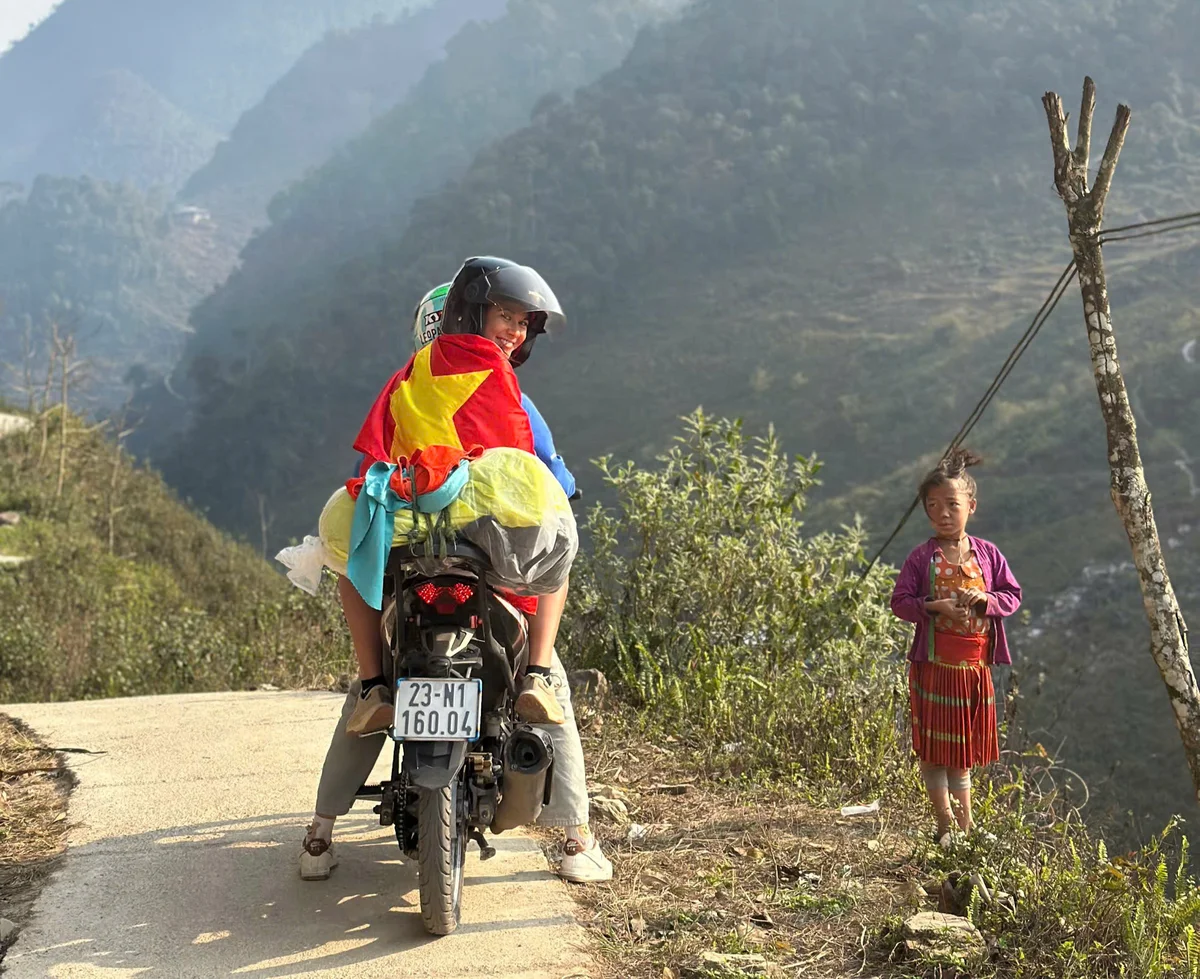
6. Lo Lo Spring Festival
Date: 3rd lunar month → April 2026
Ethnic Group: Lo Lo
Where: Lo Lo Chai (near Lung Cu Flag Tower)
Cultural Meaning
The Lo Lo spring festival marks the end of winter, the welcoming of spring, and gratitude to ancestors for protection.
What Actually Happens
Drum dances
Offerings at ancestral altars
Blessings for new crops
Folk songs
Colorful costumes with heavy silver jewellery
What Travellers Can Expect
One of the most visually striking ethnic minority festivals—the Lo Lo are known for their clothing.
How to See It on the Loop
Visit Lung Cu village and flagpole around early April.
7. Khâu Vai Love Market
Date: 27th day of the 3rd lunar month → May 12, 2026
Ethnic Group: H’mong, Giay, Tay, Nung
Where: Khâu Vai Village, Meo Vac
Cultural Meaning
This famous “love market” began as a reunion day for lovers who, for cultural or family reasons, couldn’t marry.
Instead of being forbidden from seeing each other, they were given one special day each year to reunite, speak privately, sing love songs, and enjoy each other's company.
What Actually Happens
Folk singing duets
Hmong flute performances
Giay love-call songs
Traditional clothing markets
Offerings to local spirits
A big night celebration with food and rice wine
What Travellers Can Expect
The atmosphere is festive, slightly emotional, and absolutely unique—a celebration of love in all its complicated forms.
How to See It on the Loop
It’s easiest to visit if you stay in Meo Vac the night before. Bong Hostel can arrange motorbikes or an easy rider to take you there safely.
Read more about the Khau Vai Love Market... Ha Giang’s Most Unique Festival Explained.
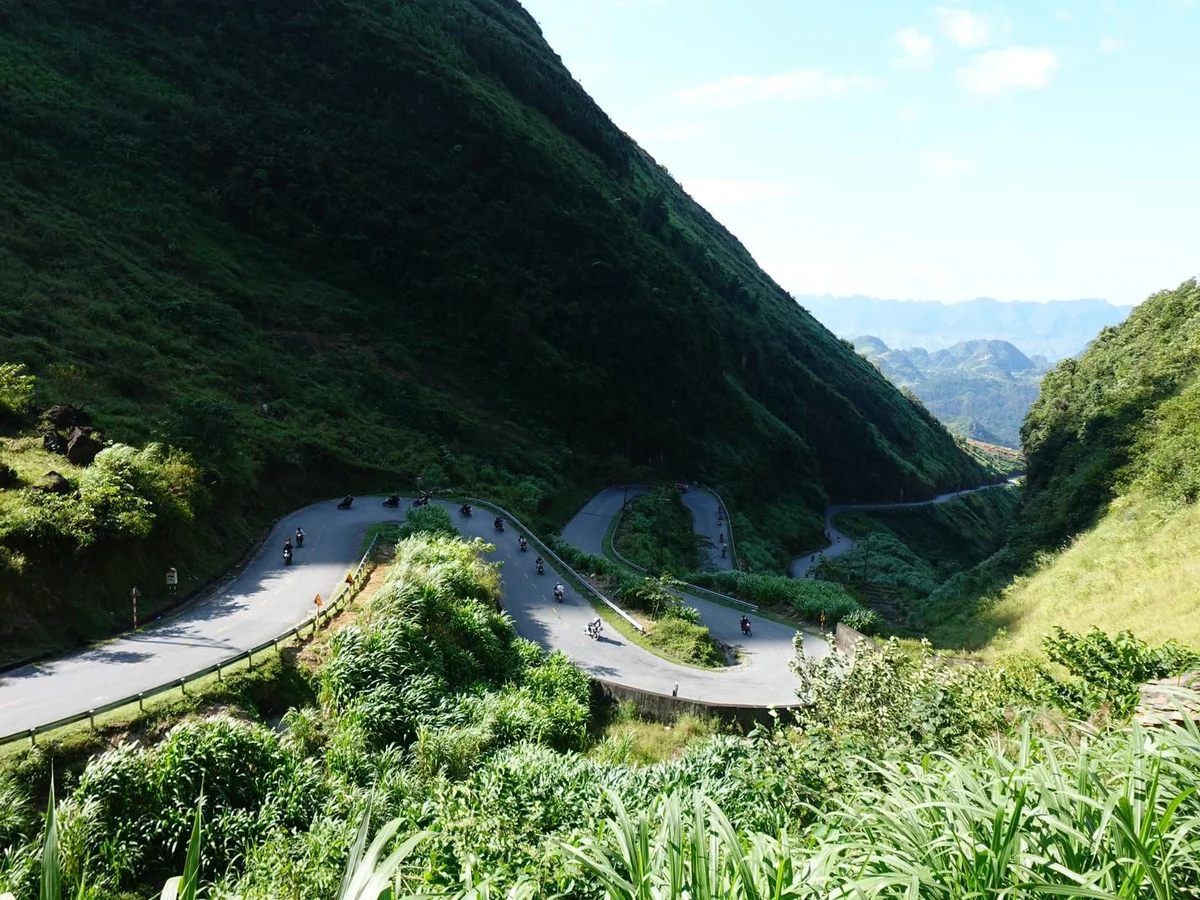
Tham Ma Pass on the Ha Giang Loop
8. Independence Day Celebrations (Vietnam National Day)
Date: September 2, 2026
Ethnic Group: All communities
Where: Dong Van Old Quarter & Meo Vac
Cultural Meaning
Vietnam Independence Day celebrates independence from French colonial rule. In Ha Giang, ethnic communities gather for a rare, united celebration.
What Actually Happens
Parades
Large markets
Outdoor stages with dance and music
Sports competitions
Mountain-style feasts and drinking
What Travellers Can Expect
Big crowds, bold colors, and a brilliant party atmosphere.
How to See It on the Loop
Join a Bong Hostel National Day Ha Giang Loop Tour to learn more about Independence Day.
Book spots early—they fill fast.
9. Mid-Autumn Festival (Tết Trung Thu)
Date: 15th day of the 8th lunar month → September 25, 2026
Ethnic Group: Celebrated nationally; Northern highlands add their own traditions
Where: Dong Van, Yen Minh, Ha Giang City
Cultural Meaning
Traditionally a harvest festival and a celebration of the moon, this day honors children, family, and community spirit.
What Actually Happens
Lantern parades
Lion dances
Mooncake sharing
Drumming performances
Children’s games and masked dances
Market stalls selling paper lanterns, snacks, and toys
What Travellers Can Expect
A lively night celebration with glowing lanterns, loud drums, and playful chaos—especially around Dong Van Old Quarter.
How to See It on the Loop
Stay at Bong Ha Giang Hostel in Ha Giang City on the evening of the 15th lunar day.
This year Bong Hostel is holding a very special Charity Ha Giang Loop tour during the Mid-Autumn period!
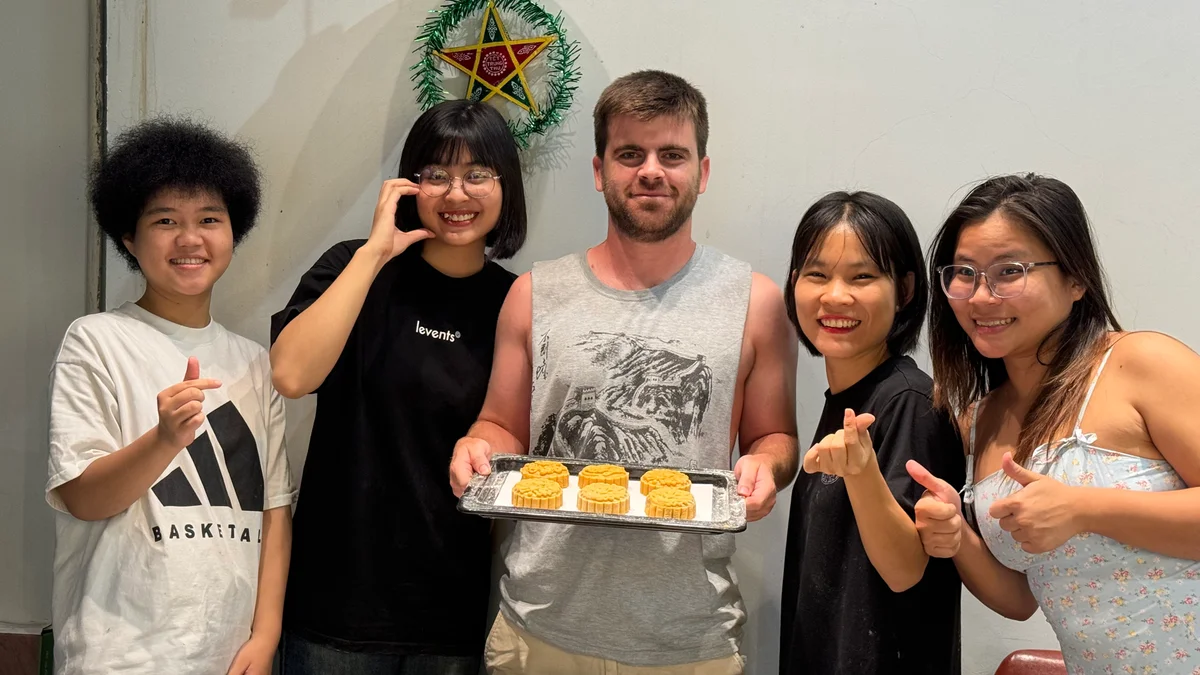
Celebrate Mid-Autumn Festival with Bong Hostel
10. Buckwheat Flower Festival (Triangle Flower Festival)
Date: Mid-October to late November 2026
Ethnic Group: Hmong, Tay, Nung
Where: Entire Loop—especially Dong Van, Lung Cu, Sung La, and Pho Cao
Cultural Meaning
Tam Giác Mạch (buckwheat) was historically a survival crop for the Hmong, grown when corn failed. Today, the flower represents resilience, beauty, and Ha Giang’s identity.
What Actually Happens
Opening ceremony in Dong Van
Music and dance performances
Photo exhibitions
Local food markets (including buckwheat wine and buckwheat cakes)
Paragliding events over buckwheat fields
What Travellers Can Expect
Pink and purple fields rolling into the mountains — it’s Ha Giang’s most famous photo season.
How to See It on the Loop
You will pass buckwheat fields naturally during the Loop; Bong Hostel’s tour leaders know the quiet fields away from the crowds.
Related article: The Best Way to See the Ha Giang Buckwheat Flower Festival.
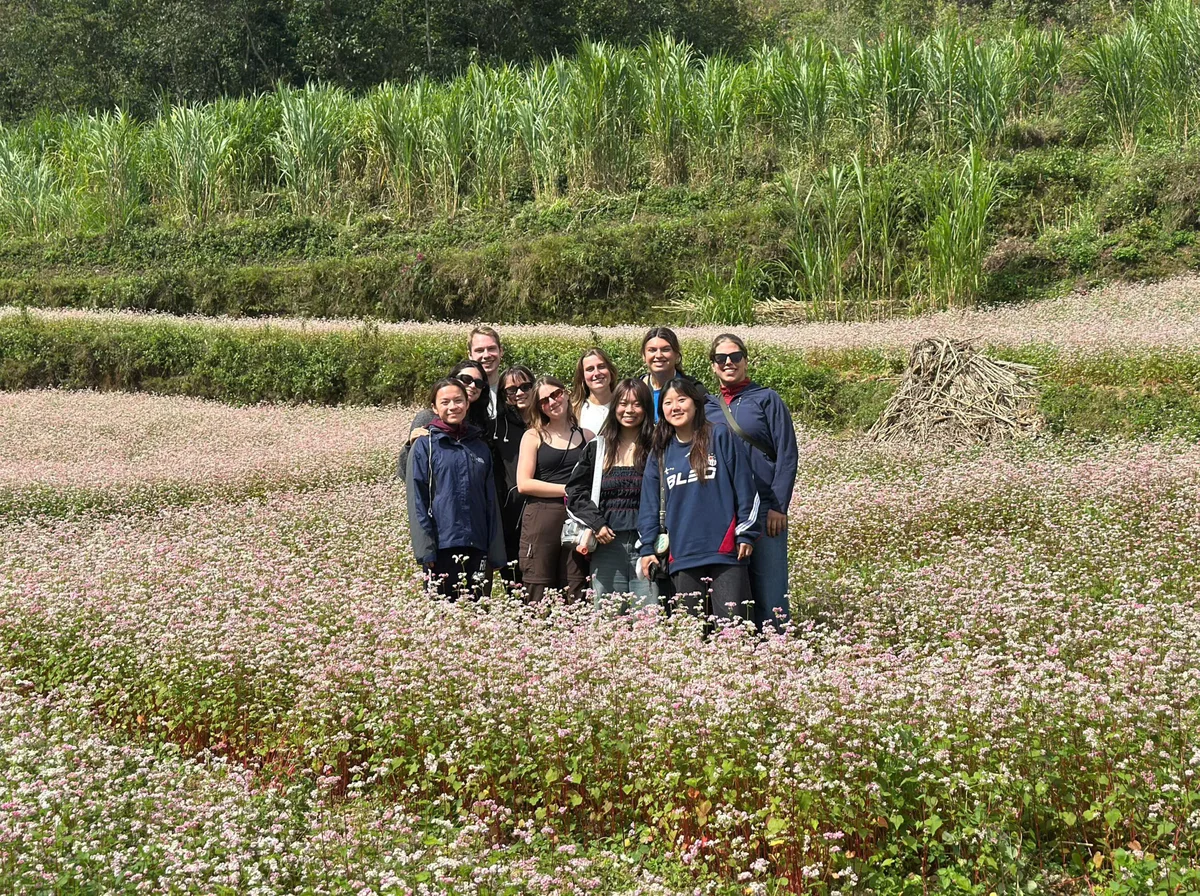
Buckwheat Flower Festival on the Ha Giang Loop
11. Cap Sac Ritual
Date: November–January
Ethnic Group: Dao (Red Dao, Dao Tiên, Dao Ao Dai)
Where: Dao villages in Quan Ba, Hoang Su Phi
Cultural Meaning
A sacred coming-of-age ceremony for boys, giving them the right to take on community responsibilities and be acknowledged by ancestors.
What Actually Happens
Inviting ritual masters
Preparing pigs, wine, and offerings
Series of spiritual rituals
Teachings about morality
Night-long chanting
Blessings with sacred papers
What Travellers Can Expect
This is not a “festival” in the tourist sense—it’s private, spiritual, and powerful. Only visit if invited.
How to See It on the Loop
Bong Hostel guides occasionally have connections with Dao families, but always follow etiquette.
Related article: Why Doing the Ha Giang Loop with an Ethnic Minority Guide is the Ultimate Experience.
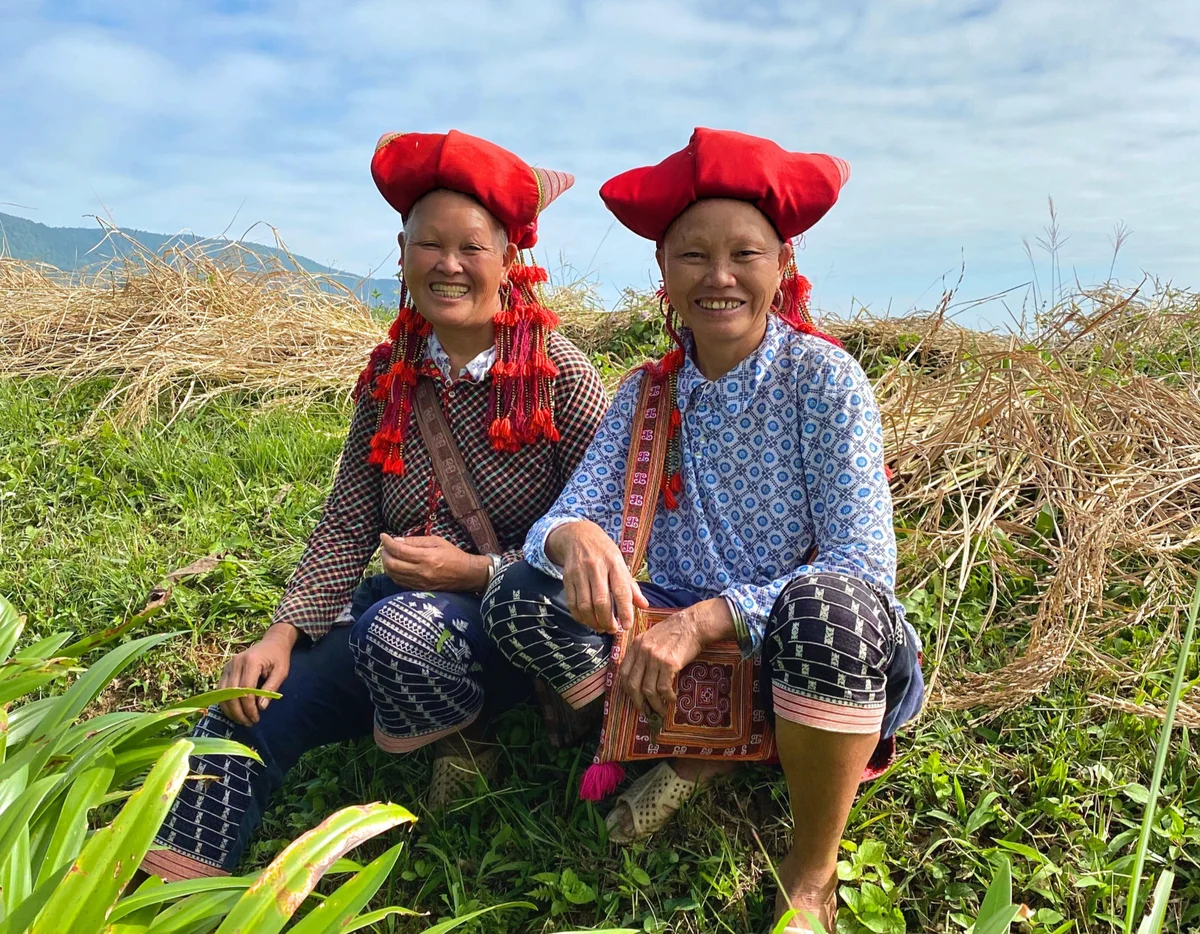
12. Pa Then Fire Dancing Festival
Date: 16th day of the 10th lunar month → November 26, 2026
Ethnic Group: Pa Then
Where: Xin Man & Hoang Su Phi
(We can’t take you there—but it deserves a place on this list)
Cultural Meaning
A ritual of bravery and spiritual connection. The Pa Then believe shamans call upon spirits to give dancers strength to walk on fire unhurt.
What Actually Happens
Drum circles
Shamans summoning spiritual energy
Men dancing barefoot on burning coals
Hours of chanting
Fire pit ceremonies
What Travellers Can Expect
The Pa Then Fire Dancing Festival is one of the most visually spectacular cultural rituals in Northern Vietnam—but it’s also extremely private, sacred, and difficult for outsiders to access.
It takes place deep inside Pa Then villages, usually in remote forest settlements far from the Ha Giang Loop’s main route.
How to See It on the Loop
Unfortunately, Bong Hostel does not bring travellers to this ceremony, out of respect for the Pa Then community and the ritual’s spiritual importance.
Still, we’ve included it in this guide because it’s a defining piece of Ha Giang’s cultural identity—and knowing about it helps travellers understand just how diverse the province’s ethnic festivals are.
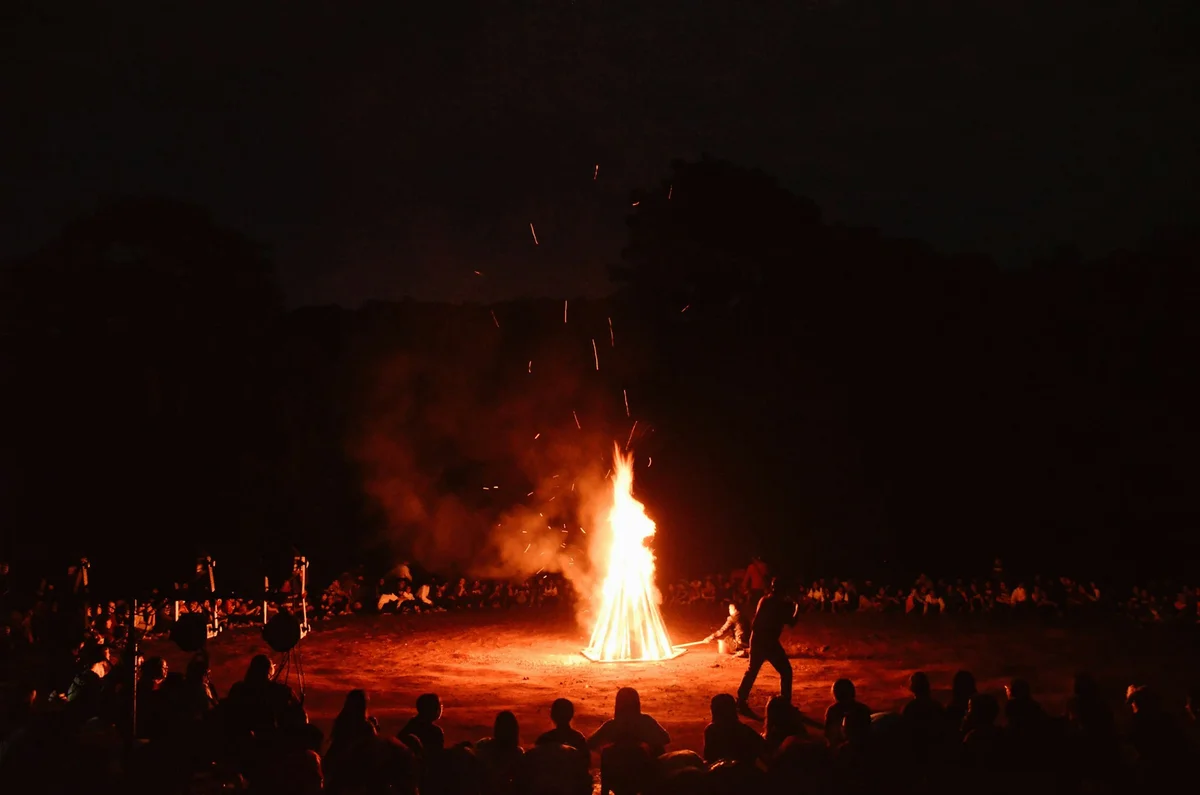
13. Hmong New Year (Noj Peb Caug)
Date: 1st day of the 12th lunar month → December 12–18, 2026
Ethnic Group: Hmong
Where: Dong Van, Meo Vac, Lung Cu & Sung La
Cultural Meaning
Hmong New Year (Noj Peb Caug) is the most important celebration of the year for the Hmong people.
Unlike Vietnamese Lunar New Year, which falls in January/February, Hmong New Year is celebrated earlier, marking the end of the harvest season and the start of a new agricultural cycle.
It is a time for:
Ancestral worship
Calling good fortune into the household
Honoring the family’s spirits
Reconnecting with relatives
Matchmaking for young people
Rest after a demanding farming year
It is considered a spiritual “reset”—a clean break from the old year, with rituals to sweep away misfortune and invite prosperity.
What Actually Happens
Purification rituals
Ancestor offerings
Courtship singing
Traditional games
Market celebrations
Bullfighting (some villages)
What Travellers Can Expect
Lively, colourful, welcoming—one of the best cultural experiences on the Loop.
How to See It on the Loop
Visit the loop in mid-December. But bring ALL your warm clothes.
Related article: How to Pack for the Ha Giang Loop in Winter.
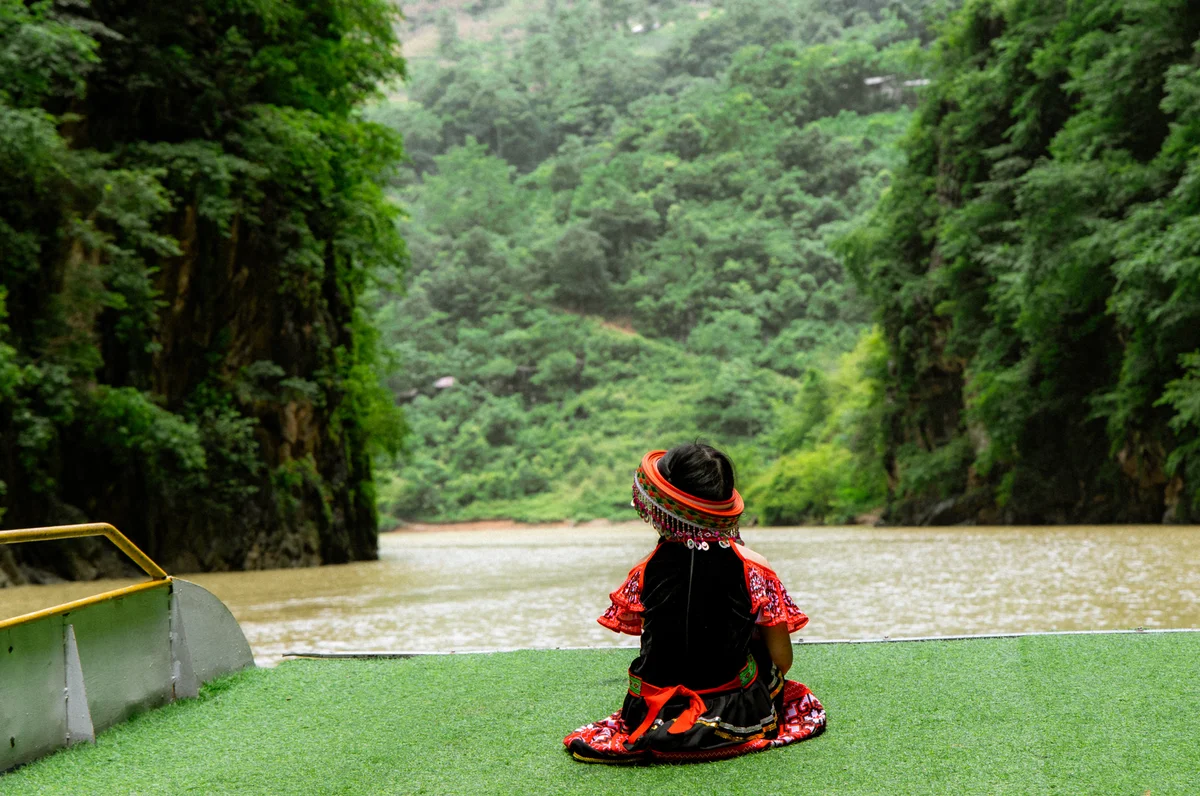
14. Rite of Passage Festival
Date: Varies (late year)
Ethnic Group: Dao
Where: Quan Ba and Hoang Su Phi
Cultural Meaning
Separate from Cap Sac, this is a community-wide rite marking transitions in life stages—adulthood, marriage, or spiritual elevation.
What Actually Happens
Offerings and prayers
Ritual blessings
Community feasts
Traditional singing
Guidance from elders
What Travellers Can Expect
Warm, communal, respectful. Not touristy—attend only with permission.
How to See It on the Loop
By invitation only; ask Bong Hostel for guidance.
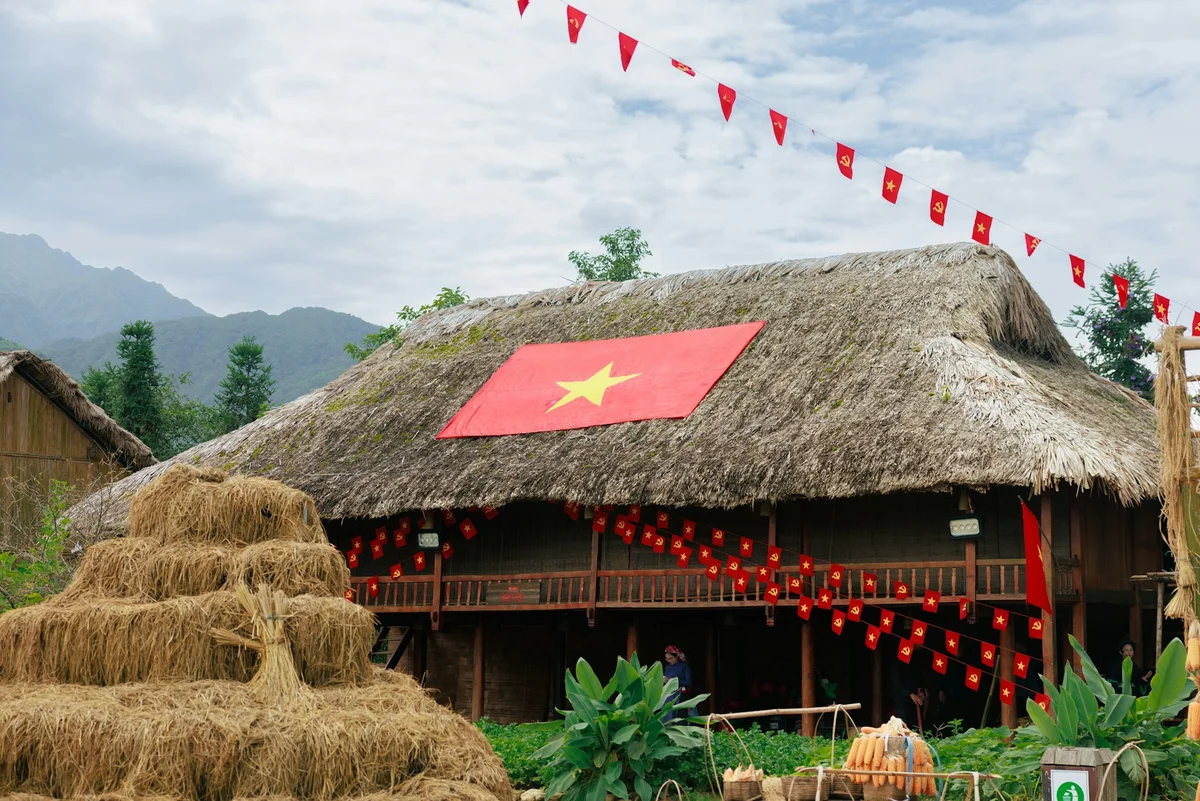
How to Respectfully Visit Festivals on the Ha Giang Loop
Bong Hostel has been operating since 2016—and from day one, responsible tourism was a core priority.
Here’s how to visit festivals on the Ha Giang Loop respectfully:
✔️ Ask before taking photos
Especially during sacred rituals, prayers, or shamanic ceremonies.
General guidelines:
Ask for permission with a smile or a gesture
Avoid using flash
Don’t push to the front or interrupt the ceremony
Never photograph altars or offerings without being invited
On Bong Hostel’s Culture Tour, guides will tell you when photography is appropriate and when it’s not.
✔️ Dress modestly in villages
Aim for:
Covered shoulders and knees
Neutral colours
No excessively tight or revealing clothing
Warm layers (mountains can get cold even on festival days)
Avoid wearing imitation ethnic minority clothing unless gifted by a host—it can be seen as disrespectful during ceremonies.
Related article: What Not to Wear on the Ha Giang Loop | Responsible Travel Guide.
✔️ Don’t enter homes uninvited
In several ethnic cultures, entering someone’s home without permission is more than rude—it can be seen as spiritually disruptive. Always wait for an invitation.
✔️ Do not give sweets or money to children
Festival days often involve many families and children, but giving money or candy can create long-term problems in villages.
If you’d like to bring something, offer it to the family hosting the festival, not directly to kids.
Respectful options include:
Fruit
Milk for children
Tea
Packets of biscuits
Small donations for community activities
Related article: Ethical Travel in Vietnam: Why You Shouldn't Give Money to Children on the Ha Giang Loop.
✔️ Respect spiritual spaces
Clan houses, altars, ceremonial rooms, and sacred forests are not tourist attractions.
Always:
Keep a respectful distance
Avoid touching objects
Speak quietly
Follow the directions of the elders or hosts
✔️ Listen to your Easy Rider
Your guide knows the customs of each village—and often the families personally.
If you’re unsure about something, ask. They genuinely enjoy explaining the meaning behind the rituals.
Responsible travel protects the traditions that make Ha Giang so special.
🚫 What Not to Do at Festivals
For your safety and the community’s comfort, avoid:
Overdrinking rice wine (Happy Water)—it’s strong, and locals pour generously
Touching sacred objects or shamanic tools
Standing too close to fire dance zones or performance circles
Interrupting spiritual, trance-based, or healing ceremonies
During spiritual rituals, the best thing you can do is observe quietly and let the community lead the moment.
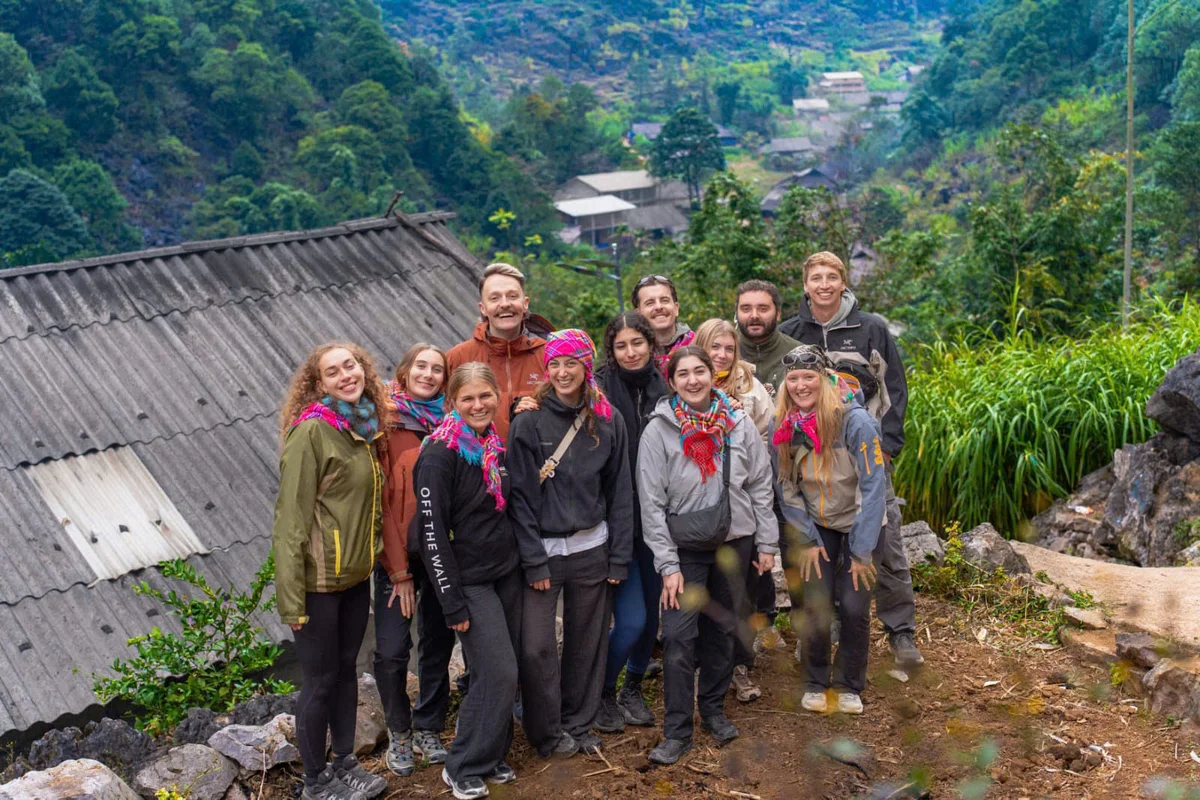
Bong Hostel’s Culture Tour: The Best Way to See Ha Giang’s Festivals
If you're reading this and thinking, “I would love to see these festivals, but how do I actually find them?”—you're not alone.
Most Ha Giang festivals run on the lunar calendar, villages don’t publish dates online, and ceremonies often change depending on weather, crops, and community decisions.
This is why travellers miss them—and why Bong Hostel created the Ha Giang Culture Tour.
What Makes the Culture Tour Different
The Culture Tour isn’t about checking off viewpoints. It’s slow, immersive, and built around:
Real ethnic minority villages
Genuine introductions to local families
Cultural etiquette guidance
Festivals when they align with the route
Traditional food, ceremonies, and storytelling
Quiet backroads instead of busy highways
No staged experiences.
No big groups.
No tourist traps.
Related article: Ha Giang Loop Culture Tour: Bong Hostel’s New Route Guide.
Why This Tour Works
Bong Hostel has spent years building relationships with Hmong, Lo Lo, Dao, and Tay communities across the province.
That means:
You hear real stories instead of scripted ones
You meet people who genuinely want to share their culture
You can attend festivals respectfully—with hosts who welcome you
When festivals are happening, the route adjusts.
When ceremonies are private, you won’t be taken there.
When cultural moments happen naturally, you get to be part of them.
The Culture Tour is the safest, most respectful, and most meaningful way to experience Ha Giang in 2026—especially if you want the cultural side of the Loop, not just the mountain views.
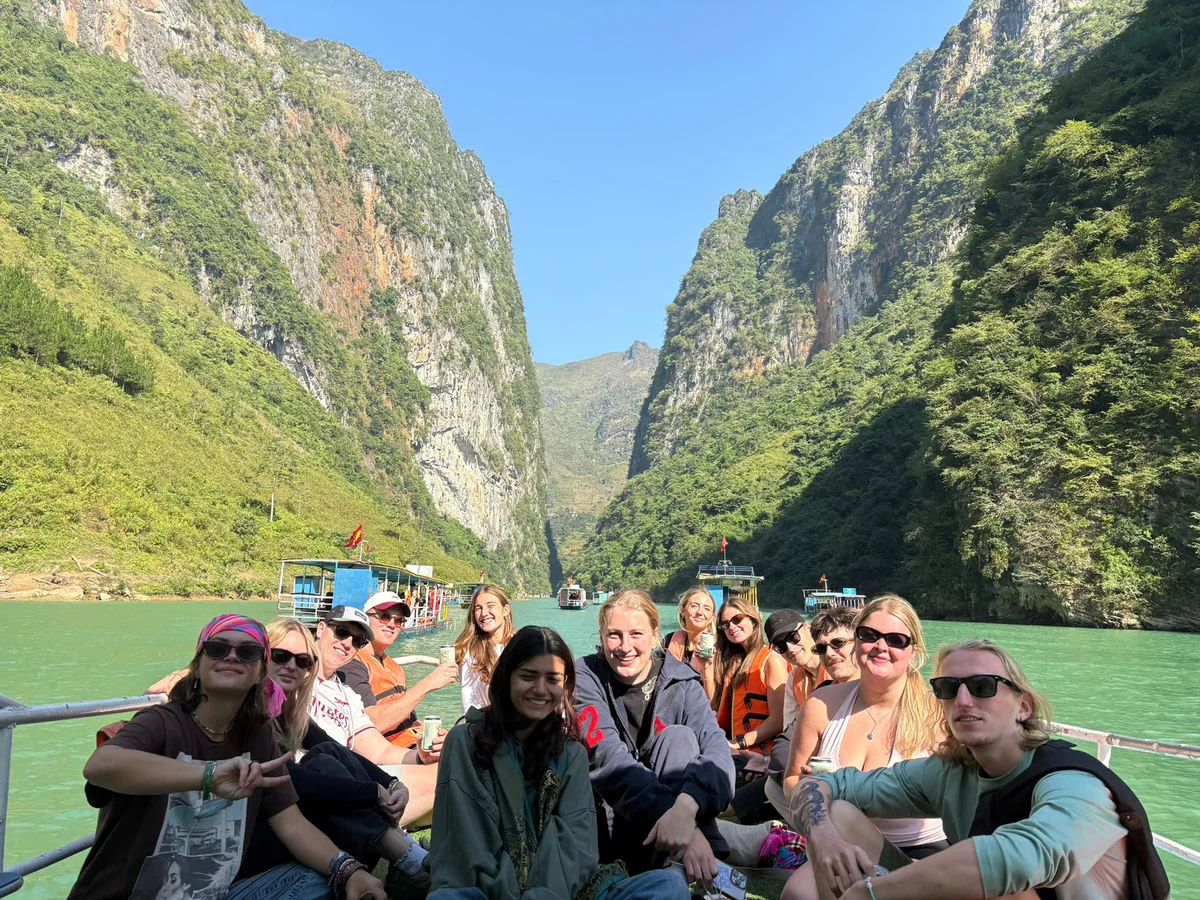
FAQs: Festivals on the Ha Giang Loop 2026
Understanding festivals in Ha Giang isn’t always straightforward—dates shift each year and many events aren’t advertised online.
After running tours here for years, these are the questions travellers ask us most often.
Q. Can travellers join festivals on the Ha Giang Loop?
A. Yes—some festivals are open and welcoming to travellers. However, others may be closed to outsiders unless accompanied by a trusted local contact.
Tip: Bong Hostel’s Culture Tour helps travellers attend festivals respectfully by coordinating with local families and village elders when appropriate.
Q. Are festival dates in Ha Giang the same every year?
A. No. Almost all festivals follow the lunar calendar, which means their Gregorian (Western) dates change annually. Some festivals depend on:
Agricultural cycles
Weather patterns
Community decisions
The availability of spiritual leaders
This is why reliable festival dates are almost impossible to find online (however, I’ve tried my best in this blog post!)—and why most travellers miss them completely.
Q. What should I wear if I attend a local festival?
A. Shoulders and knees covered is best and no imitation outfits.
Q. Can I take photos during festivals?
A. Yes but always ask first. Many communities value consent and privacy.
Q. Do I need to bring gifts if I attend a festival?
A. You can if you want to. But no sweets or money for children (unless it is Tet Holiday and then you can give small notes as lucky money).
Q. Do festival dates affect accommodation availability?
A. For major events like the Khâu Vai Love Market, Tet Holiday, and Independence Day, Dong Van and Meo Vac get full quickly. Book early.
Smaller festivals don’t usually affect availability.
Q. Are the festivals crowded with tourists in 2026?
A. It depends:
Popular events like the Khâu Vai Love Market and Buckwheat Flower Festival attract many Vietnamese travellers and a moderate number of foreigners.
Village-based festivals such as the Fire Dancing Festival (Pa Then), Cap Sac, Lo Lo Spring Festival, and Dao rituals remain extremely local with very few tourists.
If you want culturally intimate moments rather than big crowds, choose village-based festivals or join a curated experience like the Culture Tour.
Q. How do I know which festival I might catch during my Ha Giang Loop dates?
A. This is the hardest part—festival timings move every year, and no official schedule exists.
Your best options:
Check with Bong Hostel when booking
Ask your local guide (they often know which villages are preparing ceremonies)
Visit during major cultural months (February–May and September–December)
Choose the Culture Tour, which adjusts routes when festivals are happening
Q. Can I attend a festival on a self-guided motorbike trip?
A. Maybe—but it's difficult.
Most festivals happen deep inside villages down unmarked paths. If you don’t speak the language or know the area, you may:
Struggle to find the correct village or timing
Accidentally walk into a private ritual
Miss the ceremony by a few hours
Turn up without proper etiquette
For cultural events, going with a local guide is the safest and most respectful option.
Q. Are festivals safe for travellers on the Ha Giang Loop?
A. Yes—Ha Giang’s festivals are incredibly friendly and community-minded.
That said, festivals are lively events, and alcohol—especially rice wine (Happy Water)—is almost always part of the celebration.
As with any big gathering anywhere in the world, it’s wise to stay mildly vigilant: keep an eye on your belongings, don’t overdrink, and stick with your group.
Q. Should I bring money to festivals?
A. Yes—you’ll likely want small denominations (10k–50k notes) for:
Local food
Handmade crafts
Temple donations
Small contributions to communal activities
Avoid bargaining during festivals—it’s considered disrespectful.
Related article: How to Barter in Vietnam: 20+ Haggling Tips for Travelers.
Q. What’s the best way to learn about the meaning behind each festival?
A. Festival meanings are tough to Google—they change by village, ethnicity, and family.
The only reliable sources are:
Village elders
Local guides
People hosting the ceremony
Community cultural leaders
This is why travellers gain more insight on a curated experience like the Culture Tour, where introductions and translations are natural parts of the journey.
Final Thoughts: Experience Ha Giang in 2026 the Way It’s Meant to Be Seen
The Ha Giang Loop is beautiful—but its culture is what makes it truly unforgettable.
If you’re planning your 2026 Vietnam trip, make time for these festivals.
Make space for cultural experiences.
And if you want to see Ha Giang in the most authentic way possible…
👉 Join Bong Hostel’s Culture Tour in 2026
This is the only Ha Giang Loop tour designed specifically around:
Real ethnic minority culture
Meaningful village visits
Local relationships
Festival opportunities (when they align)
Responsible, community-first travel
It’s slow.
It’s immersive.
It’s respectful.
And it’s the version of the Loop travellers talk about long after they’ve gone home.
➡️ Secure your spot on the 2026 Culture Tour and experience the real Ha Giang.
About Faye Hilling
Travel writer and Vietnam explorer sharing authentic experiences and insider tips for discovering the beauty of Vietnam.