
What Are the Ha Giang Loop Road Conditions Really Like? (Winter 2025-2026)

If you’re Googling “Ha Giang Loop Road Conditions” in winter, congratulations—you’re already smarter than 70% of travellers who just rock up, hire a bike, and hope for the best.
Winter on the Ha Giang Loop is stunning. Crisp air. Clear skies. Fewer crowds. But it’s also when the road shows its true personality.
Sometimes smooth and scenic. Sometimes cold, foggy, narrow, and mildly terrifying in the best possible way.
So, let’s break it all down so you know exactly what to expect when doing the Ha Giang Loop in winter.
Quick Summary: Ha Giang Loop Road Conditions in Winter 2025-2026
✔ Road surface: Mostly paved main roads with some gravel and uneven sections, especially near Dong Van and Du Gia.
✔ Winter safety level: Generally safer than the rainy season due to dry roads, but fog, cold temperatures, and narrow mountain passes require caution.
✔ Biggest winter risks: Dense fog, strong winds on high passes, cold hands reducing control, livestock on the road, and limited visibility in the mornings.
✔ Best time to ride: Late morning to early afternoon, when fog clears and temperatures are warmer.
✔ Worst conditions: Early mornings, late afternoons, and riding during fog or strong winds.
✔ Beginner-friendly? Yes, if riding slowly, choosing a suitable bike, and avoiding poor visibility—otherwise consider an Easy Rider.
✔ Recommended bike: Semi-automatic motorbike for balance, control, and reliability.
✔ Night riding: Strongly discouraged due to fog, cold, livestock, and lack of lighting or guardrails.
What Are Ha Giang Loop Road Conditions Like in Winter?
Short version? Mostly paved, often narrow, occasionally rough, and constantly changing.
Longer version? The Ha Giang Loop road conditions in winter are generally safer than the rainy season, but still demand respect.
You’ll deal with:
Smooth tarmac mixed with cracked mountain roads.
Steep climbs and long downhill passes.
Cold temperatures, fog, and strong winds.
Occasional gravel, fallen rocks, and wandering buffalo.
Winter isn’t dangerous if you’re prepared—but it punishes overconfidence.
Related article: Ha Giang Loop Weather: December to January.
All Hail having a brand new a Guardrail at the Sky Path
Understanding Ha Giang Loop Road Conditions and Why it's Important
The Loop looks dreamy on Instagram. But out here, roads don’t behave like highways.
The Ha Giang Loop winds through remote limestone mountains where:
Weather changes hourly.
Road repairs happen… when they happen.
Livestock does not care about traffic laws.
Guardrails are sometimes more of a suggestion (although a brand new guardrail now stretches the entire length of the Ma Pi Leng Sky Path, demonstrating the region's growing concern for the safety of its tourists).
Knowing what the road is like before you ride changes everything—your bike choice, speed, gear, itinerary, and safety.
You might even decide that the winter road conditions are not for you and choose to hire an Easy Rider instead.
Related article: Ha Giang Loop Map and Itinerary 2026 | Best Routes, 3–7 Day Plans & Tips.
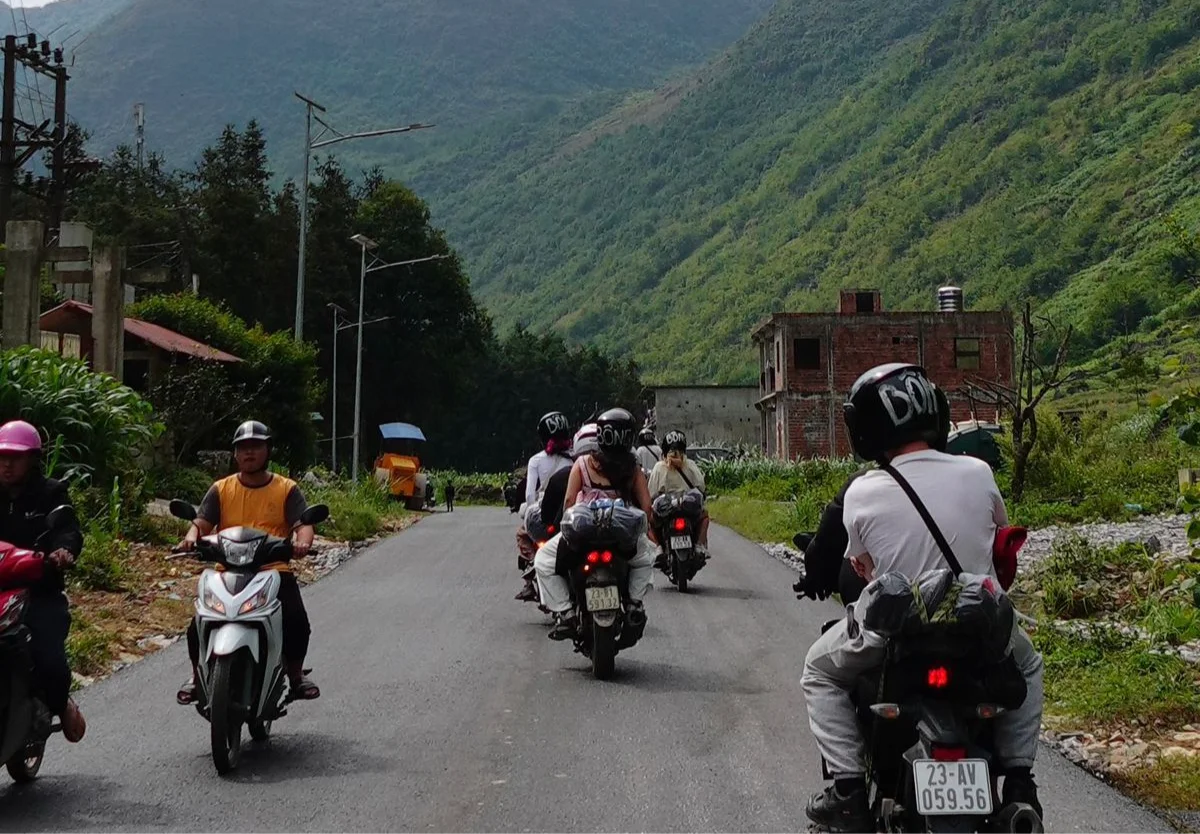
Road Conditions in Ha Giang can be Quite Busy
General Overview of Ha Giang Loop Road Conditions
The full Loop covers roughly 350–400 km, depending on the number of days you do (4 days vs 3 days), any detours, and the villages you explore.
Surface Types You’ll Encounter 2025-2026
Paved Roads
Most main routes are sealed.
Ha Giang City → Quan Ba is smooth and beginner-friendly.
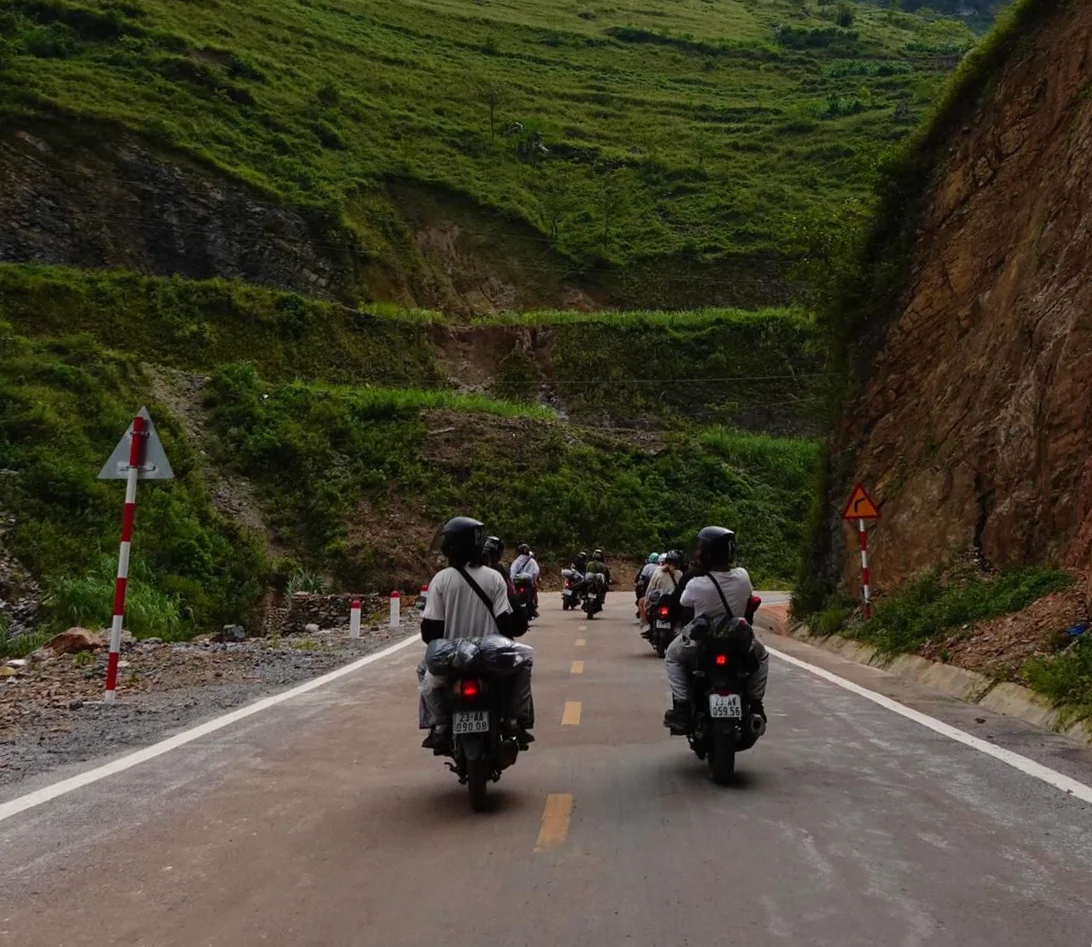
Mountain passes are paved but narrow and twisty.
Rough & Patchy Sections
Cracks, potholes, uneven repairs.
Common around Dong Van and Yen Minh.
The stretch between Ha Giang City and Du Gia is particularly rough and requires skill, patience, and slowing the pace.
Dirt & Gravel Roads
Still present on side routes and village roads.
More manageable in winter than rainy season.
Winter Bonus: No mud pits. No washed-out roads or floods. No sudden landslides every afternoon.
Related article: When is the Best Time to Do the Ha Giang Loop? A Guide from Someone Who's Done It All Year Round.
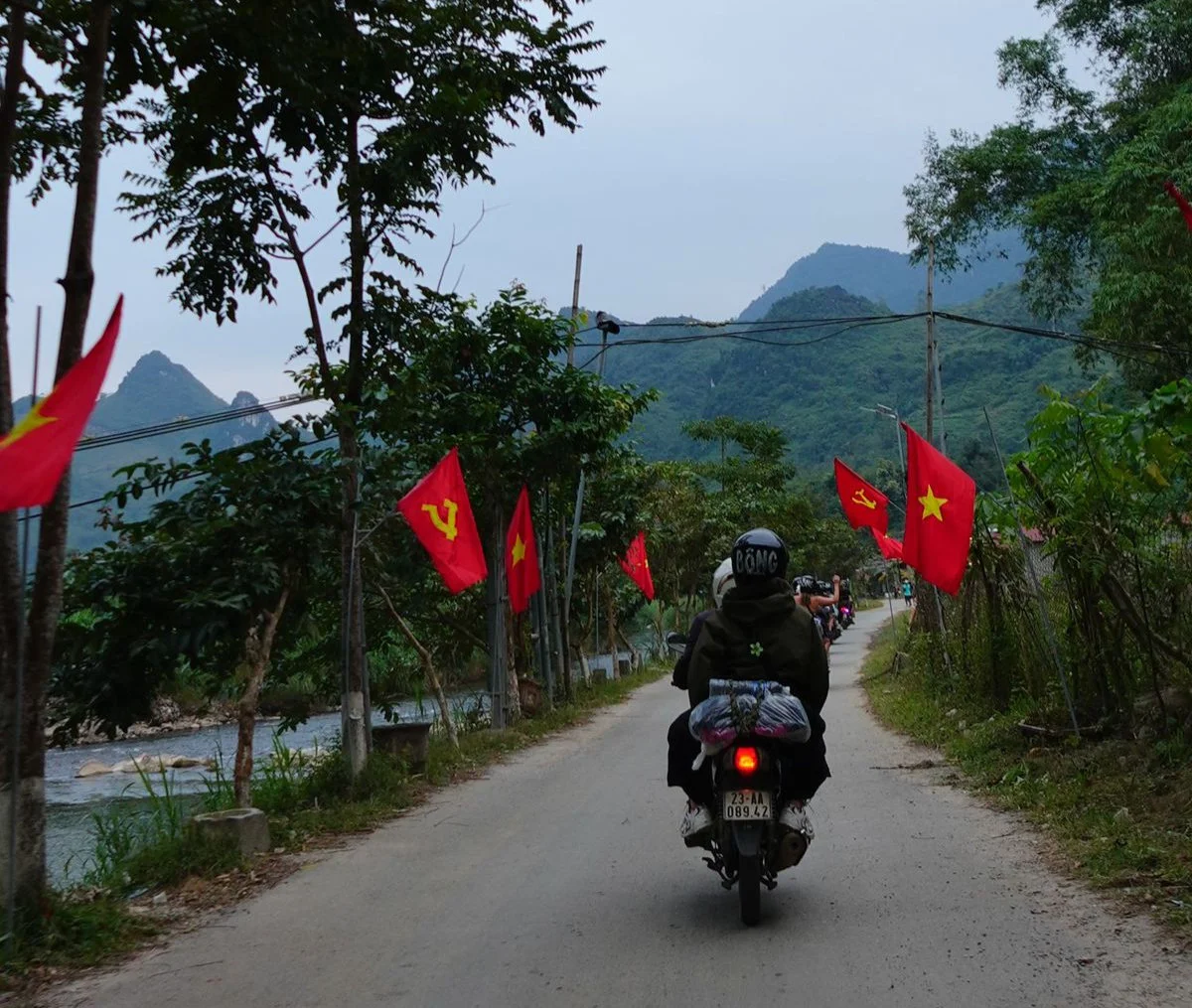
How Winter Changes Ha Giang Loop Road Conditions
Winter in Ha Giang generally runs November to February.
What Winter Gets Right
Dry roads.
Clear mountain views.
Stable road surfaces.
Cooler riding temperatures.
What Winter Gets Wrong
Dense fog in the mornings.
Freezing winds on high passes.
Cold hands, stiff fingers, slower reactions.
Reduced visibility at altitude.
Winter doesn’t destroy the roads—it just makes them feel more serious.
Psst! If you book the Ha Giang Loop tour with Bong Hostel, our guides always make sure to check weather conditions before heading out to mitigate risks and keep everyone safe!
Daily Road Condition Changes in Winter
One of the biggest rookie mistakes is assuming the road stays the same all day.
On the Ha Giang Loop:
Morning: Cold, foggy, damp patches.
Midday: Clear, dry, ideal riding.
Late Afternoon: Windy, shadowed, temperature drops fast.
Add livestock crossings, trucks, and locals who know the road better than you ever will—and staying alert is non-negotiable.
Related article: Tips on How to Self Ride the Ha Giang Loop.
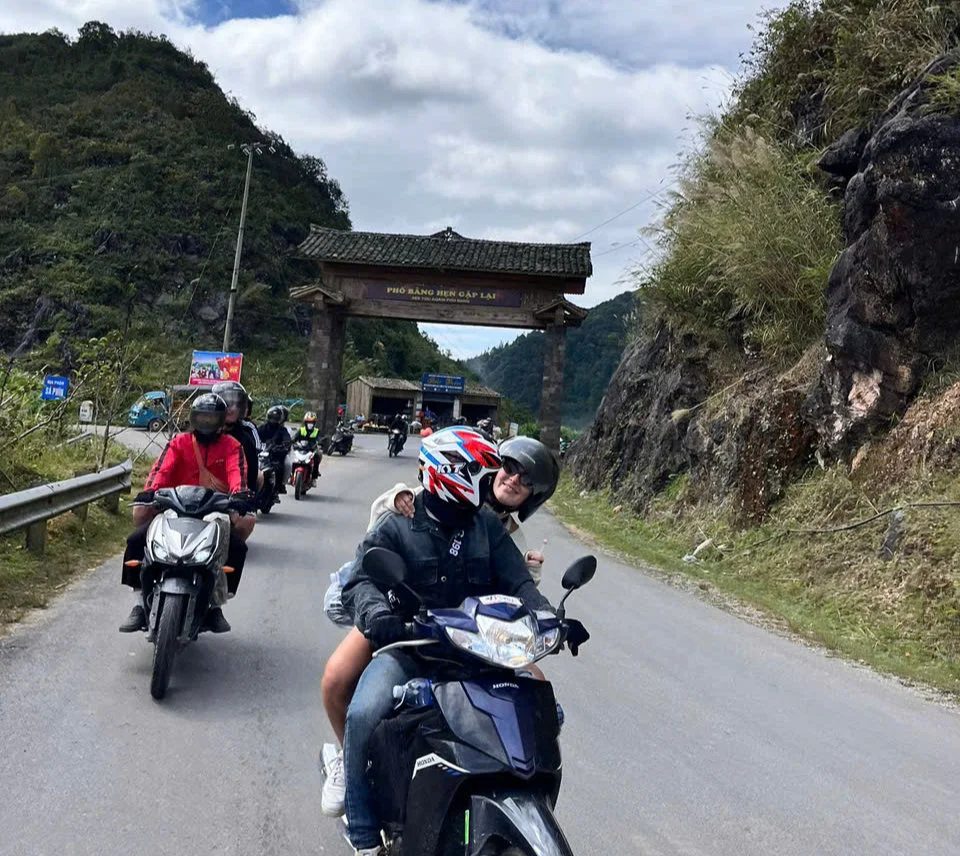
Ride Safely through Winter Road Conditions with a Bong Hostel Easy Rider
Ha Giang Loop Road Conditions by Route Section
Let’s get specific—because not all sections are created equal.
Ha Giang City → Quan Ba (Bac Sum Pass)
Difficulty: Easy | Confidence Builder
This is where you learn the Loop’s rhythm.
Mostly smooth tarmac.
Wide enough for relaxed riding.
Gentle curves and scenic valleys.
Watch out for:
Construction patches.
Trucks climbing hills (and often over-taking on corners).
False confidence (the rest is yet to come).
Perfect for warming up—both mentally and mechanically.
Quan Ba → Yen Minh
Difficulty: Medium | Focus Required
Now the Loop starts flexing.
Long climbs and descents.
Sharp bends with elevation changes.
Occasional cracked surfaces.
Winter hazards:
Morning fog around Heaven’s Gate.
Cold winds on exposed ridges.
Take breaks. Enjoy viewpoints. This section rewards patience.
Yen Minh → Dong Van (Tham Ma Pass)
Difficulty: High | Full Attention Needed
This is the rocky limestone heart of Ha Giang.
Narrow roads carved into cliffs.
Minimal shoulders.
Uneven surfaces in places.
Winter realities:
Cold air slows reaction times.
Fog reduces depth perception.
Passing cars requires confidence and control (they will pass close).
Ride slow. Low gear. No hero moves.
Related article: Best Landscapes on the Ha Giang Loop: 15 Must-See Stops this Winter (2025).
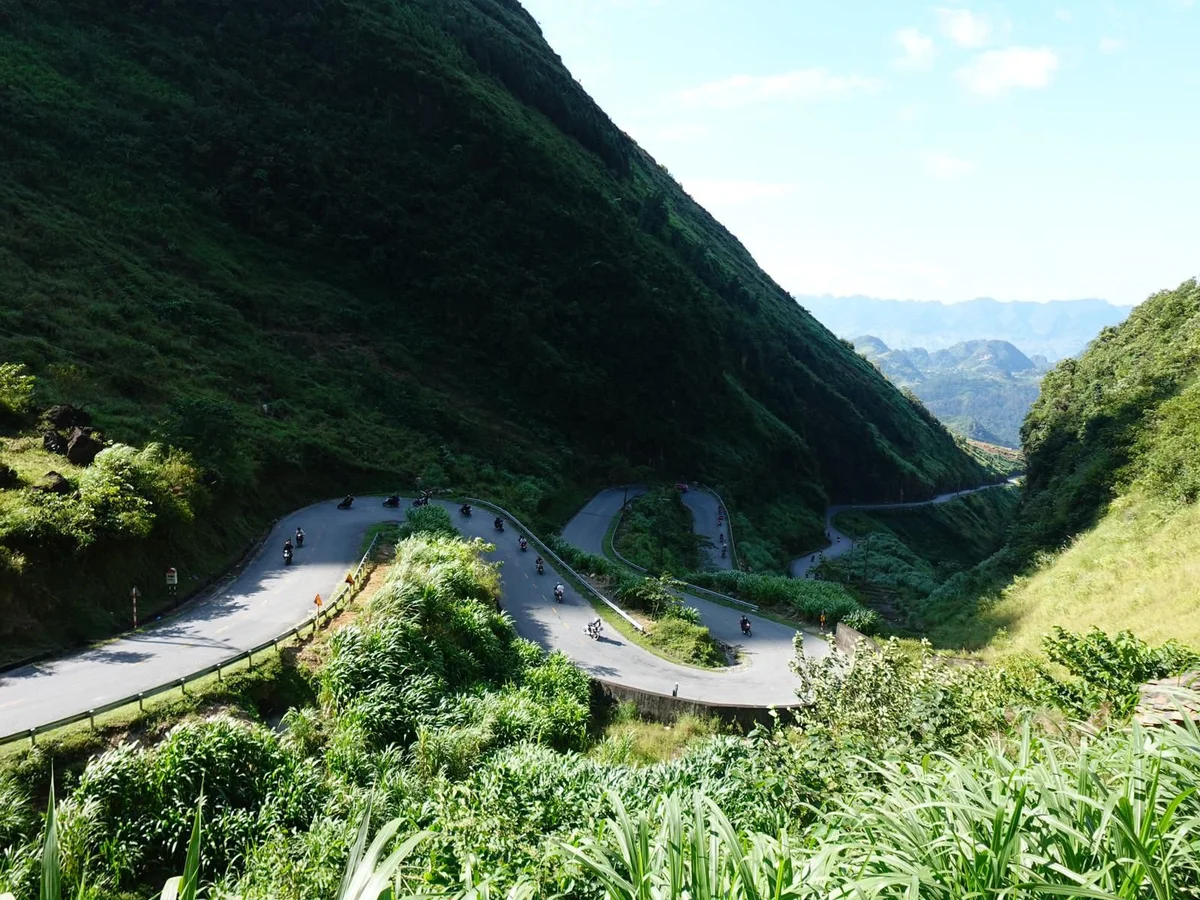
Tham Ma Pass Road Conditions in Winter
Dong Van → Meo Vac (Ma Pi Leng Pass)
Difficulty: High | Legendary for a Reason
Possibly the most famous stretch—and yes, it earns the hype.
Smooth tarmac but narrow.
Sometimes guardrails are lacking.
Massive drop-offs (hello Tu Son Canyon and the Nho Que River).
Winter challenges:
Strong crosswinds.
Fog rolling in fast.
Cold hands = weaker braking control.
Stunning? Yes. Forgiving? Absolutely not.
Meo Vac → Du Gia
Difficulty: Variable | Adventure Territory
This is where road conditions get unpredictable.
Mix of paved, gravel, and dirt roads.
Potholes, bumps, loose stones.
Few services along the way.
Winter advantage:
Dry dirt instead of thick mud.
Still challenging because:
Cold tires grip less.
Road repairs are inconsistent.
Remote = no quick help.
Prepared riders love this section. Especially as many Ha Giang Loop tour leaders will take their guests on backroad adventures around this section of the route. However, unprepared riders or nervous beginners will suffer here.
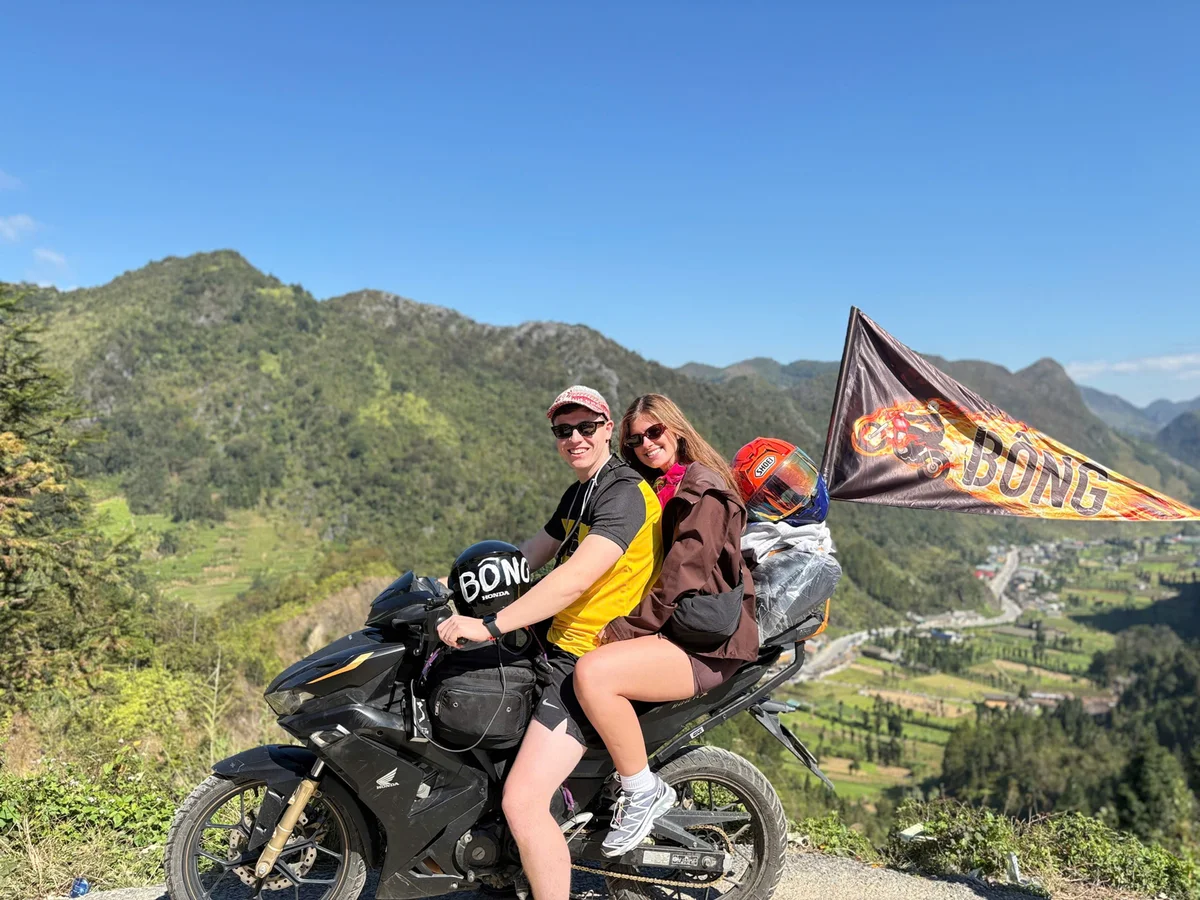
Winter Road Conditions require Skill, Patience, and Confidence
Common Winter Road Hazards on the Ha Giang Loop
Knowing the risks doesn’t ruin the adventure—it keeps it fun (and safe). Here’s what to watch out for in winter 2025-2026:
Fog
Especially early morning and late afternoon.
Can reduce visibility to a few metres.
Most dangerous on mountain passes.
Tip: Delay your ride until it clears.
Landslides & Falling Rocks
Less frequent than the rainy season, but still possible.
Especially after temperature shifts.
Watch cliff edges and road debris.
Livestock & Unexpected Obstacles
This is rural Vietnam—the road belongs to everyone.
Buffalo, cows, dogs, chickens (and the occasional pig) are part of the Loop.
Animals are unpredictable and don’t understand road rules.
They are more likely to wander into your path than move out of it.
Interesting Fact: You may also notice young children sitting on the side of steep roads. Don’t worry—they haven’t been abandoned—they are waiting for their parents, who have climbed over the guardrails to forage.
Hairpin Turns
Steep, tight, and unforgiving.
Limited visibility around corners.
No room for sudden braking or panic inputs.
Brake before the corner.
Keep movements smooth.
Stay wide, exit slow.
Tip: Always assume someone could appear on your side of the road after a bend.
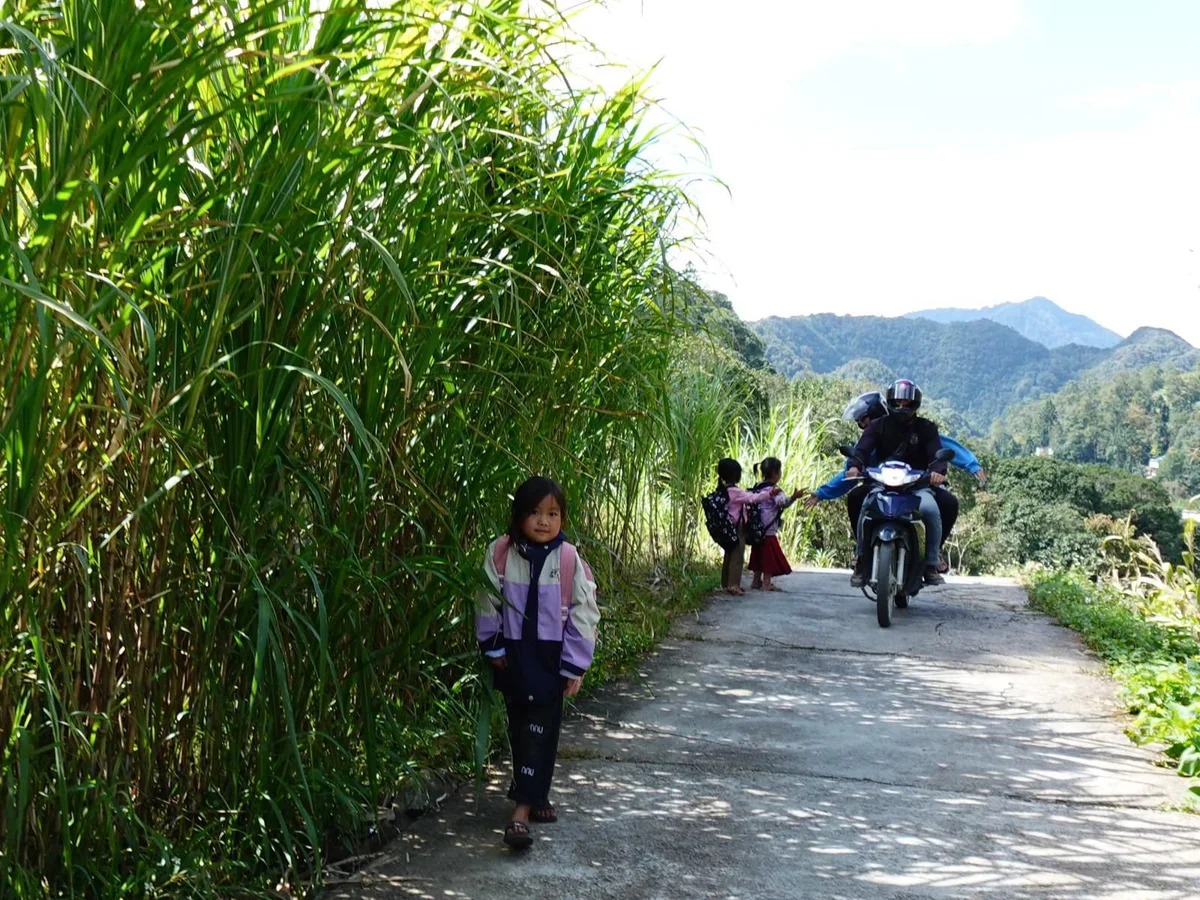
You Will Face Many Obstacles on the Road in Ha Giang, Including Children and Farm Animals
Other Tour Groups & Overtaking Traffic
This is a big one—and it’s rarely talked about honestly.
The Ha Giang Loop is shared by many tour groups, and riding styles can vary wildly.
You may encounter:
Other self-riders driving very close beside you.
Groups overtaking on blind corners.
Bikes accelerating past on steep inclines.
Riders cutting across bends to maintain speed.
This can feel scary but remember what matters most is how you respond.
Tips:
Hold your line—don’t swerve to “make space”.
Don’t feel pressured to speed up.
Ride your own ride, at your own pace.
Use mirrors often and expect sudden overtakes.
The most dangerous thing you can do is panic-adjust because someone else is riding aggressively.
One Last Thing: This Isn’t Just a Winter Issue
While winter brings fog and colder conditions, most of these hazards exist year-round on the Ha Giang Loop.
Landslides happen after rain in any season.
Livestock doesn’t disappear in summer.
Tour groups operate all year.
Blind corners are always blind.
The season changes—the need for awareness doesn’t.
Ride alert, expect the unexpected, and treat every corner like it has a surprise waiting on the other side.
That mindset alone will make your Ha Giang Loop experience safer, smoother, and far more enjoyable.
Not 100% Confident on Winter Roads? That’s Normal.
The Ha Giang Loop isn’t the place to “figure it out as you go”—especially in winter. If fog, cold, or narrow passes sound intimidating, our Easy Rider option lets you enjoy the scenery without the stress.
Sit back. Stay warm. Stay safe.
Join Bong Hostel’s Ha Giang Loop tour and experience winter the worry-free way.
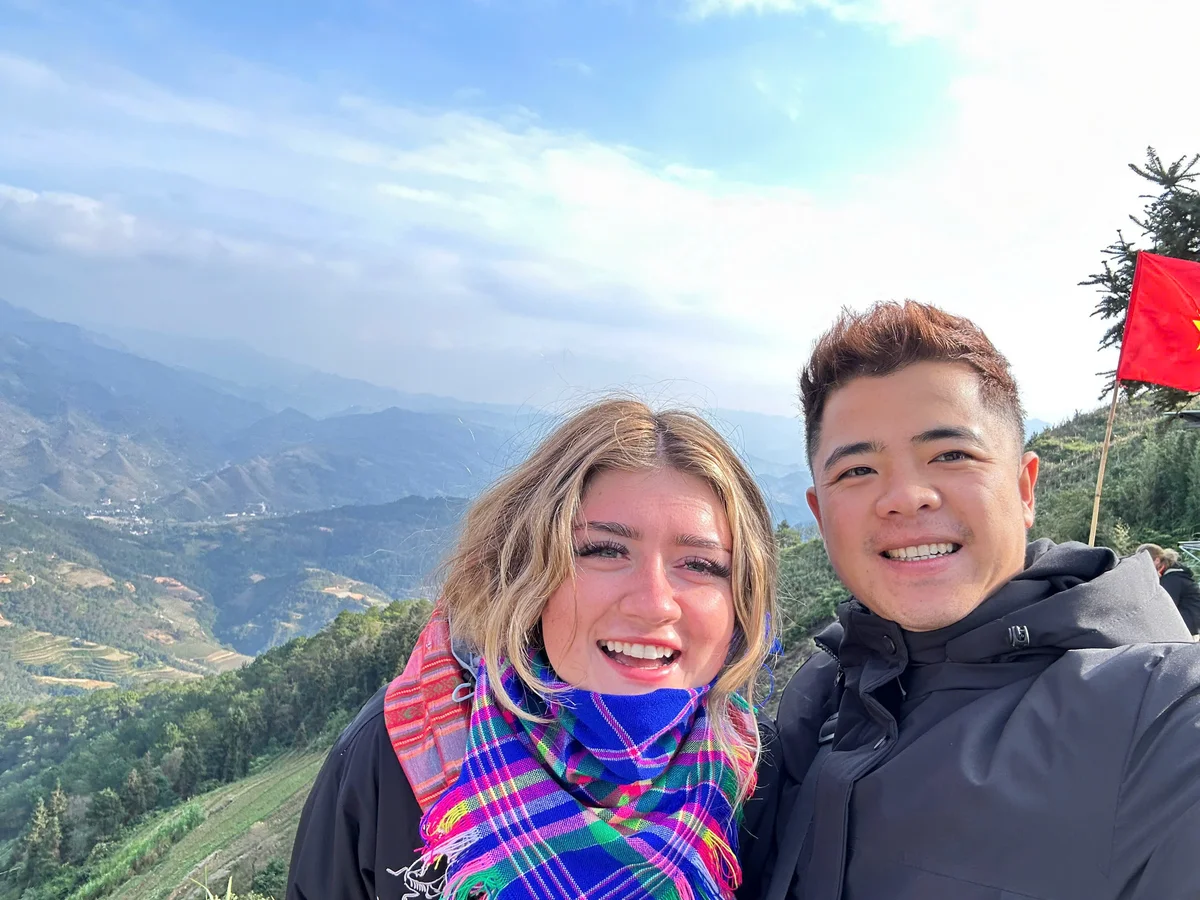
Join Bong Hostel Leader Bingo for a Safe Ha Giang Loop Tour this Winter 2025-2026
Best Vehicles for Ha Giang Loop Road Conditions in Winter 2025-2026
Semi-Automatic Motorbikes
Best all-round choice
Easier control in cold conditions.
Reliable on mixed surfaces.
Great for first-timers.
Manual Motorbikes
For experienced riders
Better engine braking on descents.
More control on steep passes.
Demands confidence and skill.
Cars (with Driver)
Perfect if:
You hate cold.
You want comfort.
You still want views without stress.
Related article: Ha Giang loop car tour | Bong hostel.
Bicycles
Brutal. Beautiful. Not recommended unless you’re extremely fit, experienced, and prepared.
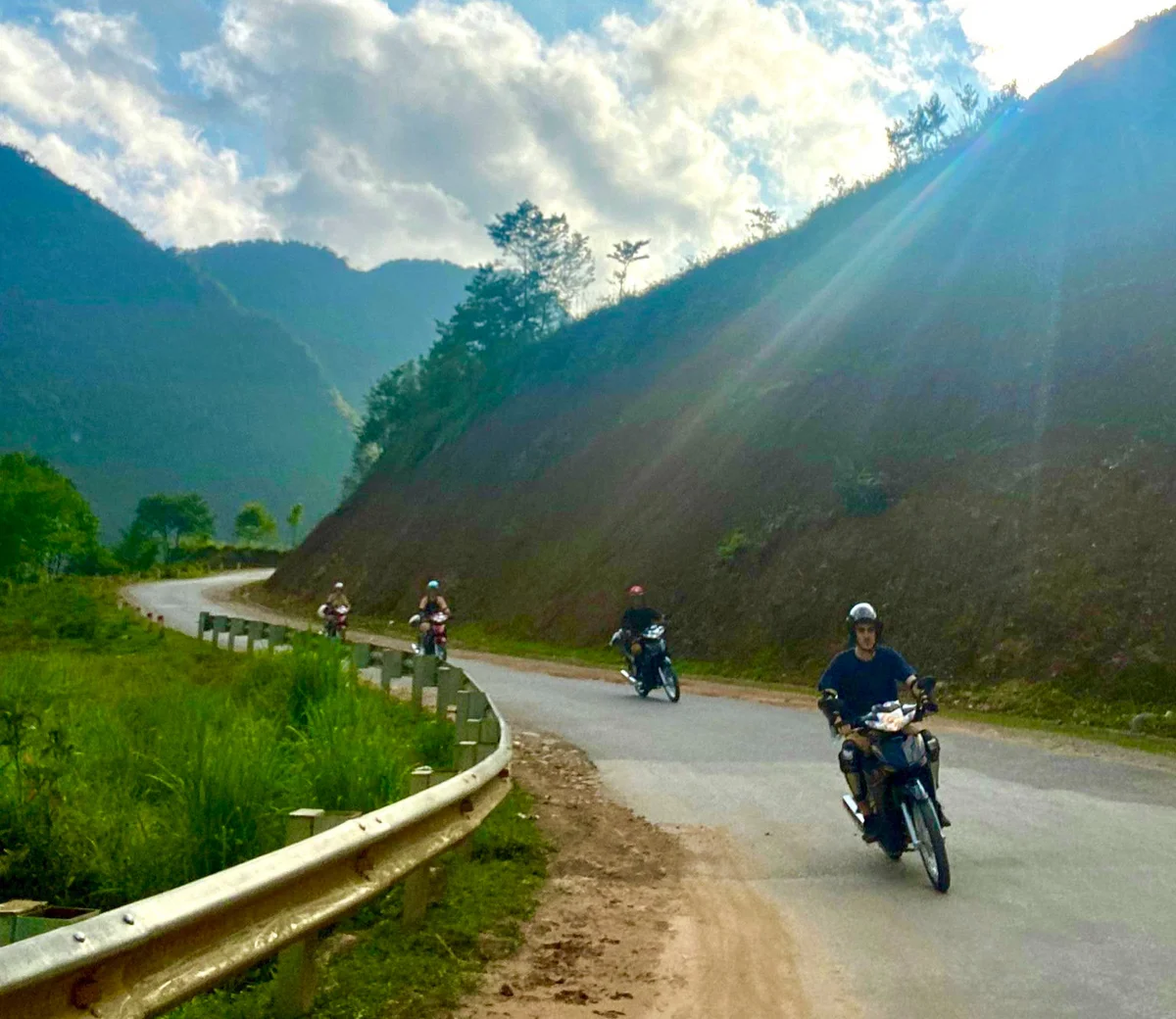
Essential Safety Tips for Winter Riding 2025-2026
Here are some essential tips to prepare for Ha Giang Loop road conditions this winter.
1. Do a Group Tour
This is one of the best safety tips for doing the Ha Giang Loop at any time of year.
A group tour gives you:
Drivers who know the road conditions that day, not last month.
Guides who adjust routes around fog, landslides, or unsafe passes.
Support if something goes wrong—mechanical issues, weather shifts, or confidence drops.
Riding with a group means:
You’re not riding blind into bad weather.
You’re not pressured to push on when it’s smarter to stop.
You’re never making safety decisions alone.
And just as importantly—you get local judgement, not Google Maps optimism.
At Bong Hostel, our winter routes are planned daily, not copied and pasted.
If a section isn’t safe, we reroute. If the weather turns, we slow it down. If someone’s not comfortable riding, Easy Riders are always an option.
Winter riding on the Ha Giang Loop is incredible—but it’s at its best when you’re backed by experience, not bravado.
2. Ride Daylight Hours Only
If you are confident, skilled, and determined to self-ride the Ha Giang Loop independently then 8am–4pm is your safe window.
Night riding + fog + cold = simply not safe.
3. Dress for the Cold (Seriously)
Winter wind chill is real.
Proper helmet (provided with Bong Hostel).
Gloves (trust me, you will be grateful for these).
Warm layers and hat and scarf for the evenings.
Rainproof outer shell to cut the cold winds.
Don’t forget, cold hands = slow reactions.
Related article: How to Pack for the Ha Giang Loop in Winter.
4. Use Offline Maps
Signal drops. Phone batteries die faster in the cold.
Download everything before you leave. And don’t worry, WIFI is available at most homestays.
5. Fuel Up Often
Petrol stations aren’t evenly spaced.
Never pass one thinking, “I’ll get the next.”
Bonus Tip: Emergency Prep
A Vietnamese SIM card (Viettel and Vinaphone have the best coverage).
Charged phone + power bank.
Basic first-aid kit.
Emergency contacts saved.
Let someone know your route.
At Bong Hostel, we make sure riders leave with local knowledge—not just keys.
How to Navigate Ha Giang Loop Road Conditions, Legally in 2025-2026
As of January 2025, to ride legally in Vietnam you must have:
A valid Vietnamese licence or
An International Driving Permit (IDP) 1968 Convention with motorbike endorsement (an A1 Stamp).
A proper helmet (always).
No licence = fines + insurance issues.
Related article: Ha Giang Loop 2025: Self-Riding Rules, Licence Requirements & Tours.
So… Are Ha Giang Loop Road Conditions Safe in Winter?
Yes—if you ride smart.
Winter offers:
Better road stability.
Clearer landscapes.
Fewer hazards than rainy season.
But:
Cold, fog, and narrow passes demand respect.
Ride slow. Gear up. Get to know the road. And you’ll have one of the best riding experiences in Southeast Asia.
FAQ: Ha Giang Loop Road Conditions in Winter 2025-2026
Here are some frequently asked questions about road conditions on the Ha Giang Loop in winter.
Q. What are Ha Giang Loop road conditions like in winter?
A. Most Ha Giang Loop roads in winter are paved and dry, making them safer than the rainy season.
However, roads are often narrow, winding, and steep, with fog and cold temperatures affecting visibility and comfort.
Q. Is winter a good time to ride the Ha Giang Loop?
A. Yes. Winter is one of the best times to ride the Ha Giang Loop due to stable road conditions, minimal mud, and clearer mountain views.
Riders should still prepare for cold weather and fog at higher elevations.
Q. Are Ha Giang Loop roads fully paved?
A. The main Loop routes are mostly paved, but some sections—especially near Du Gia and smaller villages—include gravel or dirt roads.
In winter, these sections are usually dry but uneven.
Q. Does fog affect Ha Giang Loop road conditions?
A. Yes. Fog is common in winter, particularly in the early morning and late afternoon on mountain passes like Ma Pi Leng.
Reduced visibility is one of the biggest winter riding risks.
Q. Are Ha Giang Loop road conditions dangerous for beginners?
A. They can be challenging for beginners due to steep slopes, sharp turns, and narrow roads.
Beginners are advised to ride slowly, avoid foggy conditions, or consider an Easy Rider for added safety.
Q. Is it safe to ride the Ha Giang Loop at night in winter?
A. No. Night riding is strongly discouraged due to poor visibility, fog, cold temperatures, livestock on roads, and the lack of street lighting or guardrails.
Q. Do Ha Giang Loop road conditions change daily?
A. Yes. Roads can be damp and foggy in the morning, dry and clear at midday, and colder with strong winds in the afternoon.
Daily weather checks are essential.
Q. Which motorbike is best for winter road conditions?
A. A semi-automatic motorbike is the best option for most riders, offering good control and reliability.
Manual bikes are suitable for experienced riders who are comfortable with mountain terrain.
Q. Are landslides common in winter?
A. Landslides are far less common in winter than in the rainy season. However, small rockfalls can still occur, especially after temperature changes or strong winds.
Q. Should I still expect livestock on the roads in winter?
A. Yes. Buffalo, cows, goats, dogs, and chickens regularly wander onto the road year-round. Riders should slow down when passing through villages.
Tip: Ride slowly through villages and near farmland.
Q. Do I need special gear for winter road conditions?
A. Yes. Warm layers, gloves, hat, scarf, a windproof jacket, and proper footwear are essential. Cold hands and stiff muscles reduce reaction time on mountain roads.
Final Thoughts: Ride the Ha Giang Loop the Smart Way This Winter
Winter road conditions demand experience, local knowledge, and the right setup.
At Bong Hostel, we don’t just rent you a bike and wave goodbye—we prepare you properly.
✔ Winter-ready motorbikes.
✔ Honest road condition briefings.
✔ Easy Riders options.
✔ Local support if plans change.
Book your Ha Giang Loop with Bong Hostel and ride with confidence—not crossed fingers.
About Faye Hilling
Travel writer and Vietnam explorer sharing authentic experiences and insider tips for discovering the beauty of Vietnam.