

How to Self-Ride the Ha Giang Loop in the Rain: 20+ Tips to Keep You Safe in Rainy Season 2025
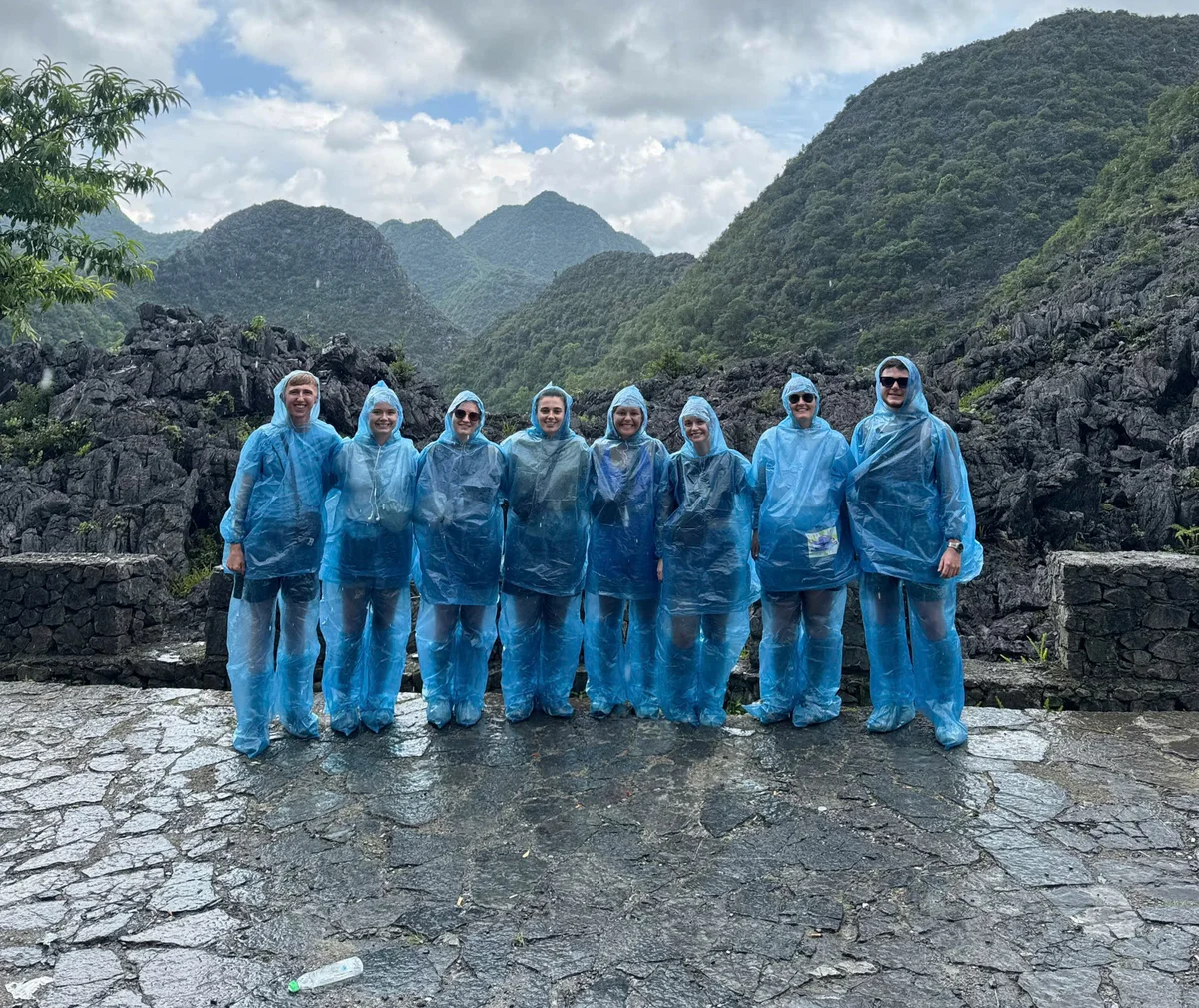
Updated November 2025: Bong Hostel no longer allows guests to self-ride the Ha Giang Loop without the correct licence. If you try, the consequences are serious: your bike can be seized, you could be heavily fined, and in extreme cases, Bong Hostel could face legal action. On top of that, if an accident happens while riding illegally, the risks and costs multiply. For a safe, legal, and stress-free experience, always ride with a valid licence or take one of our Easy Rider or guided tours.
So, you’ve got your international license, your appropriate Ha Giang Loop insurance, your packed bags, and now you’re ready to take on the Ha Giang Loop.
But wait just a minute, it's the rainy season in Ha Giang and while I’m looking out my window at blue skies right now, that could all change in a hot minute on the loop.
Fear not, this guide will equip you with everything you need to ride the Ha Giang Loop safely in the rain in 2025.
Why Riding the Ha Giang Loop in the Rain Is Challenging
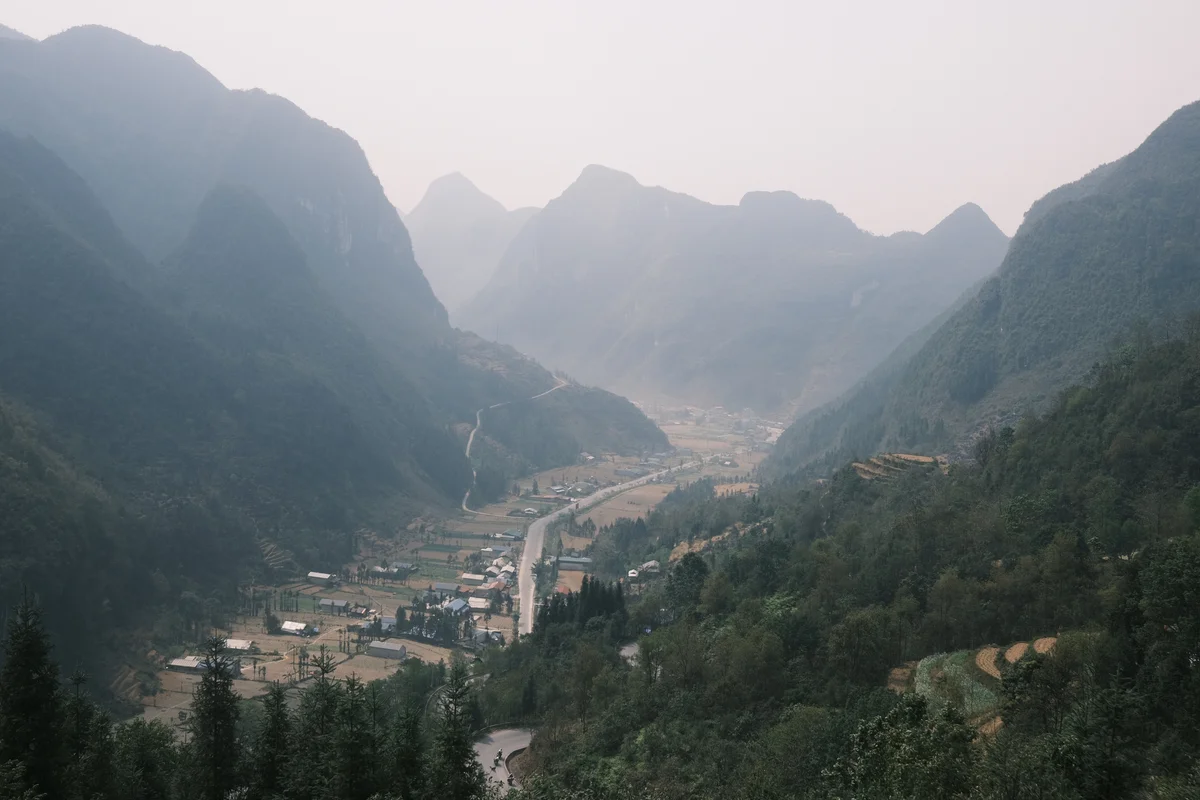
The Ha Giang Loop is a ribbon of asphalt that clings to Vietnam’s northern frontier, winding through deep valleys, high passes, and remote ethnic‑minority villages.
Throw a monsoon shower into the mix, and you’ve got a recipe for slick roads, surprise mudslides, and rivers for roads.
Riding in the rain dramatically reduces tire traction, blurs your vision, and lengthens braking distances.
Puddles can mask potholes, loose gravel is a skid magnet, and one misplaced lean can send you sliding into the scenery.
So, let’s break down the potential hazards you might encounter when riding in the rain on the Ha Giang Loop and how to prepare.
Related article: Ha Giang Loop 2025: Self-Riding Rules, Licence Requirements & Tours.
Ha Giang’s Hidden Hazards Unpacked
The Loop isn’t just any tarmac—it’s remote, rugged, and littered with wet‑weather traps.
Oil Patches & Rainbow Pools
After spraying through a fuel truck’s drips, you may see rainbow sheen on asphalt.
Counter by shifting weight rearward and easing onto the throttle to prevent front-end washout.
Manholes, Painted Lines & Tar Snakes
Metal plates and road markings turn into ice rinks in the rain.
Treat them like lava—no sudden inputs if you must cross them.
Puddles That Deceive: Depth vs. Disaster
What seems ankle‑deep could hide potholes large enough to buck you off.
Slow to a crawl or ride around them entirely.
Intersections & Roundabouts: Slow Approach
Slippery oil residues from idling cars lurk at junctions.
Brake early, roll in gently, and accelerate out smoothly.
Flash Flood Channels
Tiny gullies beside the road can turn into raging torrents without warning.
Scan side ridges for sudden water discoloration—brown streaks signal fast‑moving flows that may wash away guardrails.
Guillotine Tree Branches
In forested sections, wind-blown branches can slap helmets or shields.
Wear a sturdy chin bar on helmets and tilt head slightly to deflect impacts.
Related article: Rainy Season on the Ha Giang Loop: Tips, Safety, & What to Expect.
Pre‑Ride Prep: Ready Your Bike for Wet Weather
Wet‑weather worries start long before you swing a leg over the saddle. Here’s how to gear up your motorcycle for riding in the rain:
1. Tire TLC: Grip Matters
Tread Check: Inspect for at least 2–3 mm tread depth. Shallow grooves can’t channel water away, upping hydroplaning risk.
Proper Pressure: Follow your manufacturer’s wet‑road pressure specs. Under‑inflation cuts grip; over‑inflation shrinks contact patches.
Replace If Worn: If your tires look bald or have uneven wear, tell your tour operator or rental company to swap them for ones with deeper rain‑slicing grooves.
2. Brakes That Bite: Testing Responsiveness
Pad & Rotor Health: Wet braking demands responsive pads and rotors free of glazing or excessive wear.
ABS Functionality: If you’ve got ABS, ensure it’s active and the wheel‑speed sensors are clean. Test both front and rear brakes at a crawl before hitting full throttle.
3. Lighting Up the Gloom: Be Seen, Be Safe
Headlights & Taillights: Test brightness and aim; low‑sun glare and rain reduce visibility drastically.
Additional Fog Lamps or LED Bars: Consider auxiliary lights to slice through mist and heavy rain.
Reflective Stickers: Add high‑contrast reflective tape to fairings and panniers for late‑day low light.
4. Chain & Lubrication: Keep It Smooth
Rust Prevention: Rain and road grime can accelerate corrosion, especially in muddy or clay-rich areas.
Check for Slack: Proper chain tension is even more vital when roads are slick; too loose or too tight can cause drivetrain hiccups.
5. Leak Inspection: Oil + Water = Slippery Chaos
Scan the underside for oil or coolant leaks. In dry weather, they’re messy; in the rain, they’re downright dangerous.
Wipe down the engine block and ground; if you spot fresh drips, fix them before departure.
Facts: If you self ride with Bong Hostel, we make sure all of these pre-bike checks are made before every tour departs. That’s our guarantee!
6. Extra Scenario-Based Safety Checks
Rather than generic bullet lists, consider real moments you’ll face: climbing Ma Pi Leng Pass, pausing at a village, and shooting off into a tunnel of trees.
Pre-Ascent Brake Test: At the base of the pass, roll slowly and apply both brakes incrementally. Feel for consistent deceleration without grabby pull; this replicates how your bike will respond under heavy rain on an incline.
Mid-Ride Tire Inspection: After 80 km, pull into a safe spot. Check tire pressures cold (readings spike when warm). Look for jellyfish-shaped patches—wet gravel overspray can create embedded debris.
Evening Chain Check: If you’re homestaying, remove rear wheel covers and wipe the chain with a rag. Listen for skipped links as you twist the throttle at idle—each sound signals an area needing attention.
Again, when you book a group tour with Bong Hostel, our Easy Riders make these evening checks on your behalf!

Essential Rain‑Ready Gear for the Ha Giang Loop
Riding in the rain isn’t just about the bike—rider comfort and safety gear are equally crucial.
1. Mandatory Protection
Full-Face Helmet: If this is not available opt for one with a visor.
2. Waterproof Clothing
Shell Jacket & Waterproof trousers: Breathable membranes keep water out but let sweat escape.
Thermal Layers: Chilly, wet air can sap your energy—pack a moisture‑wicking base layer.
3. Hi‑Vis & Lights
A neon yellow or orange vest snaps over your jacket and literally glows in low light.
Clip‑on LED wheel lights or spoke reflectors boost side‑visibility.
4. Gloves, Boots & Goggles for the Elements
Waterproof Gloves: Grip leather or textile gloves with sealed seams keep fingers nimble.
Waterproof Boots: High‑cut, gore‑tex lined boots prevent water ingress and stabilize your ankles on wet road shoulders.
Anti‑Fog Goggles/Visor Inserts: Invest in a Pinlock visor or anti‑fog spray to keep your view crystal clear.
5. DIY Hacks: Ziplocs and Rain Covers
Stash valuables (phones, maps) in resealable plastic bags inside tank bags.
Carry a compact rain cover for your backpack or tail bag—no soggy textiles.
If riding with Bong Hostel, we make sure your bag is inside a sealed waterproof sack.
Riding Techniques When It’s Raining in Ha Giang
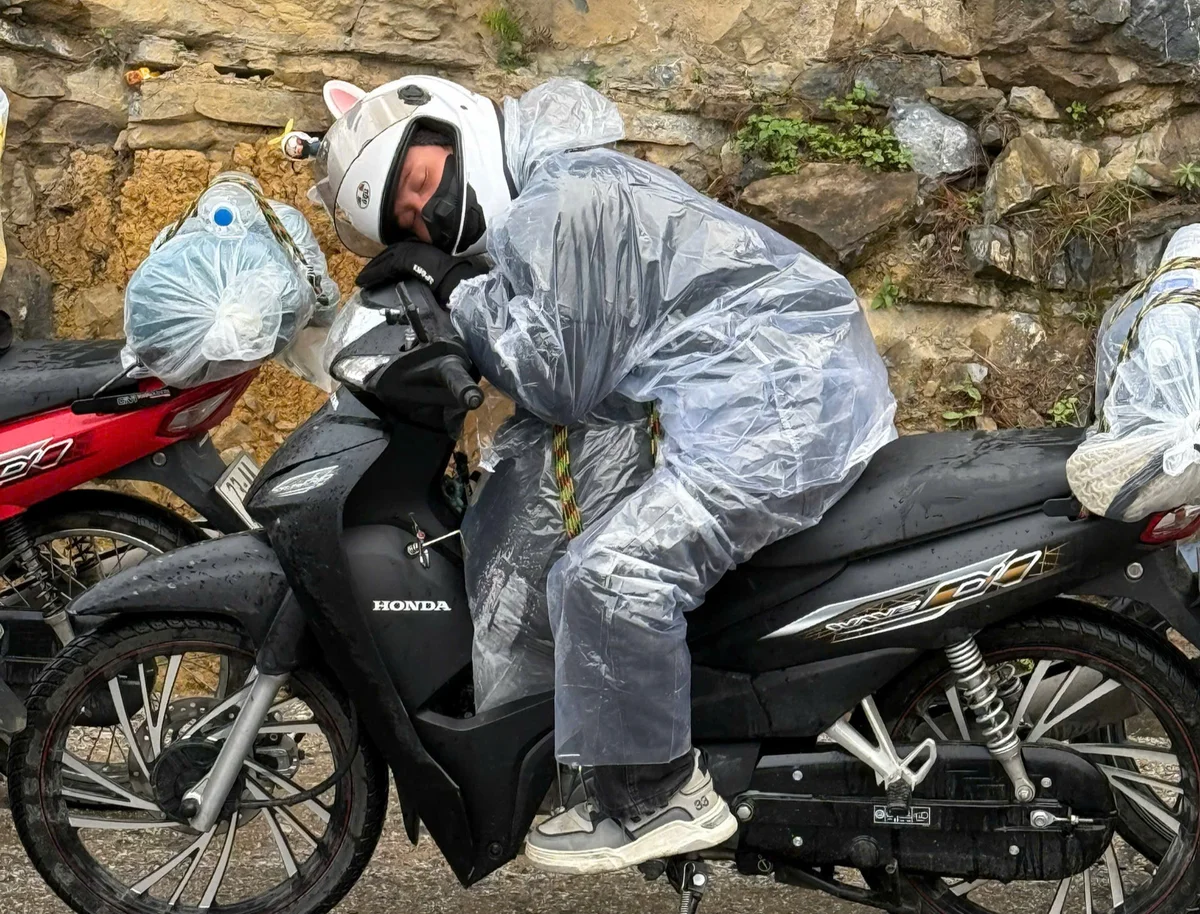
Once rubber meets rain, it's time to adjust your pace, posture, and precision. Wet roads demand finesse—here’s how to stay safe.
1. Slow Your Roll
Wet surfaces are traction thieves. Drop your usual speed by 10–15 km/h to give your tires more grip and yourself more time to react.
2. Extend the Gap
Double your following distance to at least four seconds.
On Ha Giang’s twisting climbs and sudden village entries, this gives you enough space to react to slow traffic, fallen debris, or erratic animals.
3. Be Smooth, Not Sudden
Throttle, brakes, even body movements—everything should feel like slow jazz, not punk rock. Squeeze, don’t stab the brakes. Roll on the throttle gently.
Smooth inputs help your tires stay connected to the slick tarmac.
4. Corner with Control
Cut your lean angle by about 30% compared to dry rides.
Stay more upright in turns so your tire tread has maximum contact with the road, pushing water aside and keeping traction tight.
5. Follow the Dry Line
Seek out the shallow, shiny car tracks. These "dry lines" have already shed most surface water and offer the best grip.
They can guide you safely through everything from muddy switchbacks to concrete straights.
6. Slick Gravel Cornering After Rain
Approaching a sharp left-hander just past a village drainage patch, skip your usual wide entry.
Instead, tuck into the inner line where car tires have already pushed water and debris aside.
Lightly feather the rear brake to settle your weight before you gently roll on the throttle—only once your shoulders and hips are squared and upright.
7. Standing Water on High-Speed Straights
On the long stretches between Quan Ba and Yen Minh, water collects in the center of the lane. Maintain a steady 60 km/h to generate downward pressure and avoid hydroplaning.
If water is reaching your footpegs or halfway up the engine casing, slow down and consider rerouting.
8. Descending in a Downpour
Coming off the Northern Loop’s steep slopes, engine braking is your best friend.
Shift into a lower gear before the descent and avoid relying on the front brake alone.
Use gentle alternating taps between rear and front brakes.
Keep your elbows loose—if the rear slides, your arms will act as shock absorbers rather than panic levers.
How to Recover on the Go
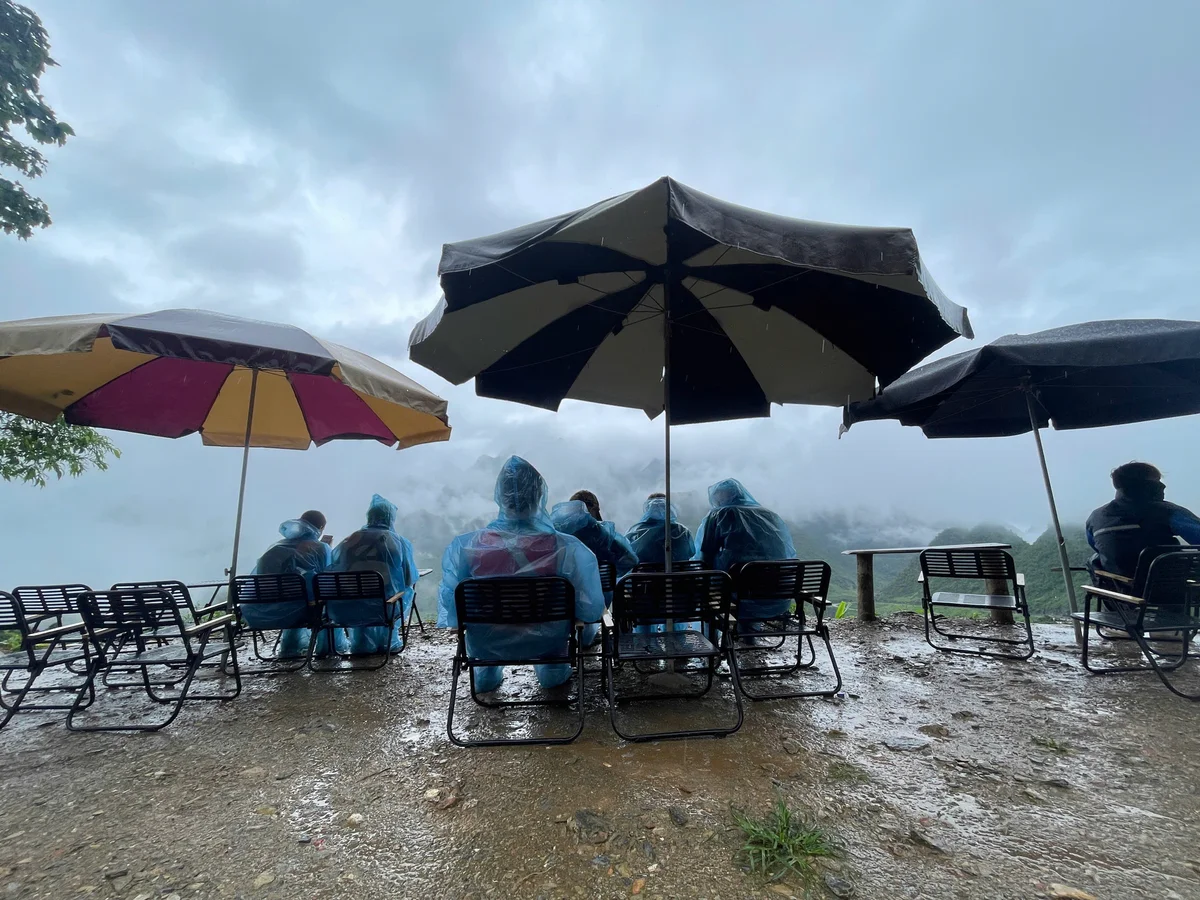
Even with perfect prep and the right techniques, rain has a mind of its own. When things go sideways, these protocols apply:
1. Loss of Traction
If a skid starts, don’t grab brakes or twist the throttle. Ease off both, point the bike in your intended path, and let it settle before reapplying throttle.
2. Dropped Bike in Mud
If you’re pinned at the loop stand, dig out mud from under the peg with a flat spanner, wedge your shoulder under the handlebars, and use leg drive with minimal risk of slipping.
3. Seized Chain from Water Intrusion
Stop, douse a rag with chain solvent, and manually rotate the wheel to break initial stiction. Then apply fresh lube.
4. Sudden Visibility Loss (Deluge)
Pull under the nearest awning or stilt house. Rest shield down, visor open 1 cm to allow airflow, and wipe tachometer fog with a microfiber towel.
5. Hydroplaning
When water lifts your tires off the road, grip vanishes. Hold a steady throttle and resist steering inputs until traction returns.
6. Lightning Safety
Rooftops and power lines are magnets for lightning. If you hear distant thunder, find a sturdy structure, dismount, and keep your helmet on until the storm passes.

Remaining Calm While You Ride the Ha Giang Loop
Rain amplifies every mistake. Training your mental game is as important as tuning your brakes:
Micro‑Goals: Focus on one corner or one kilometer at a time to prevent overwhelm. Celebrate each successful wet‑weather sector.
Controlled Breathing: When you sense panic, inhale through the nose for four counts, hold two, exhale six. This balances your heart rate and sharpens decision‑making.
Scenario Planning: Before each day’s ride, envision the worst-case (mudslides, stalled bike) and rehearse your response—so you react automatically under stress.
And if you don’t feel safe, pull over! But always switch on hazard flashers when parked roadside and stand behind barriers when available.
FAQs: How to Ride Ha Giang Loop in the Rain
Q. Is it safe to ride the Ha Giang Loop in the rain?
A. Yes, if you're cautious and well-prepared. Many riders do the loop in the rainy season. Just ride slower, be more alert, and wear proper gear.
Q. What gear do I need for rainy weather riding?
A. Waterproof outerwear, reflective vests, dry bags, anti-fog visors, and thermal layers. Don’t forget a rain cover for your bag!
Related article: What to Pack for the Ha Giang Loop in Rainy Season: 15+ Must-Haves (June to Sept).
Q. Can I ride solo or should I book a guide?
A. If you're new to motorbiking, book an Easy Rider tour from Bong Hostel. Guides are experienced, locals know the roads, and they’ll keep you safe.
Q. What are the biggest risks of motorbiking in the rain?
A. Slippery roads, poor visibility, and landslides. But with common sense and a good guide, you’re golden (even if you're soggy).
Related article: Is the Ha Giang Loop Dangerous for First-Time Riders?
Other Options: The Easy Rider Experience
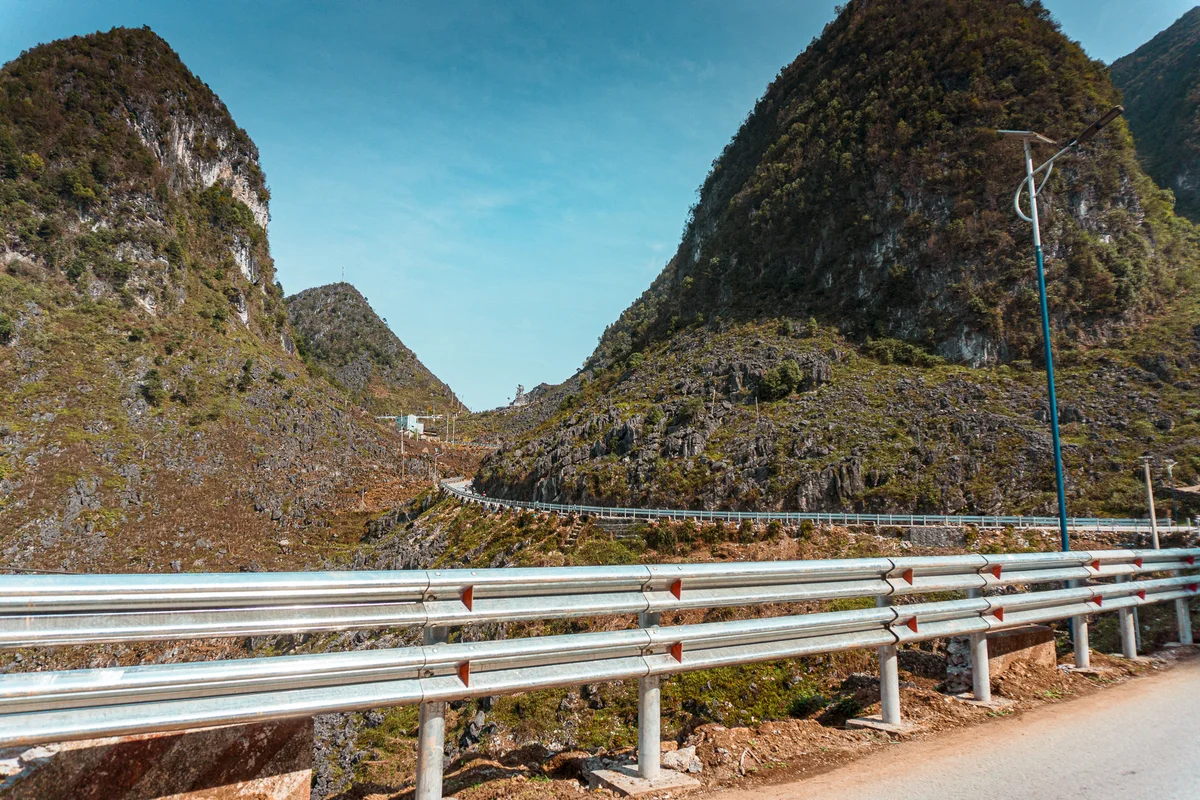
If the idea of navigating rain-slick corners, gravel patches, or steep descents makes your stomach flip, don’t stress—you can always book an Easy Rider tour instead.
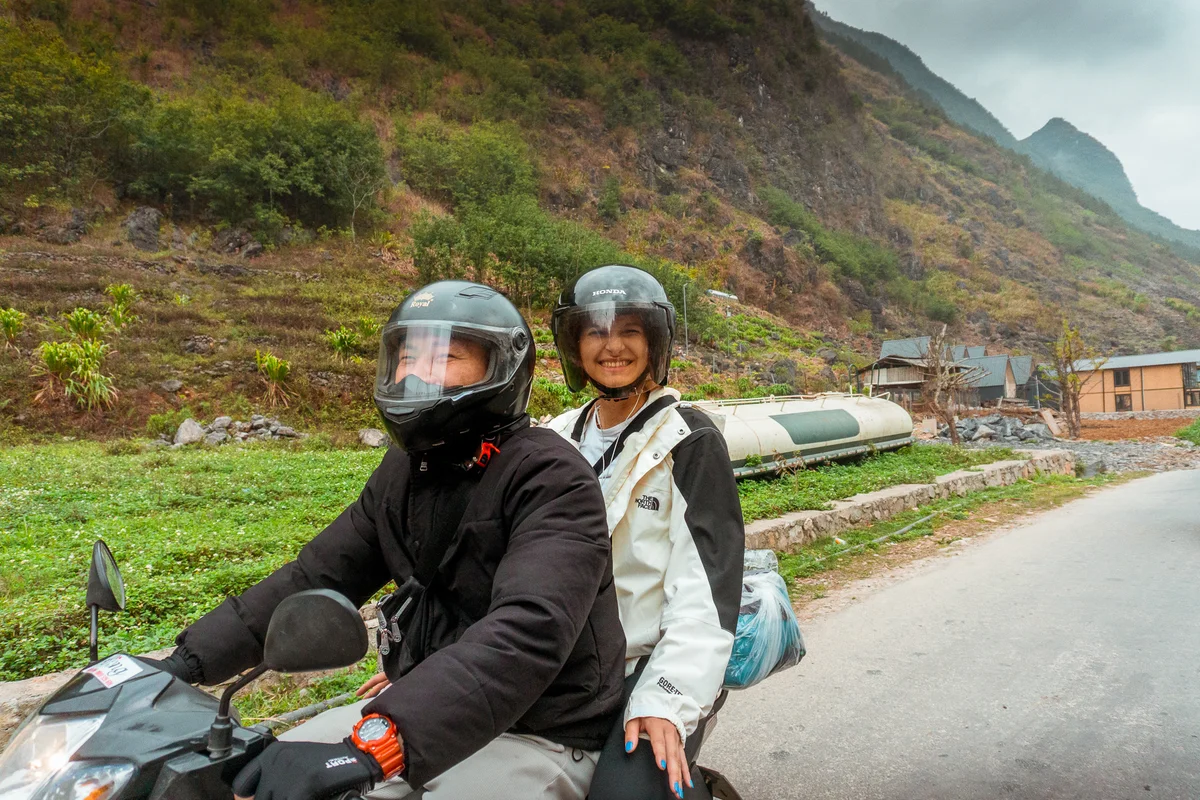
These experienced local motorbike guides do the riding for you, so you can sit back and soak up the scenery without the pressure of handling tough road conditions yourself.
Related article: Why You Should Get an Easy Rider for the Ha Giang Loop.
Why Ride in the Rain with Bong Hostel?
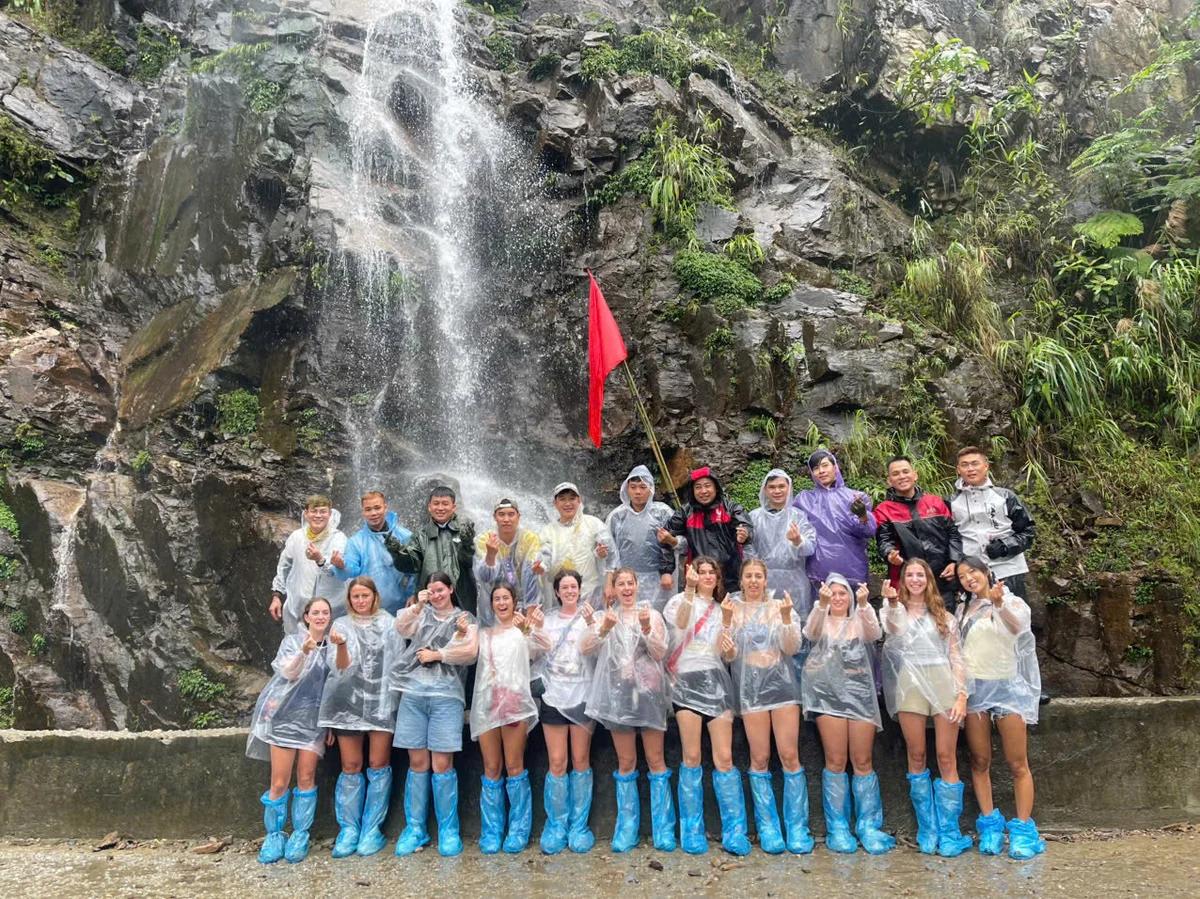
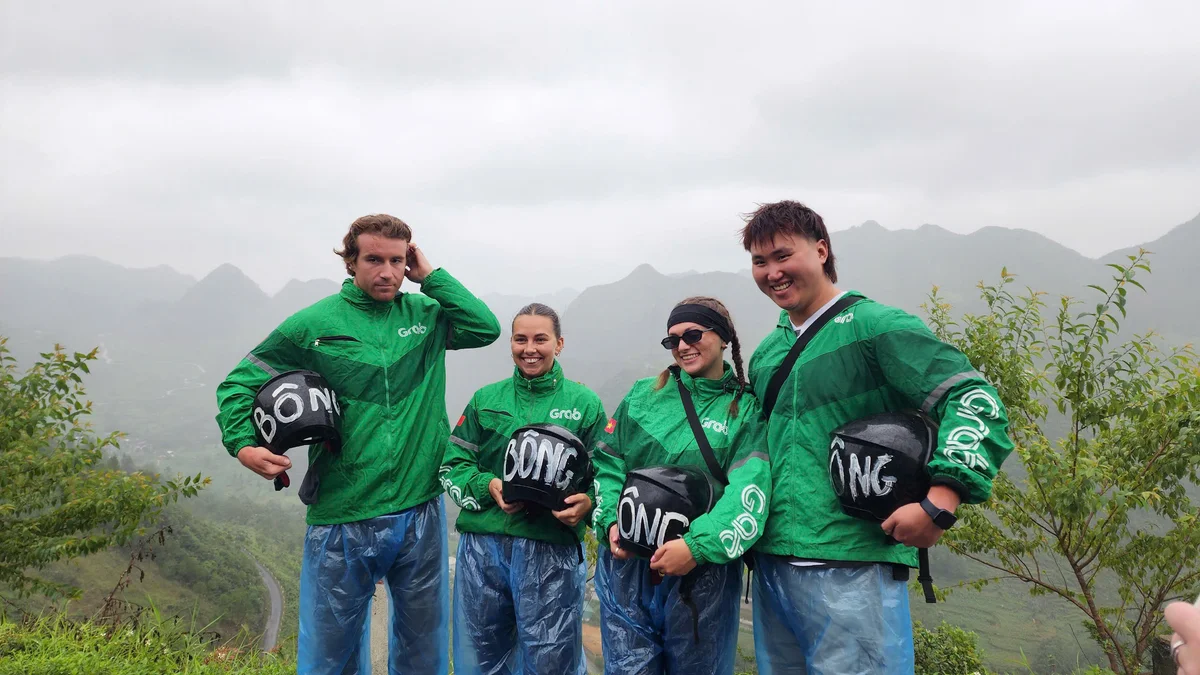
When the skies open up, Bong Hostel’s got you covered (literally). With group tours, free rain gear, flexible routes, and a solid safety briefing, you can relax and enjoy the ride—rain or shine.
About Faye Hilling
Travel writer and Vietnam explorer sharing authentic experiences and insider tips for discovering the beauty of Vietnam.